An easy guide to keep your produce and prepped veggies fresh for as long as possible
Easy tips on how to keep chopped vegetables fresh so you can meal plan like a boss! Plus practical advice for preserving produce longer and freezing options to get the best value from your groceries.
Note: this post previously included product recommendations. I only suggest tools I find useful and trustworthy.

I don’t know what your household is like before dinner, but mine often feels a little chaotic. Kids get tired and hungry, moods change fast, and that pre-dinner window becomes a scramble. Prepping ahead can help, but it’s confusing when different produce needs different storage to stay crisp and tasty.
Food prep around that time can be stressful, but having vegetables ready makes dinner possible even on the roughest evenings.
My three-year-old, for example, can get seriously hangry. Snacks help for a few minutes, but a prepared dinner makes the real difference.
I’m tired, too. No matter how the day went, the late-afternoon slump is real. That’s why small strategies that keep prepped produce fresh are such a relief.
Prepping food in advance can definitely relieve the stress of the time before dinner.
I try to chop and prep as much fresh produce as possible earlier in the day or earlier in the week. Because different produce lasts different lengths of time, knowing the best storage method makes meal planning realistic and practical.
Keeping prepped veggies fresh is doable with a few simple habits. I want my vegetables to remain crisp and flavorful—not just convenient.
Tips to make fresh produce last longer
I’ve tested many methods to see what truly extends the life of fresh produce. Below are practical, tested techniques that work for common vegetables and herbs. Use these to reduce waste, save money, and make weeknight meals easier.
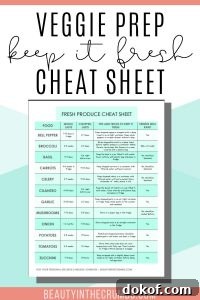
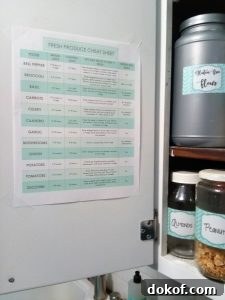
There’s also a condensed cheat sheet that’s handy to tape to your cupboard or fridge as a quick reference for how long prepped veggies last and how to store them.
Grab your free fresh produce prep cheat sheet from the Freebies library
Keeping your produce fresh doesn’t have to be a crapshoot.
A small investment of time and a couple of routines will keep prepped produce tasting fresh and make meal prep far less stressful.
Quick Tip: A reusable mesh produce bag or a simple mesh laundry bag can double as a breathable storage option for some produce—economical and effective.
POTATOES: How to keep potatoes fresh after dicing
Potatoes are beloved but they discolor quickly after being cut. Here’s how to keep them appealing until you cook.
- Place diced potatoes in a bowl of cool filtered water so they are completely submerged; this prevents browning until you’re ready to cook.
- Potatoes last about 24 hours after peeling, so prep them a day ahead at most.
If you leave potatoes whole and store them in a cool, dry place, they can last for months. Russets tend to have the longest shelf life.
CILANTRO & HERBS: How to keep herbs and stem vegetables fresh in a “bouquet”
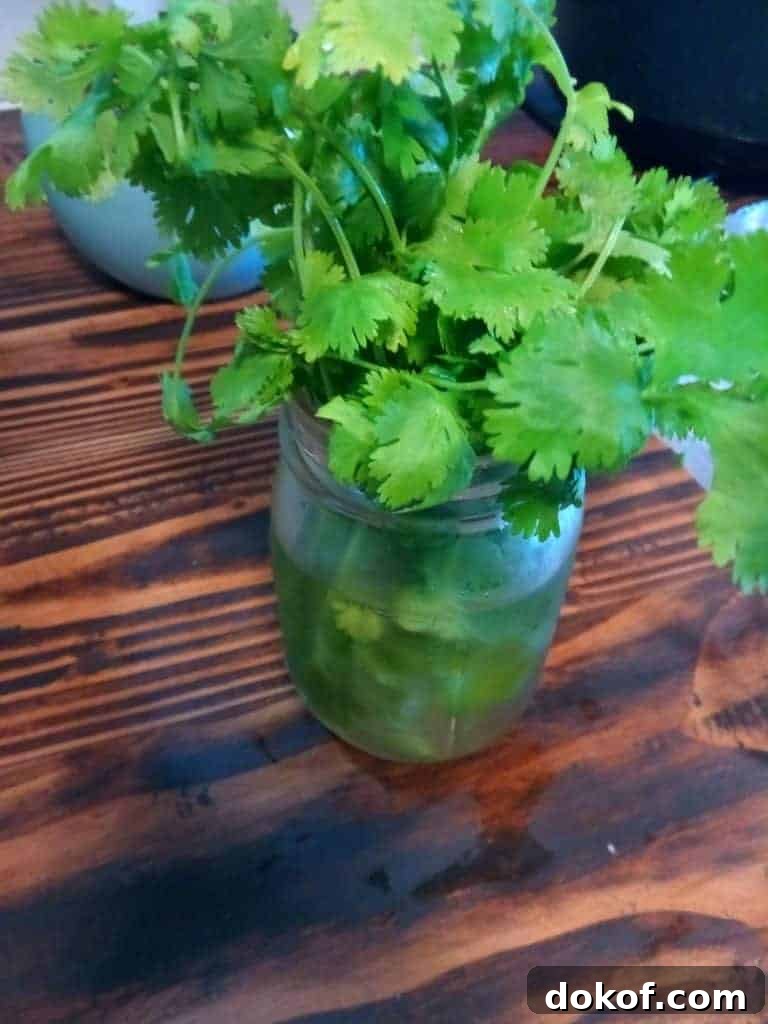
Many herbs and stem vegetables stay fresh much longer when stored upright in a jar of water, like a bouquet, and covered lightly to create a mini greenhouse.
- Do not wash herbs before storing; excess moisture can accelerate decay.
- Trim the stem ends, place the herbs in a jar with cool filtered water filled about three-quarters full, and cover loosely with a plastic bag to keep humidity even.
- Store in the fridge and change the water every couple of days.
Depending on the herb, they can last 7–20 days with this method.
BROCCOLI: How to keep chopped broccoli fresh
- Wrap chopped broccoli in a towel, paper towel, or cloth napkin to absorb excess moisture, then place it in an airtight container.
- Chopped broccoli is best used within 2–3 days.
- Whole florets stored upright with a little water, like herbs, can last 2–3 weeks.
TOMATOES: How to keep tomatoes fresh and not gritty
Tomatoes are excellent in salads but can become gritty if stored incorrectly.
- Keep whole tomatoes on the counter, stem side down, until perfectly ripe. Once ripe, move them to the fridge.
- Whole tomatoes last 2–3 weeks when stored properly.
- After dicing or slicing, store tomatoes in an airtight container; they will keep about 3–5 days.
Condensed reference: Fresh Veggie Cheat Sheet
CARROTS & CELERY: How to keep carrots and celery fresh
Carrots and celery store similarly and both benefit from a water bath after chopping.
- Place diced carrots and celery in a container with filtered water until just covered, and change the water every few days.
- They’ll keep 14–21 days this way.
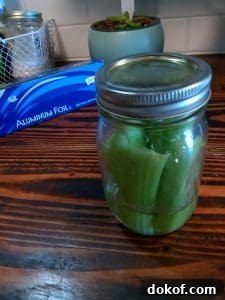
- For a whole bunch of celery, wrapping it in foil and refrigerating can extend its life for weeks.
Carrot and celery sticks for snacks can stand upright in a jar with an inch of water; cover and enjoy within 7–14 days, changing the water periodically.
ONIONS: How to store chopped onions
Chopped onions are a kitchen staple and store well when handled properly.
- Store peeled and diced onions in an airtight container in the fridge; reuse a labeled container if that works for you.
- They’ll last 7–10 days when refrigerated.
You can also freeze raw diced onions in small portions and keep them in freezer-safe containers to pull out for cooking later; frozen onions are best used cooked rather than raw.
GARLIC: How to keep garlic fresh
- Chopped garlic lasts 2–3 days in the fridge—use it quickly.
- Unpeeled garlic can sit on the counter for 10–25 days; move to the fridge halfway through that period if needed.
- Peeled cloves last about 5–7 days refrigerated.
You can freeze peeled garlic cloves individually on a tray, then transfer them to a container; they will keep up to a year and thaw quickly for cooking.
ZUCCHINI & SQUASH: How to prevent slimy squash
Soft summer squashes like zucchini are prone to becoming slimy if stored with excess moisture.
- After chopping or spiraling, wrap slices in a slightly damp towel and refrigerate.
- Chopped zucchini and summer squash last about 24 hours, so plan to use them quickly.
- Whole squash kept in a breathable bag in the fridge lasts about 7–8 days—avoid moisture buildup.
Raw sliced squash freezes well when flash-frozen on a tray then transferred to freezer bags; it’s convenient for quick sautés or omelets without thawing.
Freezer container note: Durable reusable plastic containers are a practical choice for frozen chopped vegetables—dishwasher-safe and reusable, they help reduce waste while protecting food.
BELL PEPPERS: How to keep bell peppers fresh and crunchy
Bell peppers stay crunchy with a little humidity control.
- Store diced or sliced bell peppers in an airtight container with a damp towel; they will keep 2–4 days.
- Whole peppers belong in the crisper drawer in a breathable bag and last 7–14 days.
Chopped bell peppers also freeze well in a single layer then transferred to freezer bags—great for fajitas and breakfast burritos, and they keep up to a year.
Grab the Fresh Veggie Cheat Sheet from the Freebie Library for a quick printable reference of these common vegetables and their storage tips.
What other vegetables do you want hacks for? Which herbs or veggies seem to spoil too fast for you? Share your storage tips and freezing successes to help others save time and reduce waste.