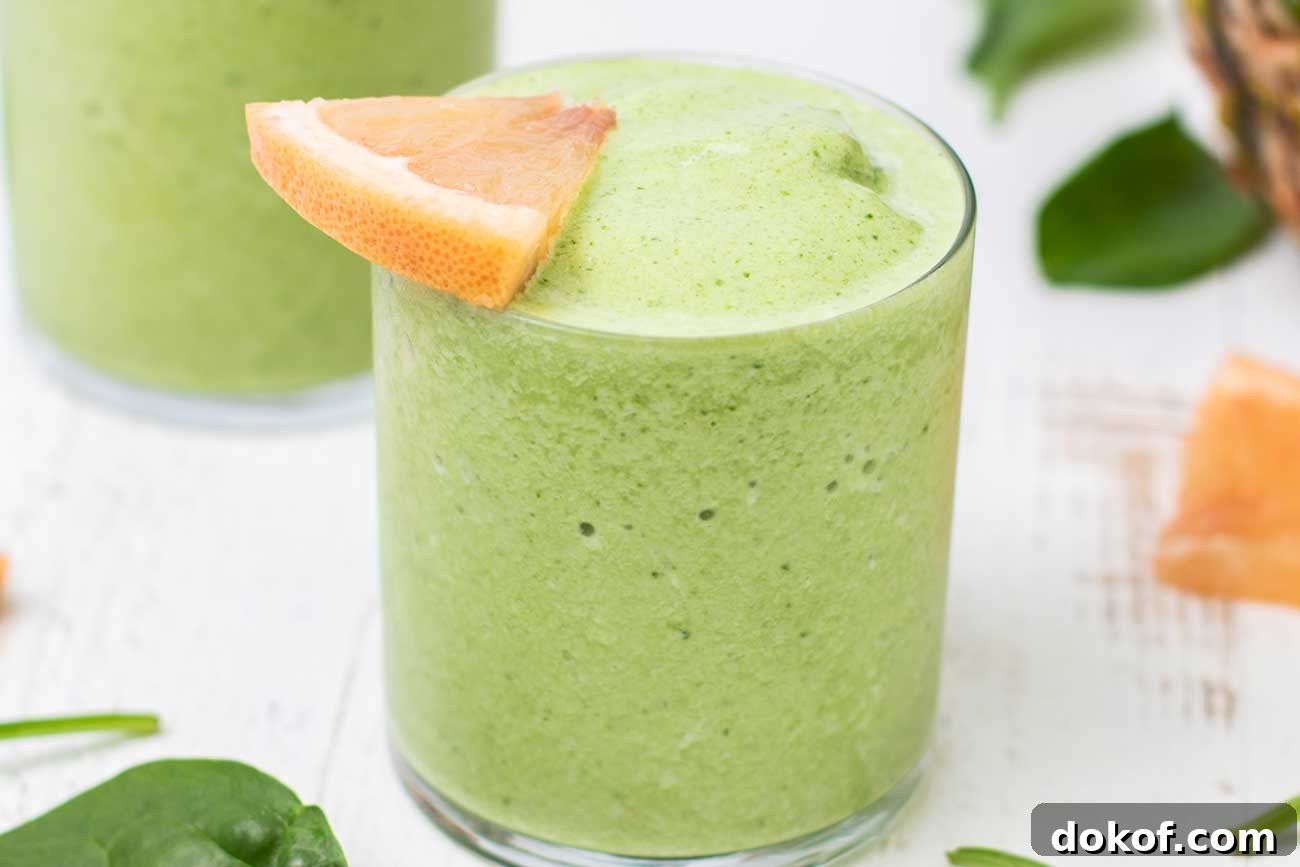
A metabolism-boosting smoothie filled with ingredients shown to support a healthy metabolism. Many smoothies pack extra sugar from fruit juice, too much fruit, or added sweeteners; this recipe focuses on whole-food ingredients to create one of the better smoothies for weight loss while still tasting great.
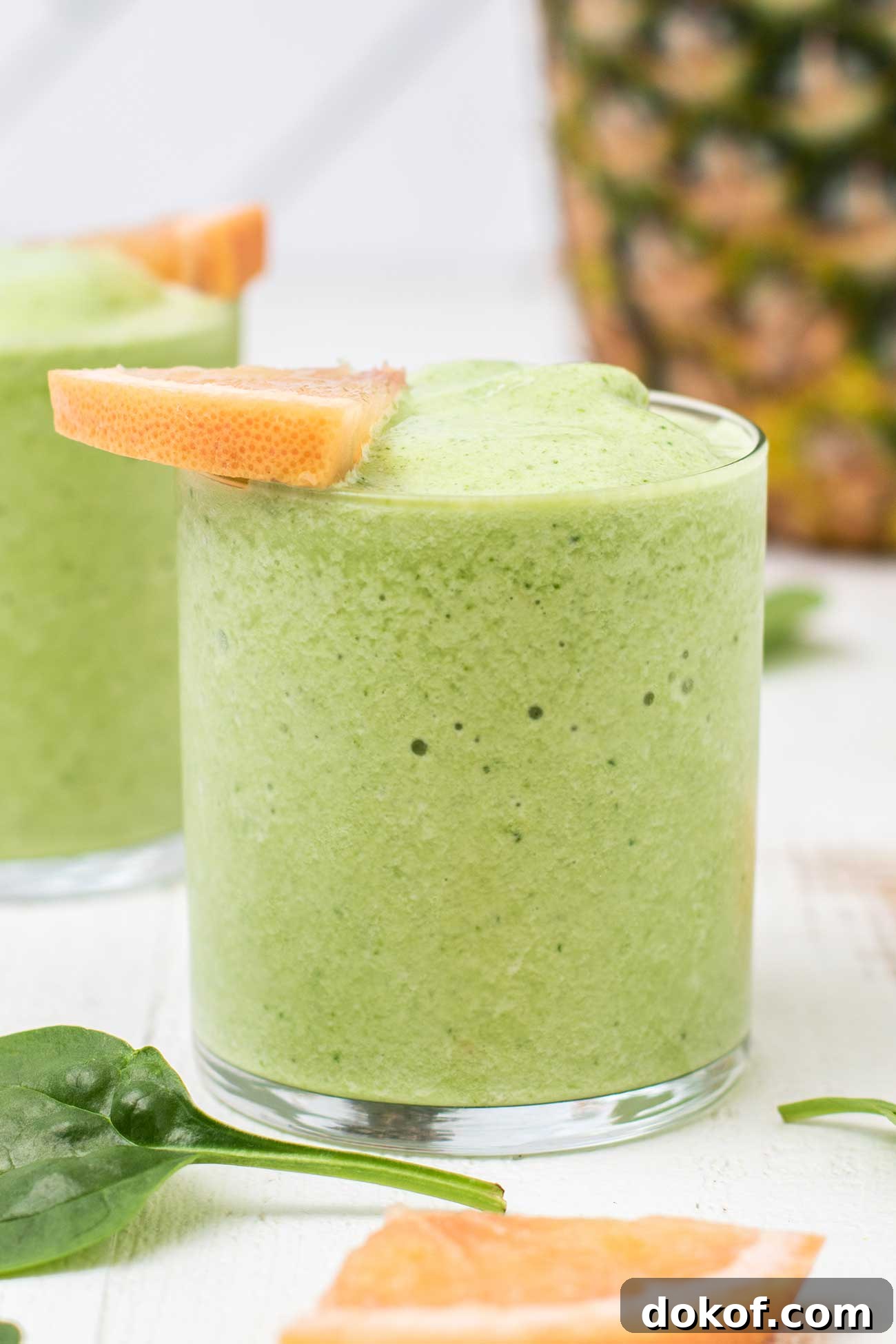
Table of contents
- Metabolism Boosting Ingredients
- What You’ll Need
- Grapefruit
- Pineapple
- Green Bananas
- Whey Protein
- Spinach
- Green Tea
- How to Make a Fat Burning Smoothie
- Tips for a Metabolism Boosting Breakfast Smoothie
- Additional Metabolism-Boosting Ingredients
- Other Fat Burning Smoothie Recipes:
- Sources
Metabolism Boosting Ingredients
Many of us want a faster, healthier metabolism. Knowing which foods support fat oxidation and metabolic health helps you make smarter choices. Highly processed foods, added sugars, and hydrogenated oils tend to impair metabolic function because they lack nutrients and can promote inflammation. By contrast, whole foods supply the vitamins, fiber, and healthy fats your body needs to function efficiently.
This smoothie brings together several whole-food ingredients that support metabolism, hydration, and satiety. It’s designed to be nutrient-dense, provide steady energy, and serve as a satisfying meal replacement or a hearty supplement to a balanced breakfast.
To build a filling smoothie, aim to balance protein and healthy fats with fiber-rich carbohydrates. Protein increases satiety and requires more energy to digest than carbs or fat, while healthy fats help keep you full and provide essential nutrients. This recipe uses coconut milk for fat, whey protein or a plant alternative for protein, and fruit and greens for fiber, vitamins, and minerals.
What You’ll Need
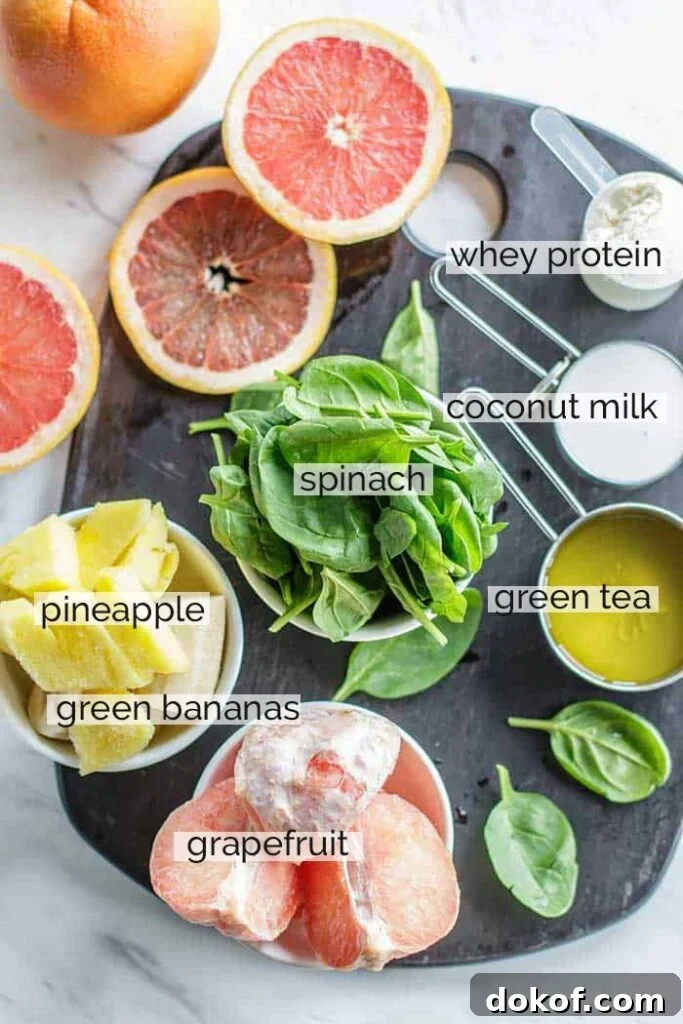
Grapefruit
Some studies indicate grapefruit can support modest weight loss when added to the diet; eating the whole fruit provides more fiber and satiety than juice. This recipe uses whole grapefruit (peeled and frozen) to preserve fiber and lower the glycemic impact compared with juice alone.
Pineapple
Pineapple is rich in vitamin C, which plays a role in fat oxidation and overall metabolic function. Including vitamin C–rich fruit helps support energy and recovery. One cup of pineapple provides a substantial portion of daily vitamin C needs; combining it with other ingredients in this smoothie increases that benefit.
Green Bananas
Using slightly green (unripe) bananas preserves resistant starch, a fermentable fiber that feeds beneficial gut bacteria and slows sugar release. Resistant starch can reduce the net calories your body extracts and supports gut health and mineral absorption. Freeze green bananas for smoothies to keep the texture thick while limiting added sweetness.
Whey Protein
Protein adds fullness and helps preserve lean mass during weight loss. Whey protein isolate is a common choice because it delivers concentrated protein with minimal carbs and fats, but any high-quality protein powder or natural protein sources (Greek yogurt, hemp, chia) work. For a meal-replacement smoothie, increase the protein to around 30 grams per serving.
Spinach
Leafy greens like spinach are nutrient-dense and blend smoothly into green smoothies. Spinach supplies iron, calcium, and additional plant protein per calorie, making it an efficient way to boost vitamins and minerals without excess calories. Frozen spinach is convenient and keeps the smoothie cold.
Green Tea
Green tea contains caffeine and polyphenols (notably catechins) that can increase fat oxidation and promote satiety. Strong brewed and cooled green tea provides flavor and a metabolic boost without added calories. Use unsweetened green tea as the liquid base or combine it with coconut milk for creaminess.
Greek Yogurt
Full-fat Greek yogurt adds creaminess, protein, and probiotics. It raises the protein content and helps stabilize blood sugar. Use as desired or swap for a dairy-free yogurt if needed.
Coconut Milk
Coconut milk adds healthy medium-chain triglycerides (MCTs) and yields a rich texture. If you prefer a lighter option, use unsweetened almond milk and add a teaspoon of MCT oil for similar benefits.
How to Make the Best Smoothie for Weight Loss
There’s no single magic combination that forces rapid weight loss, but this mix of ingredients supports fullness, hydration, and nutrient intake. Keep green tea, a protein powder you trust, and frozen green bananas on hand to make morning smoothies quick and balanced. Adjust ingredients to taste—if you dislike grapefruit, substitute another low-sugar citrus or omit it entirely.
As written, the recipe provides approximately 12 grams of protein and 5 grams of fiber per serving. To turn it into a meal replacement, increase the protein powder to reach at least 30 grams of protein and add a little extra liquid to maintain blending consistency without raising the fruit content.
How to Make a Fat Burning Smoothie
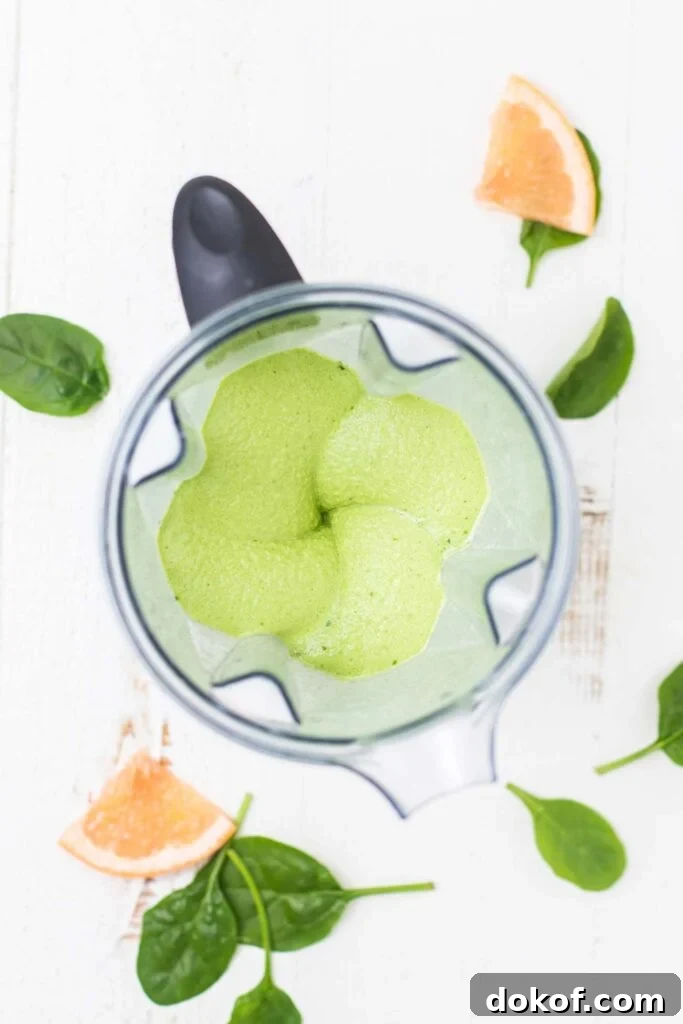
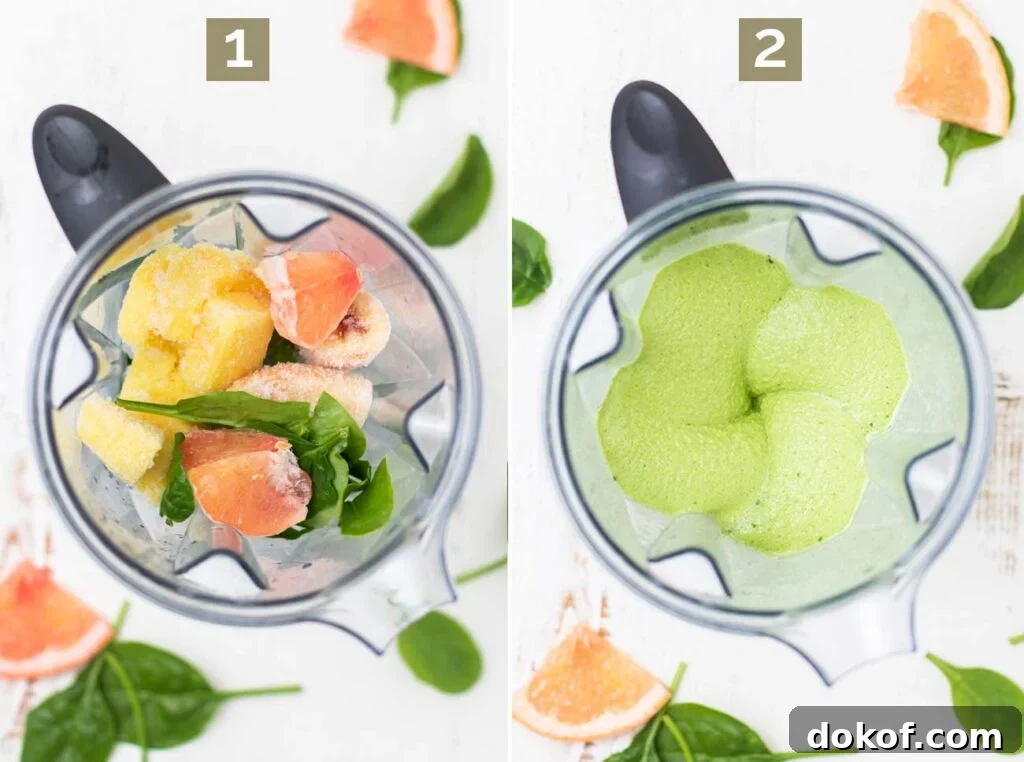
Step 1: Place liquids and greens in the blender first, then add frozen fruit, ice, and protein powder.
Step 2: Blend until smooth and creamy. Add more coconut milk, almond milk, or green tea to reach your desired consistency.
Note: For a single meal-replacement smoothie, use 30 grams of whey protein and increase the liquid by about 1/4 cup.
Tips for a Metabolism Boosting Breakfast Smoothie
- Keep frozen fruit (grapefruit, pineapple, oranges, berries) and frozen greens on hand for quick smoothies.
- Buy bananas slightly green and freeze them to preserve resistant starch and reduce sweetness.
- If you prefer not to use protein powder, boost protein with hemp seeds, chia seeds, or Greek yogurt.
- Coconut water is a light, hydrating alternative to coconut milk or green tea and supplies electrolytes.
Additional Metabolism-Boosting Ingredients
Other options to add into your smoothie rotation:
- MCT oil or coconut oil (healthy fats)
- Almond butter (healthy fats)
- Chia seeds or flax seeds (fiber and omega-3s)
- Cayenne pepper (a small amount can add a mild metabolic effect and flavor)
- Fresh ginger (flavor and anti-inflammatory benefits)
Other Great Fat Loss Smoothie Options:
- Detox Island Greek Smoothie
- Avocolada Smoothie (Tropical Smoothie Remake)
- Acai Smoothie
- Peppermint Detox Smoothie
- Avocado Blueberry Smoothie
I’d love to connect with you on social media! Find me on Facebook or Instagram for daily healthy eating and lifestyle inspiration.
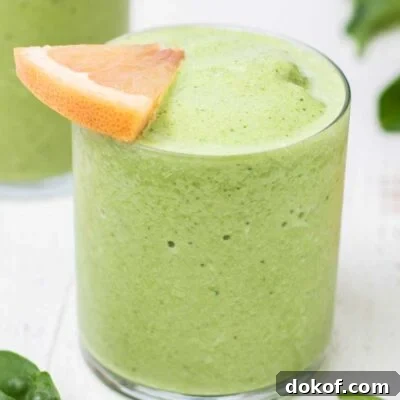
Metabolism Boosting Smoothie
Print
Pin
Rate
Equipment
-
High Speed Blender
Ingredients
- 1/2 cup strongly brewed green tea
- 1/4 cup coconut milk canned, full fat
- 2 cups spinach fresh or frozen
- 1 banana green, peeled and frozen
- 1 grapefruit peeled, frozen
- 1 cup pineapple chopped, frozen
- 4-5 pieces of ice
- 20+ grams whey protein isolate
Instructions
-
Add all ingredients to a blender, starting with liquids and greens, and adding frozen fruit, ice, and protein powder to the top.
-
Blend until ultra creamy. Add extra green tea or water if you prefer a thinner consistency.
-
This recipe makes 2 smoothies to make blending easier. If you want only one, freeze the extra half for another day—thaw a bit before drinking and stir to restore texture.
Video
Notes
Choose clean protein powders: If using protein powder, select one without added sugar or artificial sweeteners. Whey protein isolate is one option; choose a source that fits your dietary preferences.
Green bananas explained: Green bananas are simply unripe bananas and contain more resistant starch. If you prefer less intensity, freeze bananas when they still show a little green and gradually use greener fruit as you adapt.
Make-ahead tip: I often blend two servings and freeze one. Thaw for 30–60 minutes, stir, and enjoy a partially slushy smoothie the next day.
Nutrition
Other Fat Burning Smoothie Recipes:
- Mint Detox Smoothie, by Sunkissed Kitchen
- Blueberry Metabolism Smoothie, by Sunkissed Kitchen
- Healthy Orange Julius Smoothie, by Sunkissed Kitchen
Sources
Selected studies and trusted nutrition resources report on grapefruit effects, the benefits of fruits and vegetables, pineapple nutrition, resistant starch, and practical metabolism tips. Consult primary sources or a registered dietitian for personalized guidance.