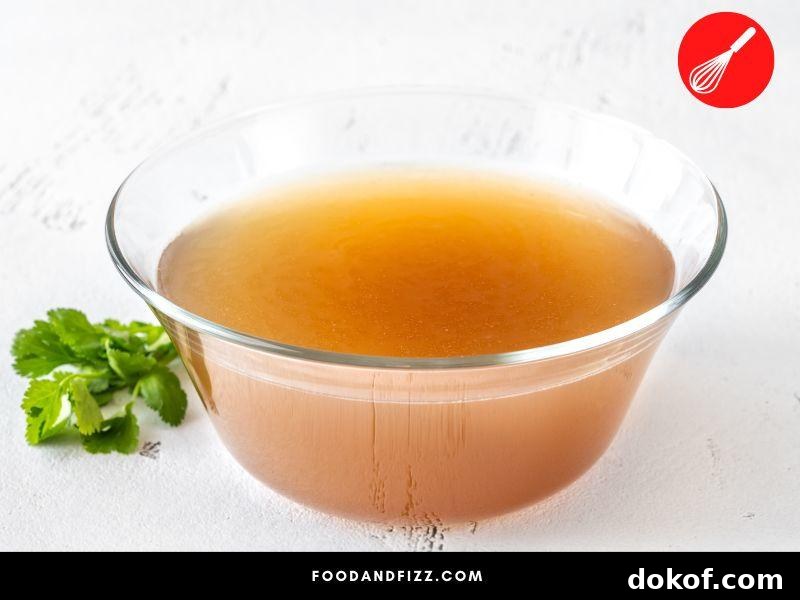
Can You Mix Chicken and Beef Broth? Broth is a versatile kitchen staple used for soups, stews, gravies, and poaching. It comes in cartons, cans, or dehydrated cubes, and cooks often have a preferred format. Whether you reach for liquid broth or bouillon cubes, the three most common flavors are chicken, beef, and vegetable.
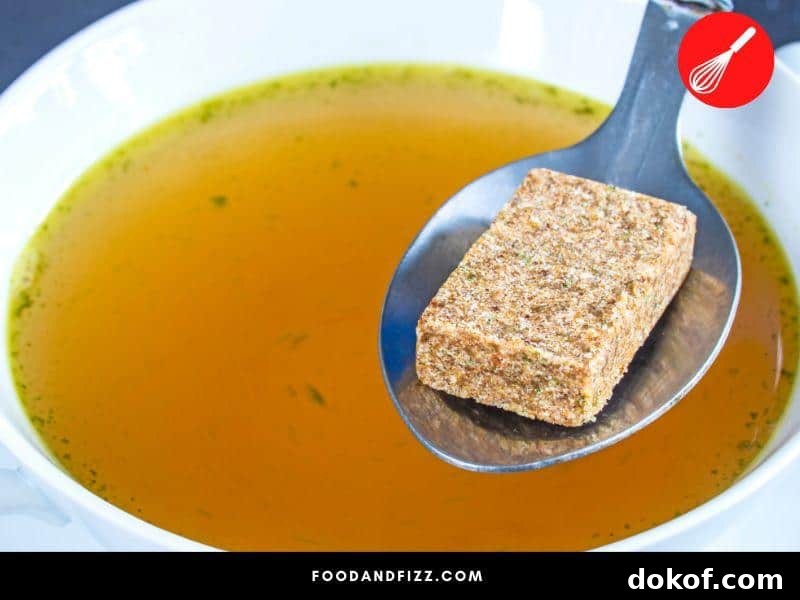
Bouillon cubes are dehydrated broth that keeps a long time, though prolonged storage can affect texture and color. Carton and canned broths are convenient and commonly sold in 32-ounce sizes, while smaller cans can be 8 ounces for recipes that call for less. Unopened packaged broth is shelf-stable, but it should be refrigerated after opening.
Home cooks frequently combine different broths when a specific type is low or unavailable. The most common pairing is chicken and beef broth, which are both widely used and often interchangeably available in home pantries. Mixing them is generally fine for most everyday cooking, though some recipes call for a single clear or specific-flavored broth to preserve a particular result.
Table of Contents
Can You Mix Chicken and Beef Broth?
Yes — you can mix chicken and beef broth. For common uses like soups and stews, combining them simply alters the flavor profile rather than ruining the dish. For delicate preparations such as certain consommés, clarified broths, or specific regional recipes, you may need to stick to a single type to preserve clarity and traditional taste.

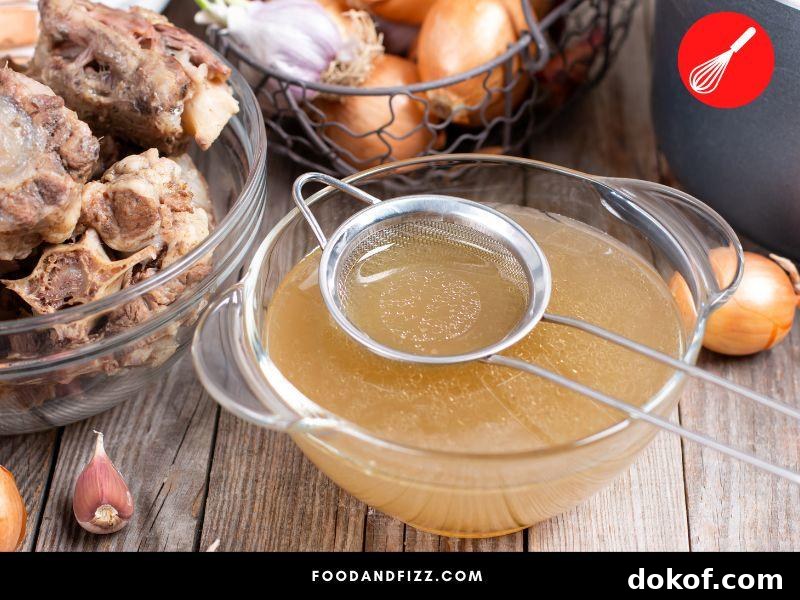
Broth is made by simmering animal bones and other parts, then straining out solids. In some countries the terms broth and bouillon are used differently, while in others they are interchangeable. Liquid broths are usually seasoned and ready to use, whereas bouillon cubes are concentrated and require dissolving in water.
Chicken broth tends to be lighter and more delicate, while beef broth delivers a deeper, heartier flavor. Mixing them gives you flexibility: you can soften a strong beef taste with chicken broth or add more body to a light chicken base. However, some dishes—such as certain primavera sauces, veal reductions, or Asian recipes that call for fish or duck broth—benefit from a single, specific stock to maintain a classic flavor or a clarified appearance.
In restaurants, chefs may avoid mixing broths to maintain a consistent signature flavor, but home cooks are often more flexible. Use your taste as a guide: add a little beef broth to deepen flavor, or more chicken broth to keep things light and subtle.
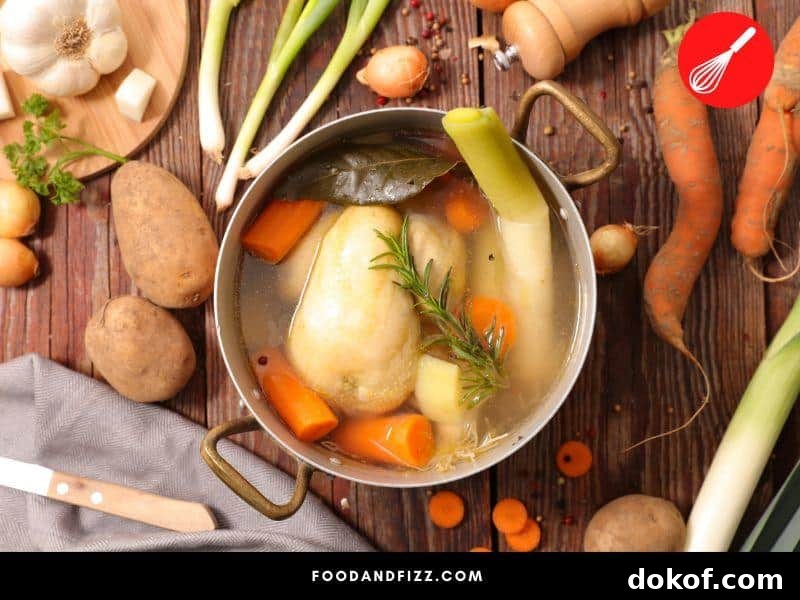
5 Reasons Why You Might Mix Chicken and Beef Broth
1. You Have Run Out of Either Beef or Chicken Broth
Running short on one type is common, and mixing available broths is a practical solution. For everyday family meals, small substitutions or blends usually go unnoticed.
2. You Want to Add Lightness or Depth
Combine broths to fine-tune flavor: add chicken broth to lighten a dish or beef broth to add richness. Vegetable broth can also be blended to mellow flavors and accommodate vegetarian preferences.
3. You May Want to Cut Back on Salt
Low- or no-sodium versions are easier to find for some flavors than others. Mixing a no-salt chicken broth with a regular beef broth can reduce overall sodium while maintaining acceptable taste. Always check labels for sodium content, especially with canned and bouillon products, which can be high in salt.
4. You Might Want to Cut Back on Calories
Broth is mostly water, but calorie and fat content can vary by base. Beef-based broths often contain more calories than chicken or vegetable broths. Blending can help manage calories while preserving flavor.
5. You are Serving People with Different Tastes
When feeding a mixed crowd, combining chicken and beef broth in equal parts can satisfy both preferences without preparing separate pots.
Conclusion
There are no strict rules against mixing broths. Stocks and broths share similar preparation methods, and homemade broth gives you control over flavor, sodium, and calories. For most home cooking, mixing chicken and beef broth is perfectly acceptable and often useful. For recipes that demand a specific or clarified broth, follow the traditional instruction to preserve the intended texture and taste.

Frequently Asked Questions
Can I Make My Own Broth?
Yes. Homemade broth is made by simmering bones or vegetables and straining the liquid. Making broth at home lets you control fat, salt, and flavor, and many cooks prefer it over store-bought options.
Is There a Difference Between Broth and Stock?
The difference is subtle: stock is typically simmered longer and may be richer and less seasoned, while broth is often lighter and seasoned. In practice the terms are frequently used interchangeably, and simmering time and ingredients determine the final character.
Are Overnight Simmerings Used to Make Broth?
Some cooks simmer broths on low heat for many hours or even overnight to extract maximum flavor. This can be done safely with attention, but be cautious to prevent evaporation and avoid leaving pots unattended for long periods.