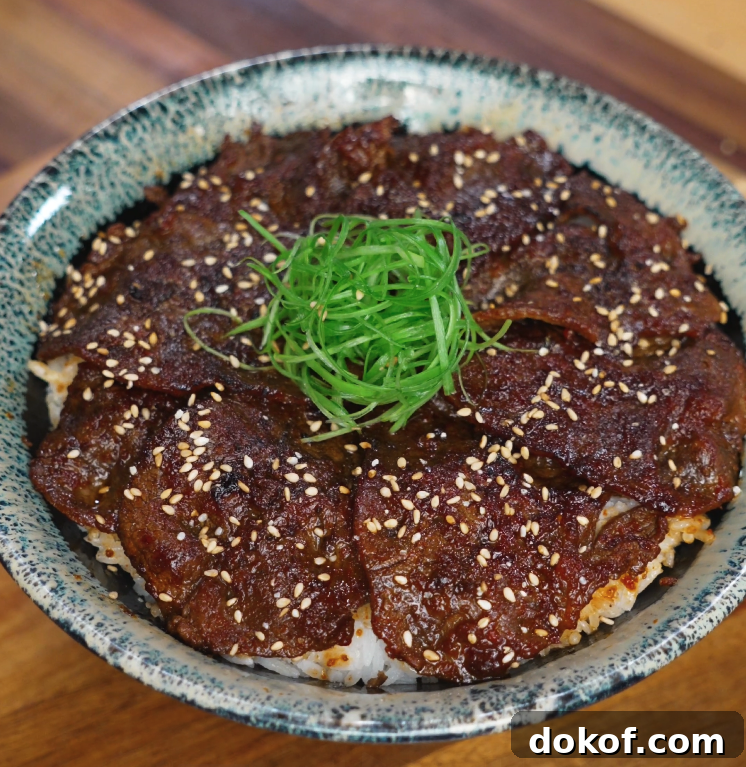
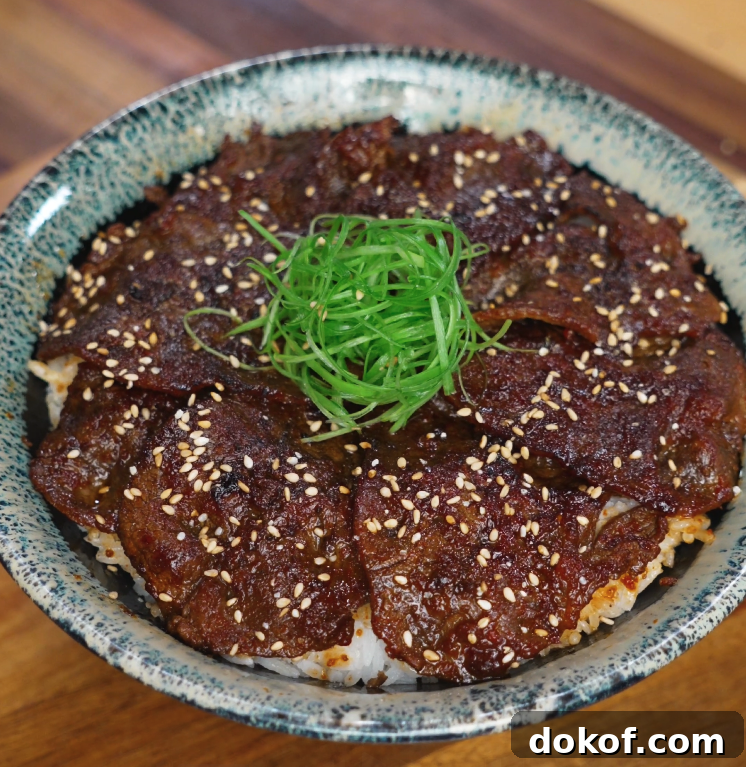
Spicy Korean Beef
Equipment
-
Frying pan or skillet
Ingredients
- 8 oz thinly sliced beef (ribeye or chuck)
- 2 tbsp soy sauce
- 1 tsp sesame oil
- 2 tsp sugar
- 2 cloves garlic, minced
- ½ tsp grated ginger
- ½ tsp Korean chili flakes (gochugaru), optional
- 1-2 tbsp gochujang
- Optional garnish: scallions, sesame seeds
Instructions
-
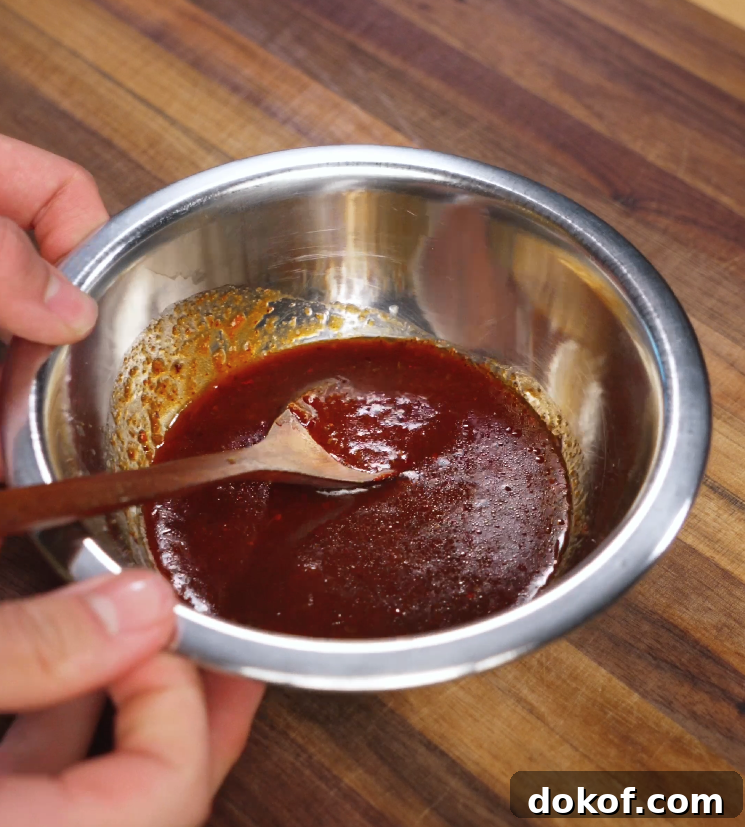
Whisk together soy sauce, sesame oil, sugar, minced garlic, grated ginger, gochugaru (if using), and gochujang in a bowl until smooth.
-
Heat a little oil in a skillet over medium-high. Quickly sear the thin beef slices about 30 seconds per side until lightly browned; remove and set aside.
-
Pour the prepared sauce into the same pan and bring it to a gentle simmer so flavors meld and the sauce warms through.
-
Return the beef to the pan and cook 1–2 minutes per side, coating the meat with the glossy sauce until heated through.
-
Serve over steamed rice, noodles, or in lettuce wraps. Garnish with sliced scallions and toasted sesame seeds. For extra char, briefly torch the top or cook under a broiler for a moment.
Video
Notes
Nutrition
Nutrition information is automatically calculated and should be used as an approximation.
Bold, Spicy, and Ready in Minutes
This Spicy Korean Beef Bowl delivers big flavor with minimal effort. Thin-sliced beef is quickly seared to lock in juices, then coated in a glossy gochujang-based sauce that’s spicy, savory, and slightly sweet. It feels like takeout but comes together in under 15 minutes—ideal for busy weeknights.
The Secret’s in the Sauce
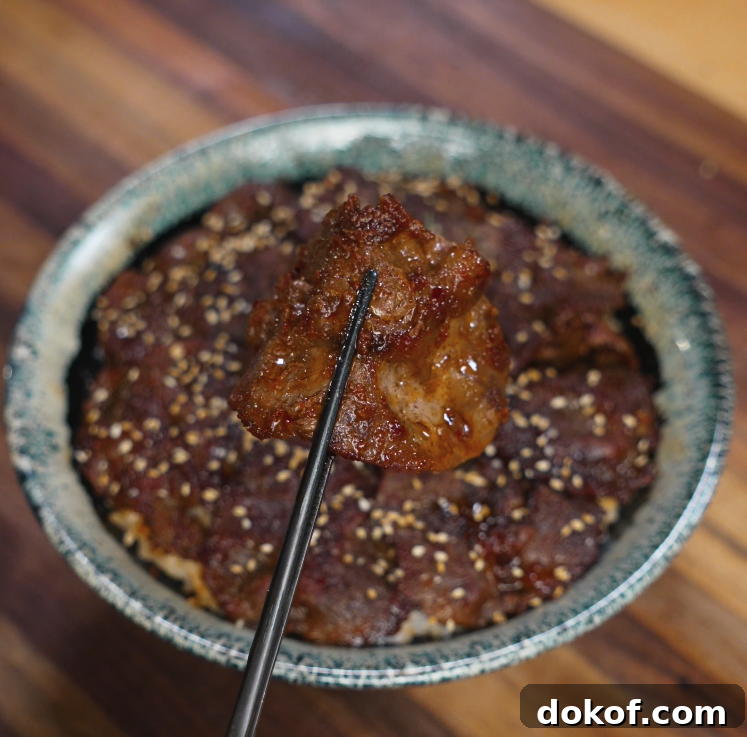
The sauce is the star: gochujang provides rich fermented heat, soy sauce brings saltiness, sugar balances with sweetness, and sesame oil adds a nutty aroma. Garlic and ginger contribute warmth, while gochugaru can add extra heat and depth. When the beef returns to the pan, it soaks up the sauce and becomes tender and glossy.
Spicy Korean Beef Ingredients
Main Ingredients
- 8 oz thinly sliced beef (ribeye or chuck)
- 2 tbsp soy sauce
- 1 tsp sesame oil
- 2 tsp sugar
- 2 cloves garlic, minced
- ½ tsp grated ginger
- ½ tsp Korean chili flakes (gochugaru), optional
- 1–2 tbsp gochujang
- Optional garnish: scallions, sesame seeds
How To Make Spicy Korean Beef
Whisk soy sauce, sesame oil, sugar, garlic, ginger, gochugaru (if using), and gochujang until smooth.
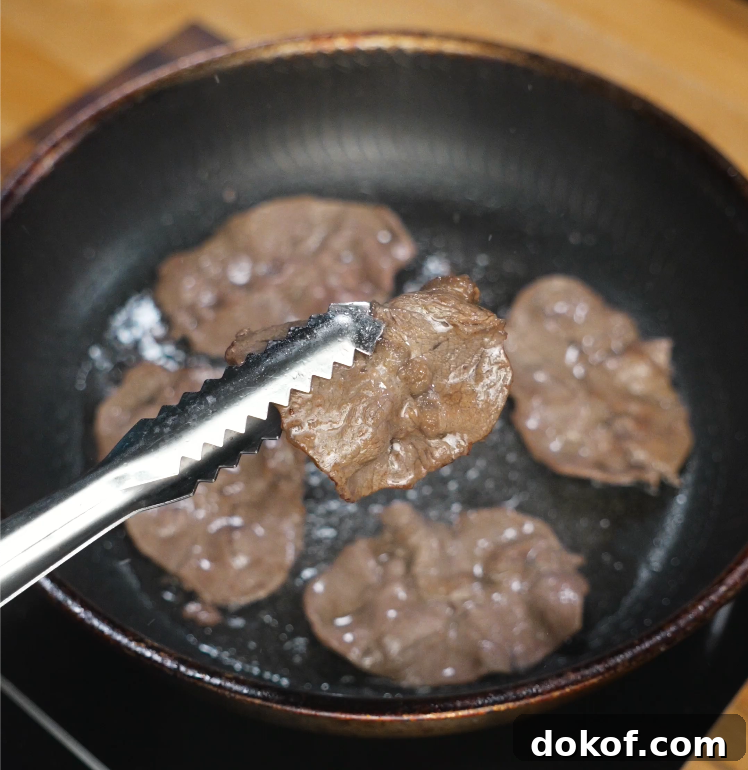
Heat a little oil in a pan over medium-high. Sear beef slices 30 seconds per side until lightly browned, then remove and set aside.
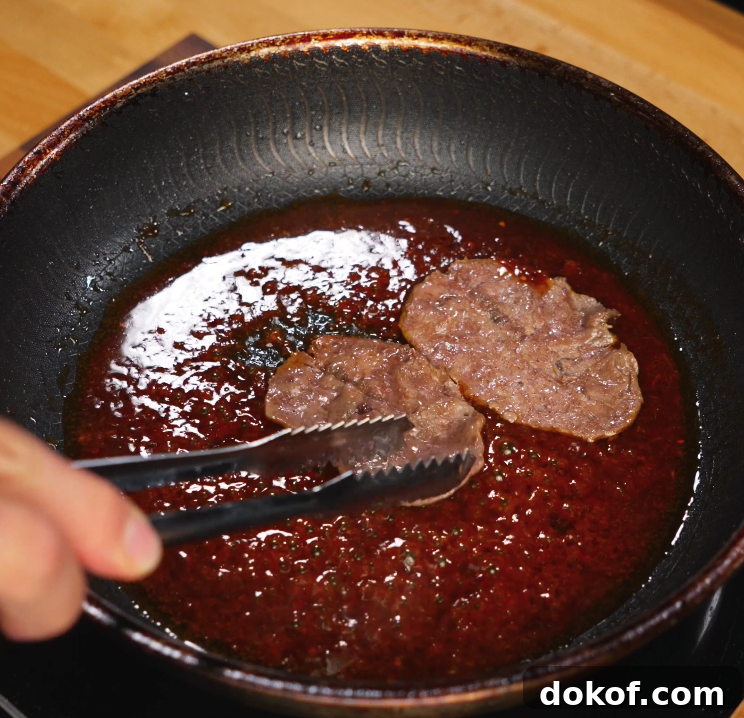
Pour the sauce into the same pan and bring to a simmer. Return the beef and cook 1–2 minutes per side, letting the sauce cling to the meat.
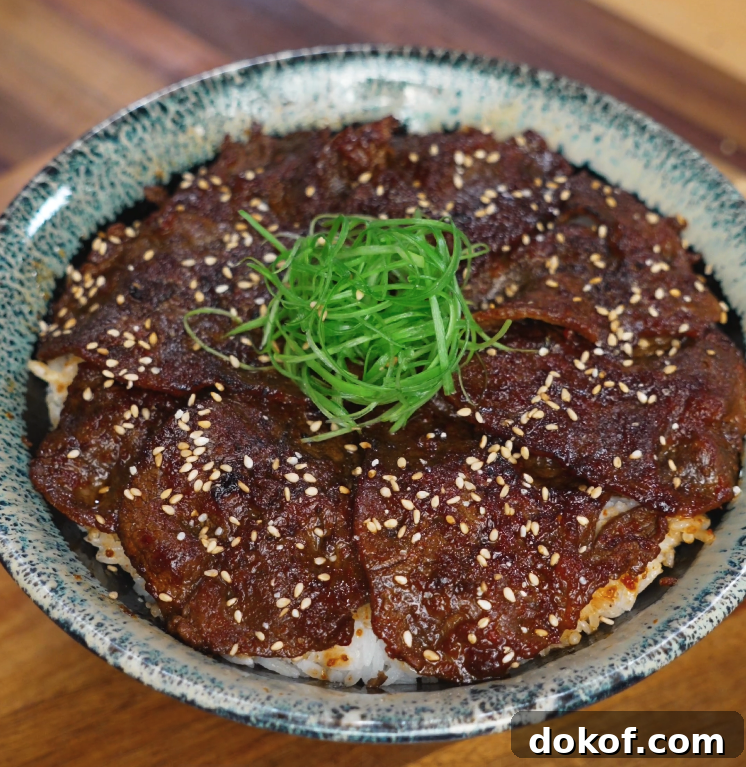
Serve over rice, noodles, or in lettuce wraps. Garnish with scallions and sesame seeds. For added char, briefly torch or broil the top before serving.
Tips and Variations
Freeze the beef for 20–30 minutes before slicing to make thin, even cuts. Add sliced onions, bell peppers, or mushrooms for more texture; cook them before adding the sauce. For a low-carb option, serve in lettuce wraps or over cauliflower rice. Chicken thighs or thinly sliced pork shoulder also work well with this sauce.
Great with Rice, but Totally Flexible
This beef is excellent over steamed rice, chewy noodles, or inside lettuce wraps. It also works well in a sandwich with pickled vegetables. The sauce pairs with many sides, so feel free to experiment.
When You Want Takeout Flavor at Home
With one pan and a few pantry staples, you can make a bold, comforting Korean-style meal in under 15 minutes. It’s fast, satisfying, and easy to customize, which makes it a go-to for busy nights.
Frequently Asked Questions
What’s the best beef cut for Spicy Korean Beef?
Thinly sliced ribeye or chuck is best for tenderness and flavor; flank steak also works if sliced thin across the grain.
Can I make this less spicy?
Yes — reduce the gochujang and omit gochugaru to keep the heat mild but still flavorful.
Can I meal prep this dish?
Yes. Store the cooked beef and sauce separately from rice or noodles and reheat gently to maintain tenderness.
Can I substitute chicken or pork?
Absolutely. Thinly sliced chicken thighs or pork shoulder adapt well to this sauce.
More Recipes to Try
If you enjoy bold Korean-inspired flavors, try other recipes on the site for crispy, saucy beef, noodle dishes, and comforting stews.