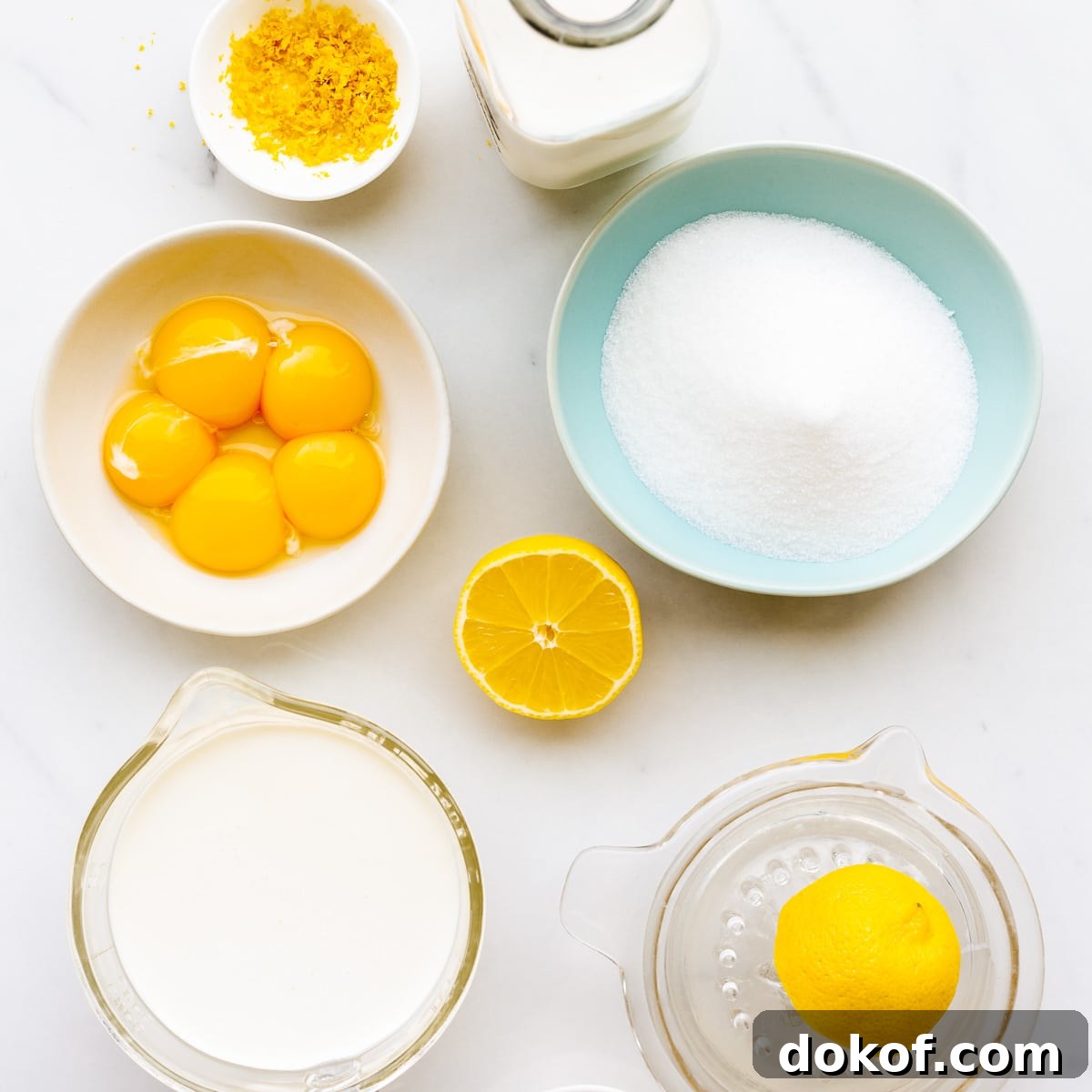
“When life gives you lemons, make lemonade!” Here’s a complete guide to what to bake with lemons and how to use them to brighten your baked goods.
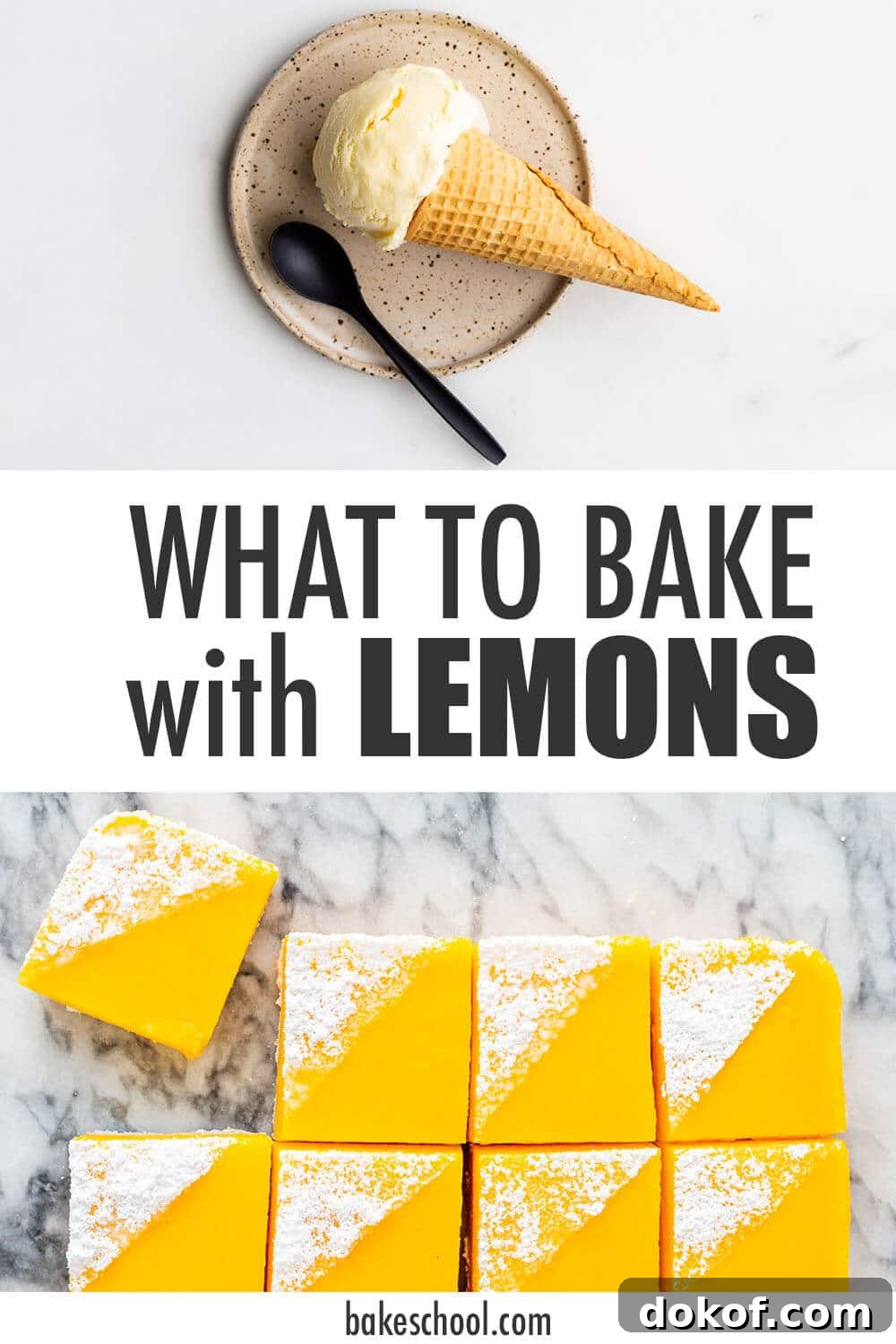
Some facts about lemons
- The pH of lemon juice is around 2, making it very acidic. Keep this in mind when working with chemical leaveners or substituting ingredients, since acidity affects how batters and doughs react.
- One lemon yields roughly 60 mL (¼ cup) of juice.
- One lemon yields about 15 mL (1 tablespoon) of zest.

Pro tips for baking with lemons
When baking with lemons, follow these practical tips:
- Wash and scrub the lemon before zesting to remove any residue.
- Zest only the outer colored layer and avoid the bitter white pith underneath.
- Zest before juicing. Zesting a juiced lemon is difficult and risks grating your fingertips.
- Strain lemon juice to remove pulp and seeds when a smooth texture is desired.
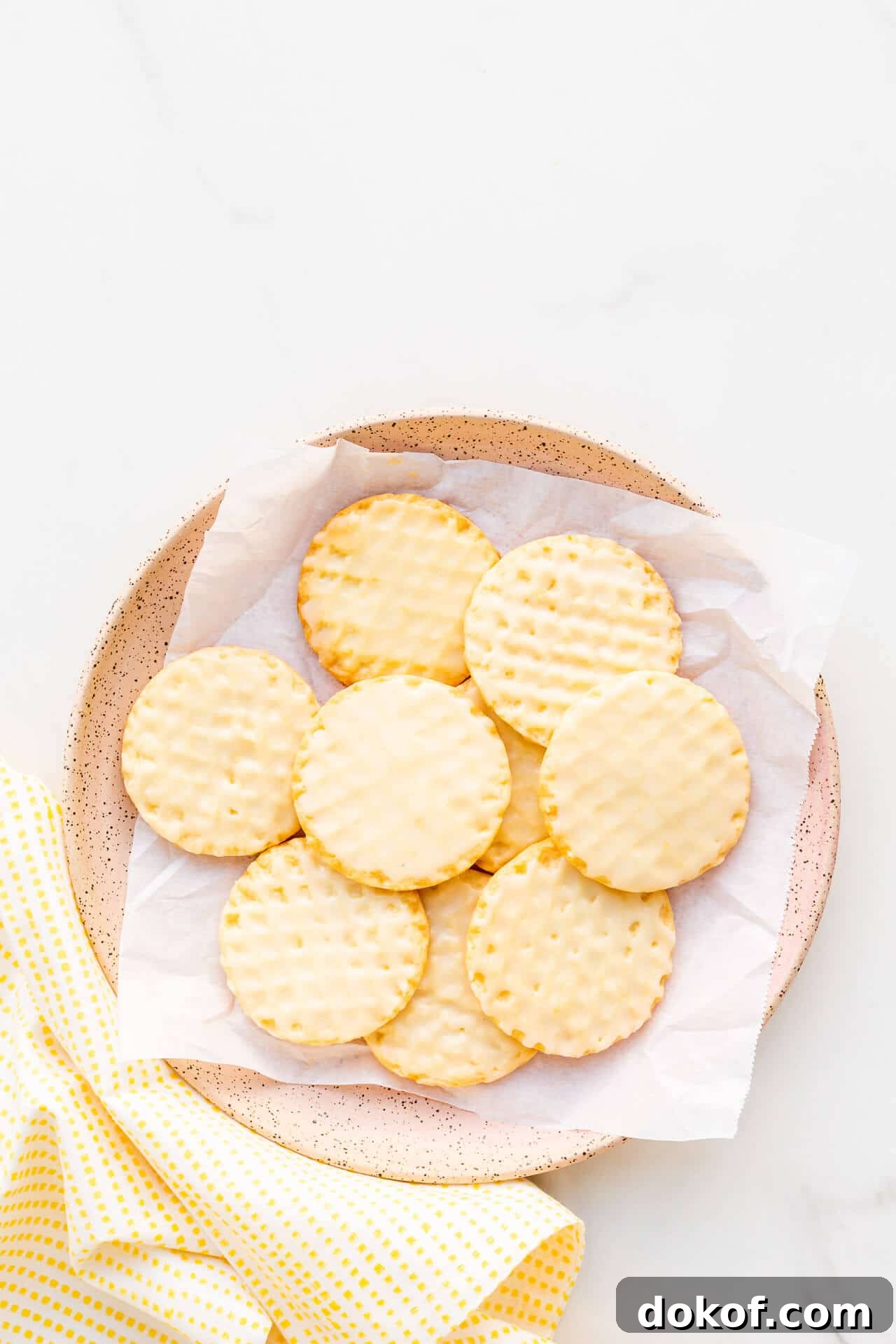
Infusing baked goods with lemon flavour
Adding a small amount of lemon juice directly to cake or muffin batter rarely delivers strong lemon flavour—the tartness is diluted by sugar and flour. To get a pronounced lemon note, consider these options:
- Lemon extract — an alcohol-based concentrated flavour similar to vanilla extract.
- Lemon oil — oil pressed from the peel that carries intense citrus aroma.
- Lemon bakery emulsion — a water-based emulsion that mimics oil-based flavour without the strength of pure oil.
- Lemon zest — the outer peel that contains the fruit’s essential oils and provides bright, natural lemon flavor.
These options deliver aroma and floral or bitter notes, while acidity from fresh juice provides the mouth-puckering tang. For the fullest lemon experience, combine zest (for aroma) with a bit of fresh juice (for acidity) when the recipe allows.
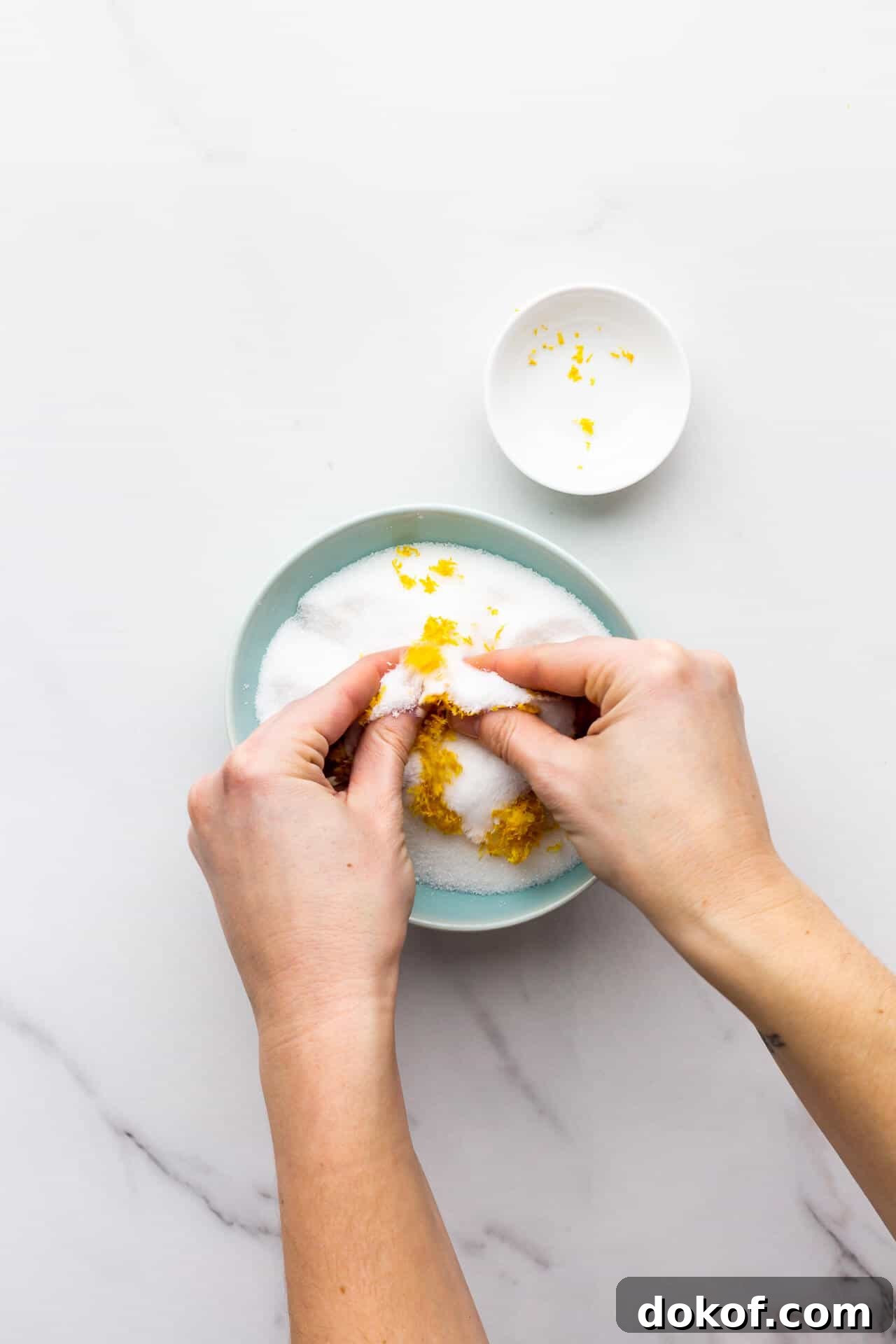
Lemon sugar
One of the simplest, most effective ways to add lemon flavour is lemon sugar. Rub finely grated zest into granulated sugar for several minutes. The sugar crystals bruise the zest, releasing aromatic oils that infuse the sugar. Use lemon sugar in cake batters, cookies, muffin tops, or as a finishing sprinkle to amplify lemon character without altering texture.

Recipes to bake with lemons
Here are popular lemon-forward recipes to try. Many of these use both juice and zest for a balanced flavour.
- Three fruit marmalade (uses whole lemons)
- Lemon curd (uses lemon juice and zest)
- Easy lemon bars (uses lemon juice and zest)
- Lemon mousse (uses lemon juice and zest)
- Gluten-free lemon cake with raspberries (uses lemon juice and zest)
- Lemon loaf cake (uses lemon juice and zest)
- Lemon crackle cookies (uses lemon juice and zest)
- Lemon-glazed soft gingerbread (uses lemon juice)
- Lemon custard ice cream (uses lemon juice and zest)
- Cranberry lemon muffins (uses lemon juice and zest)
- Lemon shortbread cookies (uses lemon juice and zest)

Books about baking with lemons
If you want to dive deeper into citrus cooking and baking, look for resources that focus on citrus techniques and recipes. One well-regarded book to explore is Simply Citrus by Marie Asselin, which covers a wide range of ways to use citrus in the kitchen.