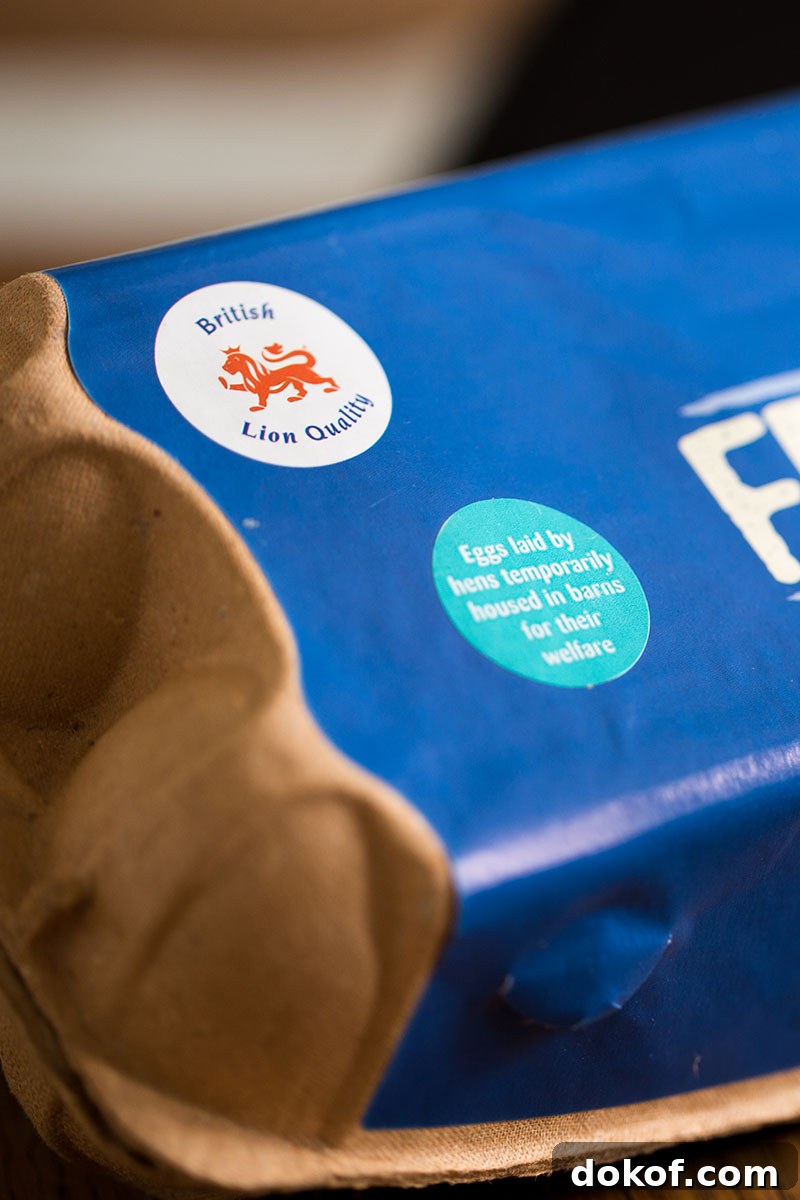
Have you noticed the small blue stickers on egg cartons recently indicating hens are being kept in barns? These labels reflect temporary measures taken because of an Avian Influenza (AI) outbreak. To reduce the risk of the disease spreading, hens are being housed indoors. This article explains what that means, clarifies the differences between barn, free-range and other egg types, and offers guidance to help you decide whether to keep buying eggs during this period.
A question that surfaced on social media recently asked whether it’s right to continue buying eggs when hens are temporarily unable to range outdoors. It’s a fair question and not an easy one to answer. Many readers may not know the distinctions between enriched cage, barn, free-range and organic systems, so below is a clear breakdown of how the UK’s laying hens are typically kept. After reading this, you’ll be better placed to make an informed choice.
Avian Influenza and Housing Orders
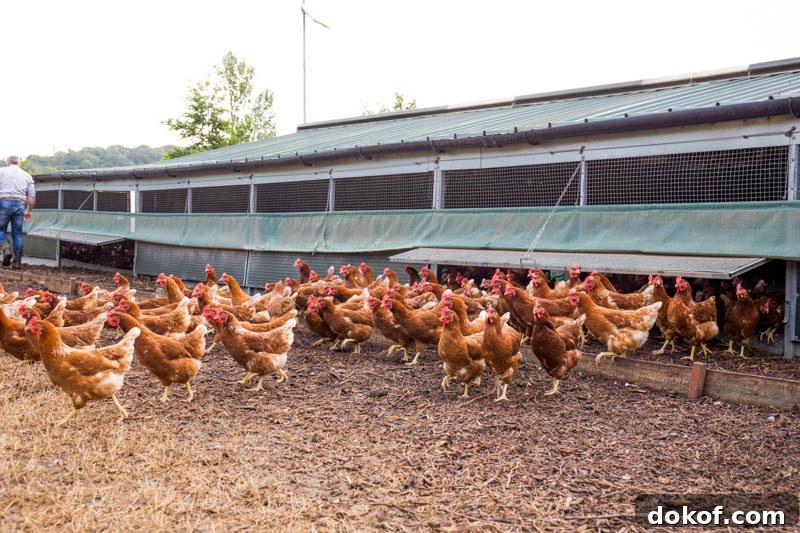
Avian influenza is carried by wild birds, which has led DEFRA to advise poultry keepers to keep birds indoors while the risk remains elevated. The aim of temporary indoor housing is to reduce the chance of disease transmission. A widespread outbreak can lead to many birds being culled, so keeping hens inside when there is a clear risk can be a more humane option that helps to limit spread.
Unfortunately, this means hens that would normally roam outside during the day are confined indoors until the housing order is lifted and it is safe for them to range again.
Understanding Egg Labels
If you buy eggs, it helps to know what the different labels mean. Below I explain the main housing systems used for laying hens in the UK and the key welfare requirements attached to each.
The Five Freedoms
All livestock in the UK are expected to be afforded five basic welfare freedoms. These apply regardless of system and set a baseline for acceptable care:
- Freedom from hunger and thirst
- Freedom from discomfort
- Freedom from pain, injury or disease
- Freedom to express normal behaviour
- Freedom from fear and distress
Beyond these principles, the most common commercial systems for laying hens in the UK are enriched cage, barn, free-range and organic. Each has specific space and management requirements.
Enriched Cages
Enriched cage systems provide indoor communal housing with defined amenities. Each bird is allocated a minimum of 750 cm² (roughly 27 cm x 27 cm) of space. The cages must include a nest, at least 15 cm of perch per bird, and a litter area for pecking and scratching, along with constant access to feed and water. Major retailers have committed to phasing out eggs from enriched cages by 2025.
Barn
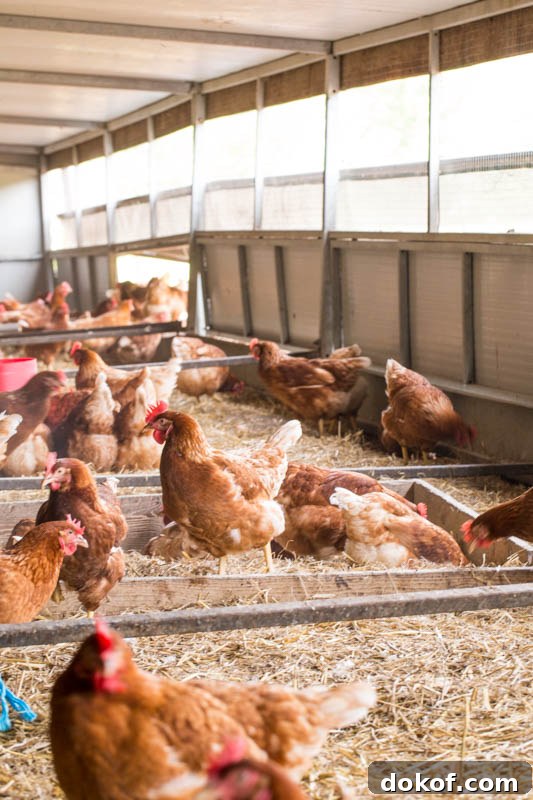
Barn hens live indoors for their entire lives but are kept in open-plan sheds without individual compartments. Stocking density allows up to nine birds per square metre of usable shed space (about 1,111 cm² per bird). Requirements include litter covering at least one third of the floor, 15 cm of perch per bird, nesting areas and unrestricted access to feed and water. In all other welfare respects barn systems match free-range standards, except for outdoor access.
Free Range
Free-range hens are managed the same as barn birds while indoors, but they also have daytime access to outdoor pasture. The outdoor area must provide at least 4 m² per hen and be covered with vegetation. This outdoor access is the feature currently suspended for many producers because of AI precautions.
Organic
Organic systems offer stricter standards: at least 10 m² of outdoor space per bird, smaller flock sizes, and a ban on routine beak trimming. Organic hens are also fed non-GM feed by organic certification rules. During an AI housing order, organic hens are not allowed outside either.
Chicken Behaviour and Welfare
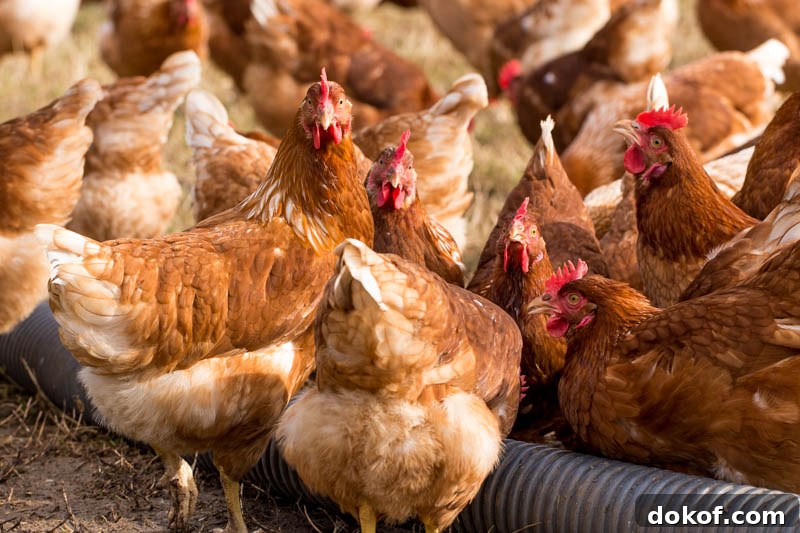
Chickens are social animals that prefer living in groups. As prey species they can be nervous in open areas, so access to pasture is not the only determinant of their welfare. If indoor welfare requirements—adequate space, enrichment, nesting, perches, food, water and health care—are met, hens can still live comfortable and contented lives while temporarily housed.
It’s also important to recognise the economic context. If consumers stopped buying eggs because hens are temporarily kept indoors, demand would fall. Lower demand could leave producers with excess birds and tighter margins, increasing the likelihood of flock reductions. Many egg producers operate on thin profit margins and may be unable to sustain larger flocks if sales drop dramatically.
Should You Keep Buying Eggs?
Given the temporary nature of AI-related housing orders and the broader welfare context, continuing to buy eggs supports farmers who generally strive to care for their birds. A wholesale boycott during a housing order is unlikely to improve hen welfare and may instead harm producers and birds alike. Maintaining normal purchasing patterns helps keep the supply chain viable until outdoor access can safely resume.
When restrictions are lifted and it’s safe for hens to range again, free-range and organic flocks will return to outdoor access. In the meantime, looking out for welfare-focused labels, buying from trusted suppliers and asking questions of retailers can help you align purchases with your values.
References used to inform this summary include UK government guidance on laying hen welfare and certification standards for organic and free-range production.