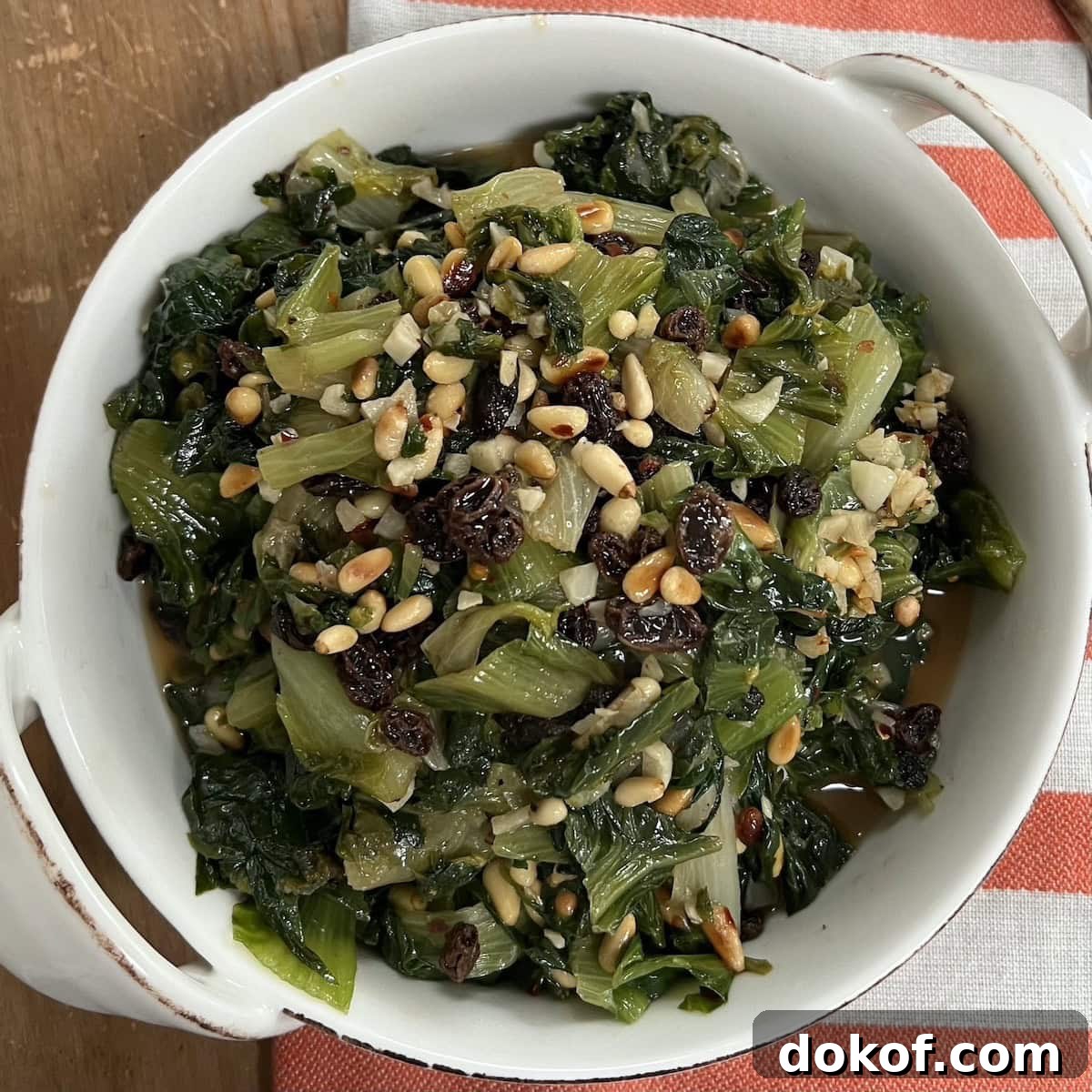
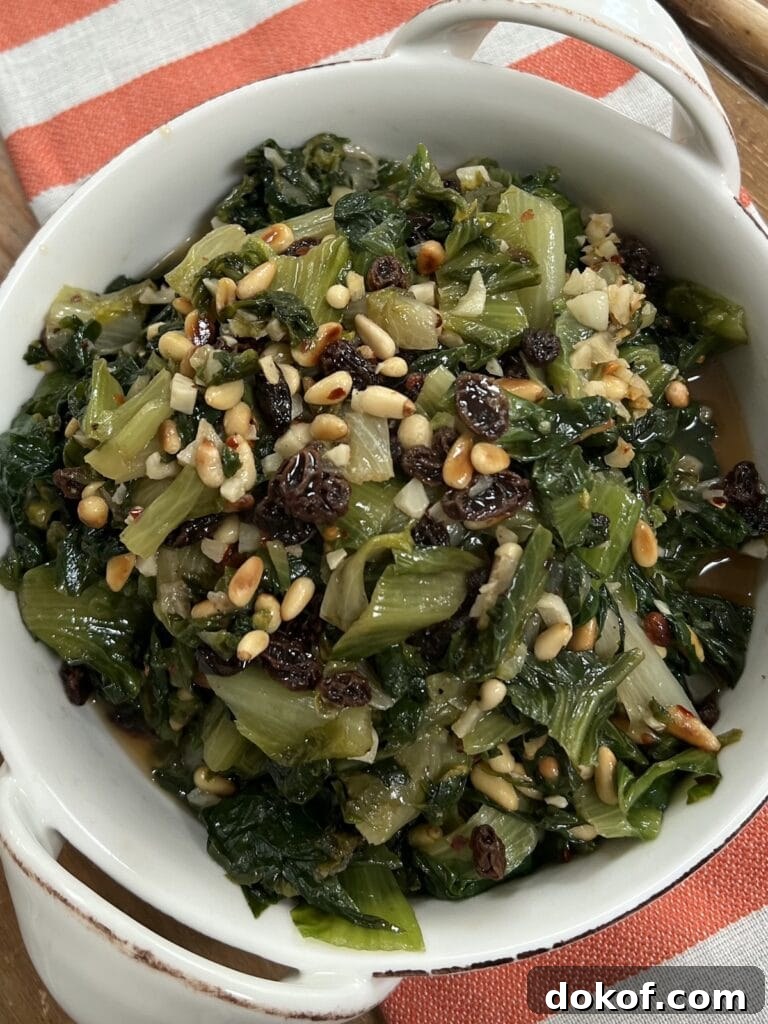
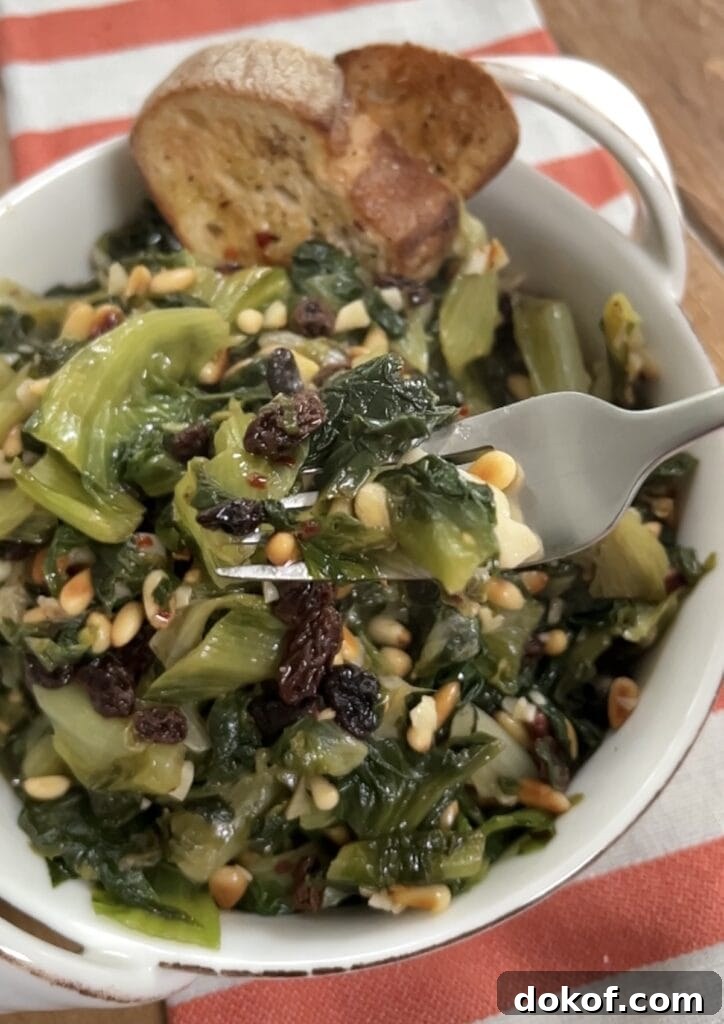
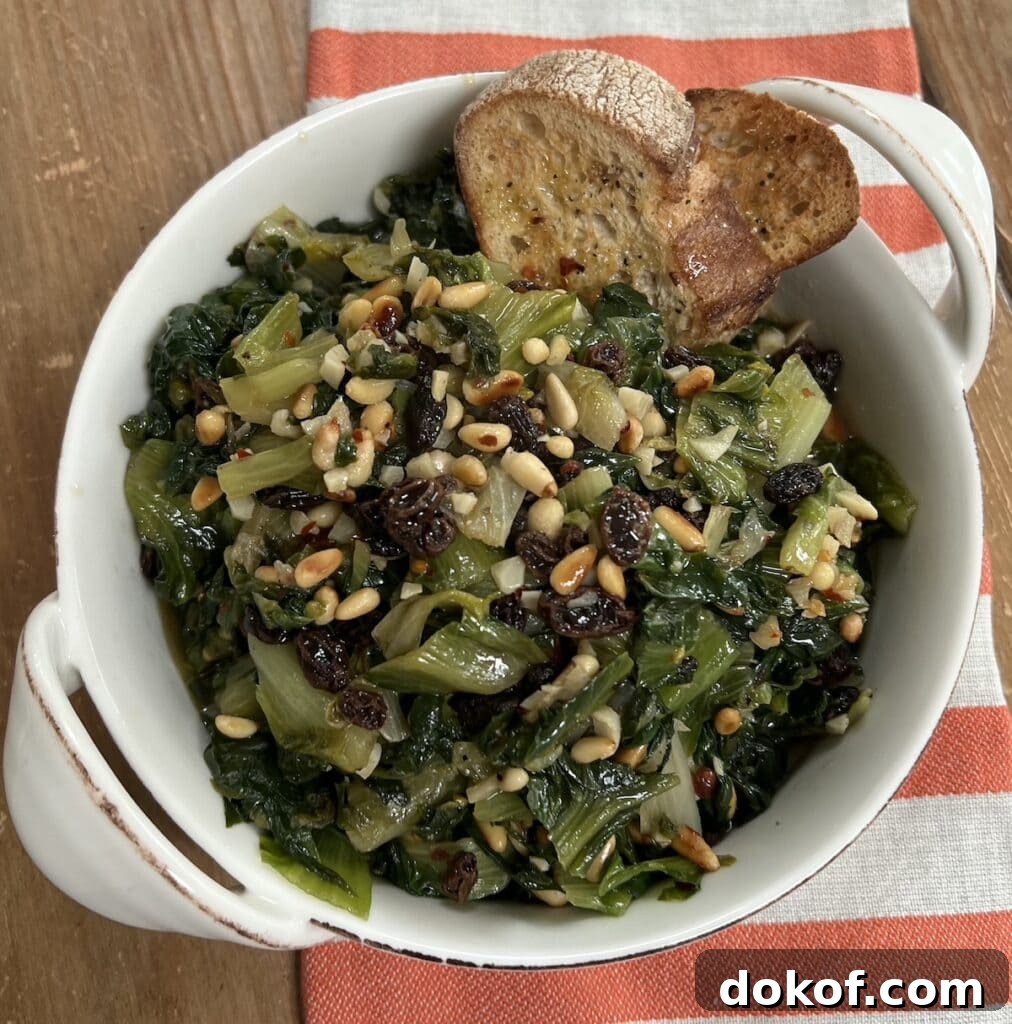
Italian escarole is quickly sautéed in extra-virgin olive oil and garlic, then finished with toasted pine nuts and plump raisins. The result is a nutritious, textural side dish with bright, balanced flavors—perfect for holidays or an everyday meal. This vegan, gluten- and dairy-free recipe comes together in a few simple steps.
Escarole—called scarola in Italian—is a staple in many Italian-American kitchens, especially in the northeastern United States, and is widely enjoyed in Italy, notably around Rome. It’s a common side in Neapolitan and Sicilian cooking. Its mild, slightly bitter flavor softens with cooking, making it versatile for salads, braises, soups and sautés.
This sweet-and-savory Sicilian-style escarole pairs garlicky greens with toasted pine nuts and rehydrated raisins for a warm, aromatic dish. Pine nuts add a buttery crunch while raisins bring gentle sweetness that balances the green’s natural bite.
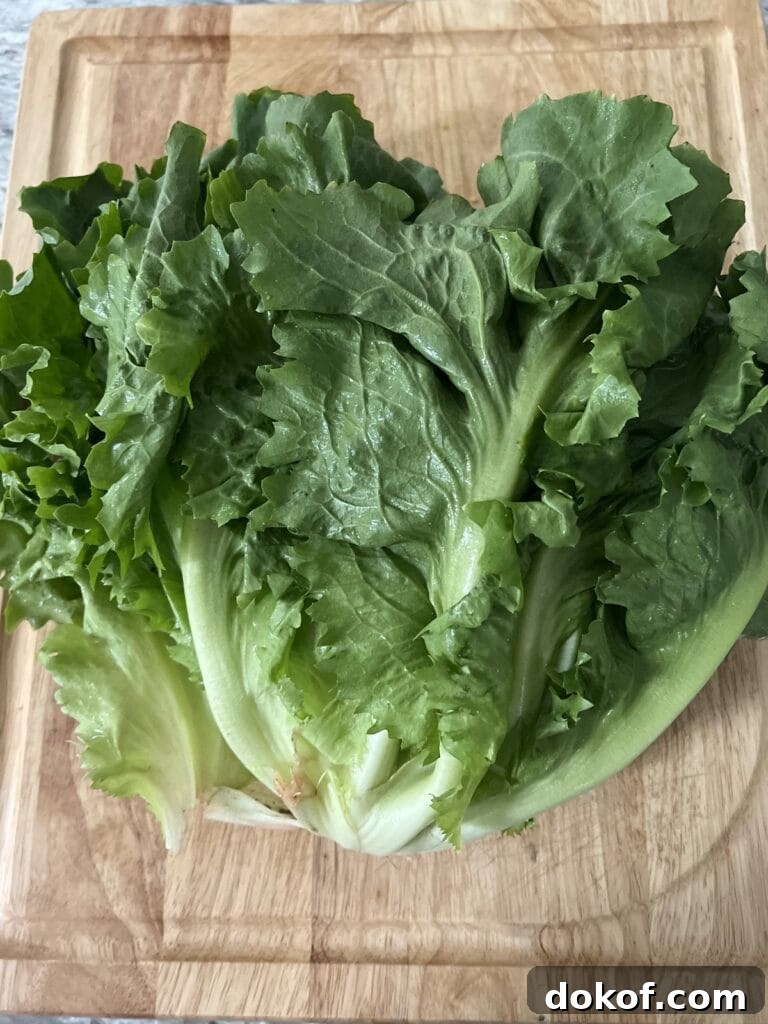
What is Escarole?
Escarole is a hearty leafy green in the chicory family, related to endive. It has a gentle bitterness that mellows when cooked, unlike stronger greens such as broccoli rabe or dandelion. Escarole stands up well to longer cooking and is delicious both raw in salads and braised or sautéed.
Sometimes labeled broad-leaf or Batavian endive, escarole is versatile and widely available. In this recipe the leaves are briefly steamed by their own rinsing liquid, then sautéed with garlic, toasted pine nuts and sweetened raisins for a classic Sicilian flavor profile.
This preparation is simple, seasonal, and naturally plant-based—make it for family dinners or festive holiday menus.
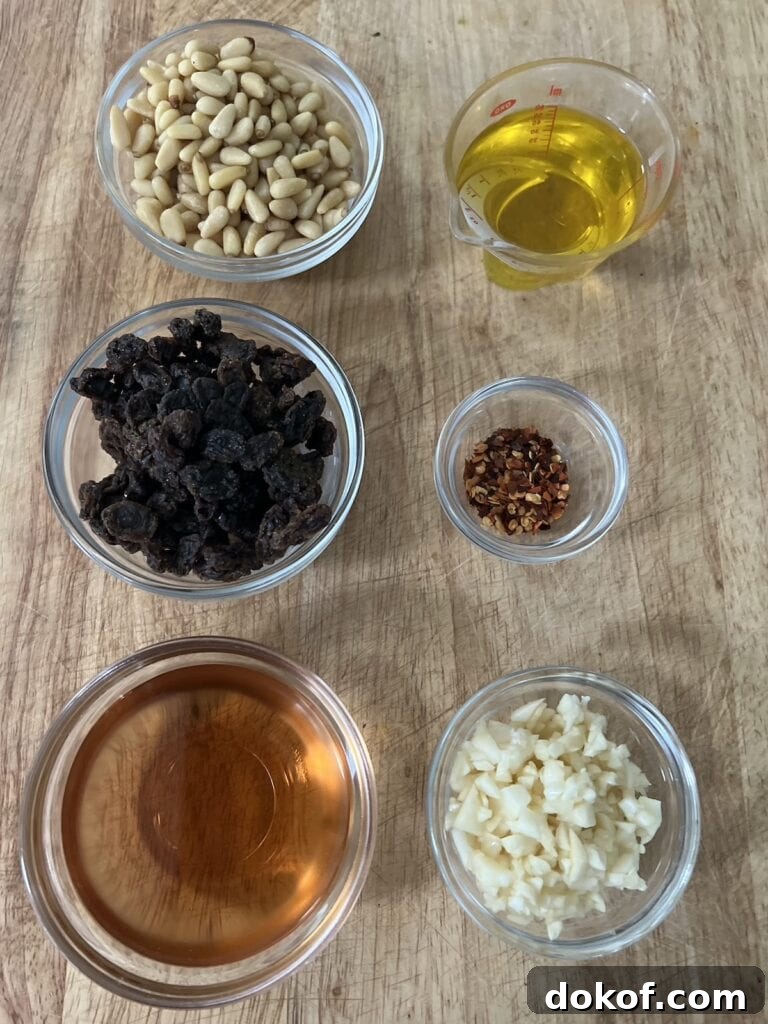
Ingredients
- Escarole: Choose firm, heavy heads with crisp, bright green leaves. Sizes vary—this recipe uses about 2 lb (1–2 heads depending on size).
- Extra-virgin olive oil: Use a good-quality oil for best flavor; divided for cooking.
- Raisins and pine nuts: Raisins add sweetness and are briefly rehydrated in wine vinegar; pine nuts provide a rich, nutty crunch. If pine nuts are unavailable, use chopped almonds, walnuts or pistachios.
- Garlic: Fresh chopped garlic provides essential aromatics—use to taste.
- Wine vinegar: Red or white wine vinegar to rehydrate raisins and brighten the dish.
- Salt, black pepper and optional crushed red pepper: Season to taste.
How to Prepare Sautéed Italian Escarole
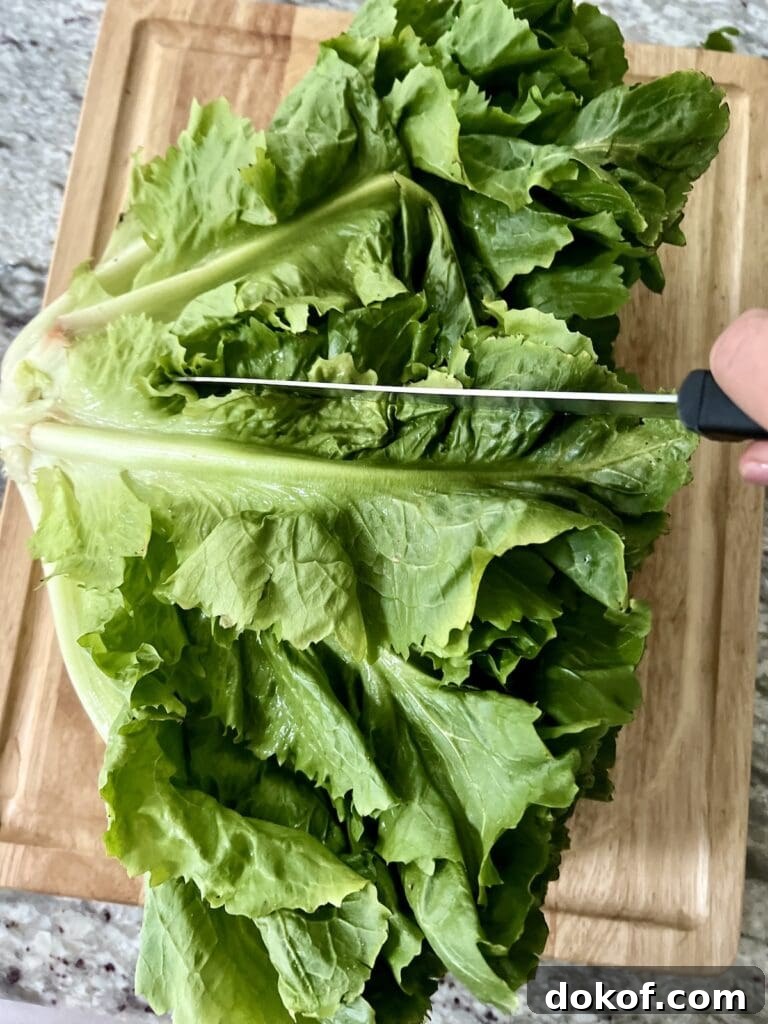
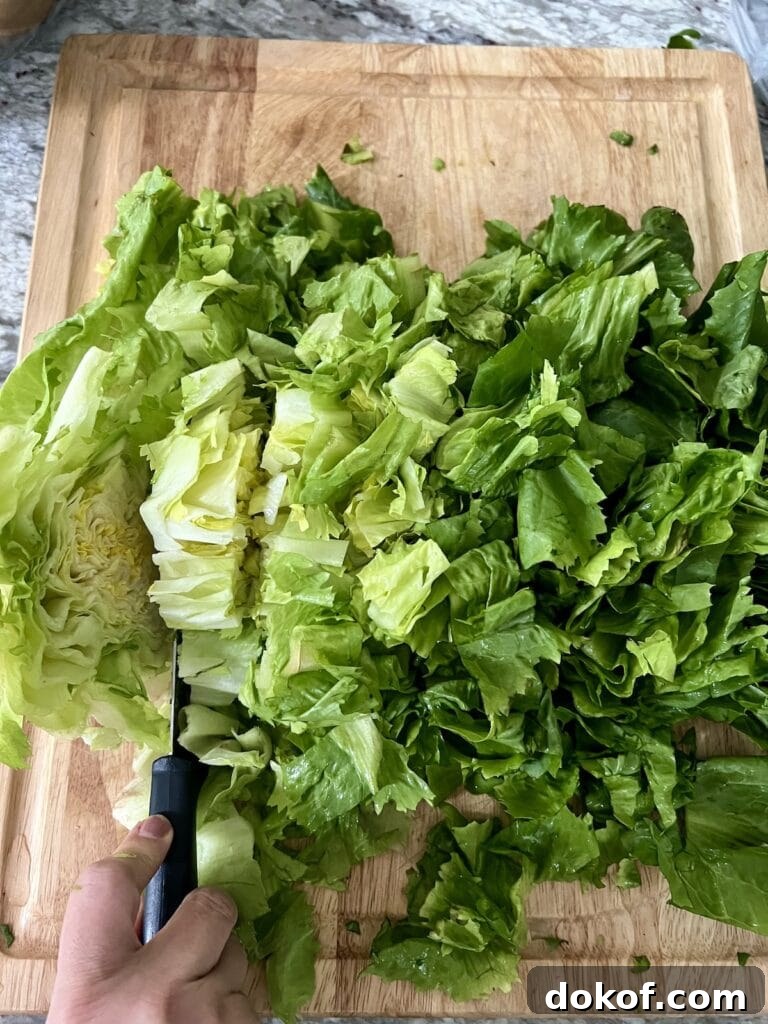
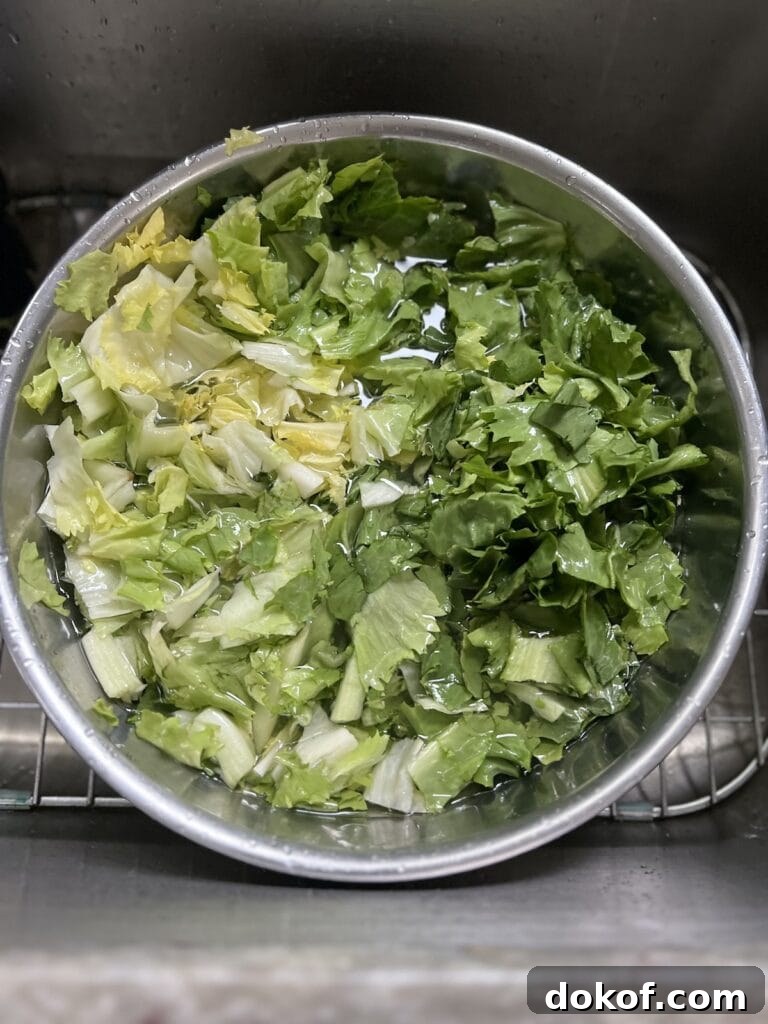
- Prep and rinse the escarole: Remove damaged outer leaves. With the root intact, make 3–4 lengthwise cuts, rotate and repeat, then cut crosswise into bite-sized pieces. Remove and discard the root. Soak the cut leaves in a large bowl of cold water, agitating to release dirt; repeat until the water runs clear. Lift the greens out of the water to leave grit behind, then drain in a colander. Do not fully dry—the remaining water will help steam the greens.
- Rehydrate raisins: Place raisins in a small bowl, cover with wine vinegar and let sit 15 minutes until plump. Drain before using. Water can substitute in a pinch.
- Toast pine nuts: In a small dry skillet over medium-low heat, toast pine nuts in a single layer, stirring often, until golden and fragrant—this takes only a minute or two. Watch closely to avoid burning. Set aside.
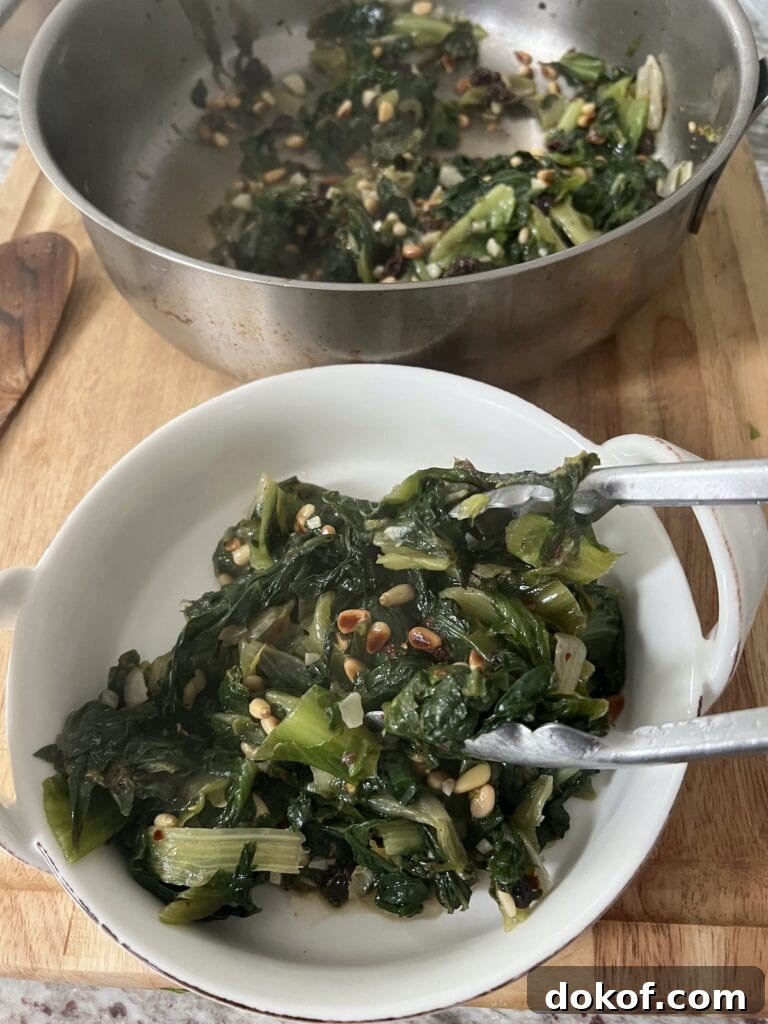
- Steam the escarole: Heat 2 Tbsp olive oil in a large skillet or Dutch oven over medium. Add half the escarole, cover and let it wilt, stirring once or twice (a few minutes). Add a pinch of salt, then the remaining greens, cover and cook until tender. If needed, add a splash of water to help steam.
- Brown the garlic: Remove the cooked escarole from the pan and pour off excess liquid. Add the remaining 2 Tbsp olive oil, then the garlic and optional crushed red pepper. Cook until the garlic begins to lightly brown—do not burn.
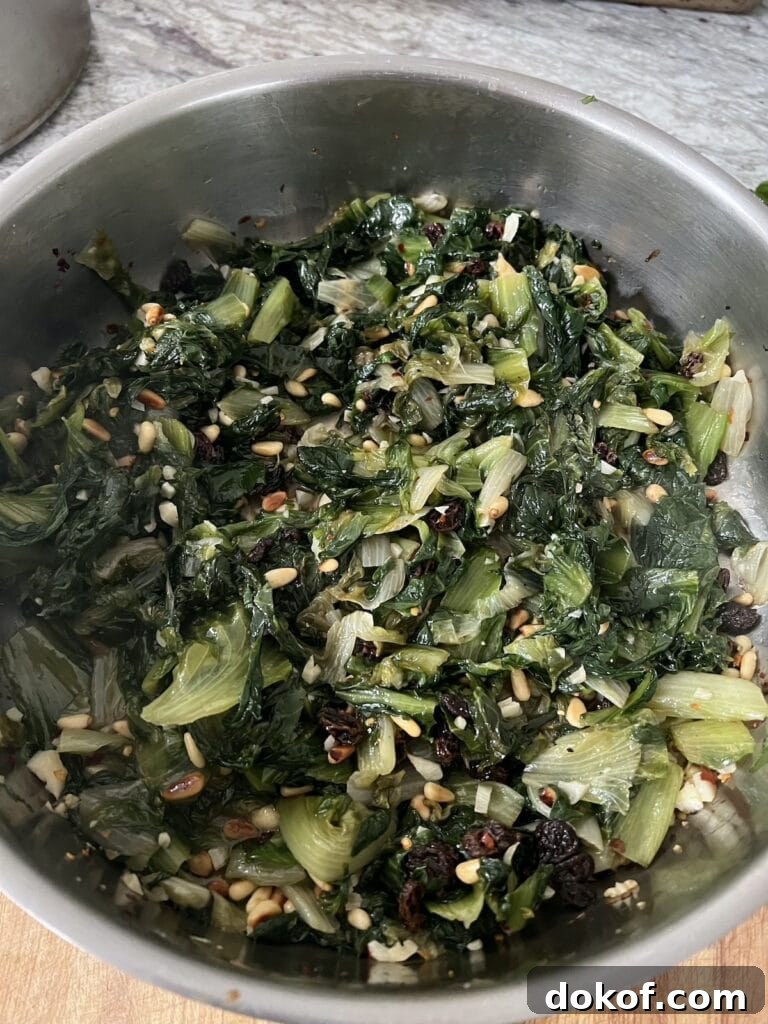
- Sauté and finish: Drain the escarole, return it to the pan and toss with the garlic oil. Season with salt and pepper. Remove from heat, fold in toasted pine nuts and drained raisins, reserve a few to sprinkle on top if desired, and serve immediately.
More Italian-Inspired Vegetables
- Baked Artichoke Hearts with Lemon Breadcrumbs
- Marinated Grilled Eggplant
- Pesto Roasted Vegetables
- Italian Vegetable Stew (Ciambotta)
- Roasted Zucchini with Mint and Vinegar
Frequently Asked Questions about Italian Escarole
Choose full heads with crisp, bright leaves and no yellowing. Store uncooked heads in the refrigerator inside a loose plastic bag for up to 3 days.
Can I prep escarole ahead of time?
Yes. Cleaned and prepped escarole can be stored in the fridge for 1–2 days. Use a salad spinner or pat dry, and add paper towels to the storage bag to absorb moisture and prevent wilting.
How can I reduce bitterness?
Cooking naturally reduces bitterness. For a milder result, briefly blanch escarole in salted boiling water for about 1 minute, then plunge into ice water, drain and squeeze out excess liquid before sautéing.
Top Tips for Sautéed Italian Escarole
- Clean thoroughly: Escarole traps dirt between leaves. Soak and rinse several times and lift the greens out of the water to leave grit behind.
- Prep ahead: Washed, drained escarole keeps 1–2 days refrigerated if dried and stored with paper towels to absorb moisture.
- Substitutes: Spinach, Swiss chard or Tuscan kale work as alternatives. If pine nuts are too expensive, substitute chopped almonds, walnuts or pistachios.
- Variations: Omit pine nuts and raisins for a simpler garlic sauté; add anchovy fillets with the garlic for briny depth; or swap raisins and pine nuts for olives and capers.
- Serving suggestions: Serve beside roasted meats, baked dishes, or toss with pasta or beans. It’s also delicious with crusty bread.
- Storage: Keep leftovers in an airtight container for up to 5 days and reheat in a skillet or microwave.
If you try this sautéed Italian escarole, enjoy—and buon appetito!