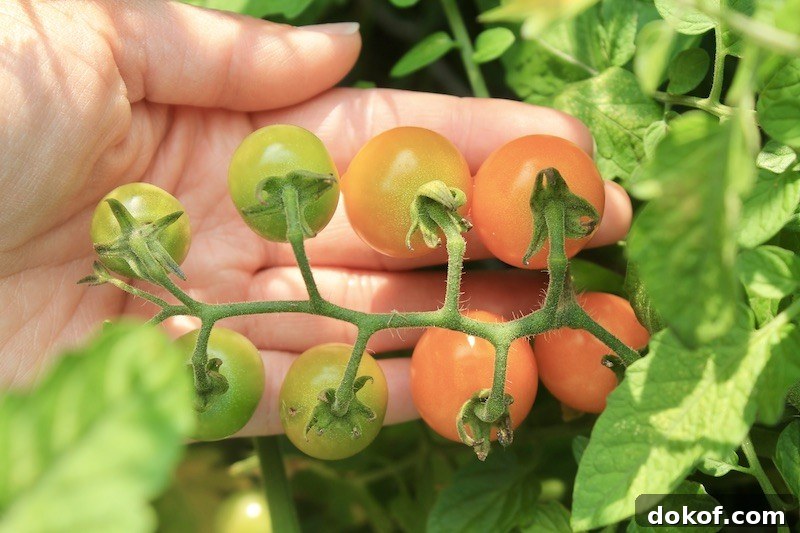
Whether you crave sweet, homegrown tomatoes or want to get a head start on the season, starting tomatoes indoors from seed is an easy and rewarding way to go. Tomatoes add vibrant color and abundant flavor to any garden and are straightforward to grow with a little preparation. Follow these simple steps to start tomato seeds successfully and set your plants up for a productive season.
This page contains affiliate links which allow me to earn small commissions from qualifying purchases of fun and favorite products at no cost to you.
Growing tomatoes indoors from seeds
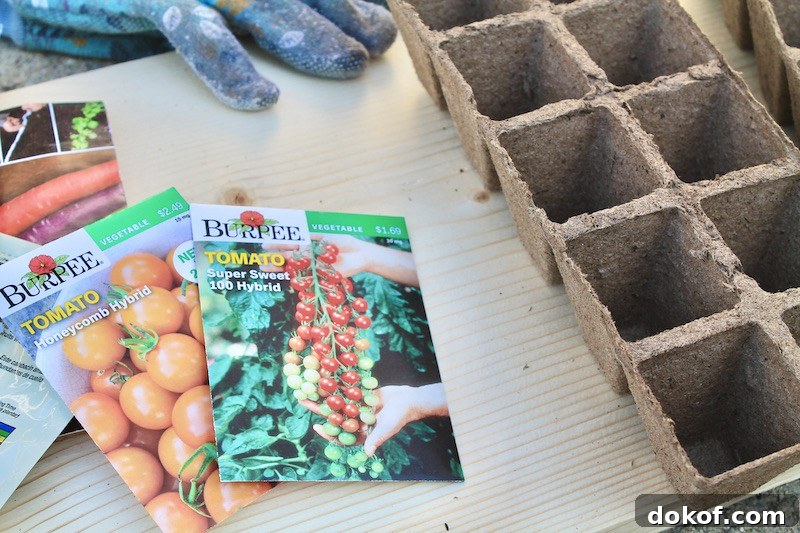
Tomato varieties range from tiny, sweet cherry types to large beefsteak and plum varieties. Choosing which to grow is the fun part — consider flavor, space, and how you’ll use the fruit. Once you’ve selected seeds, gather a few basic supplies to get started.
What you’ll need to grow tomatoes indoors
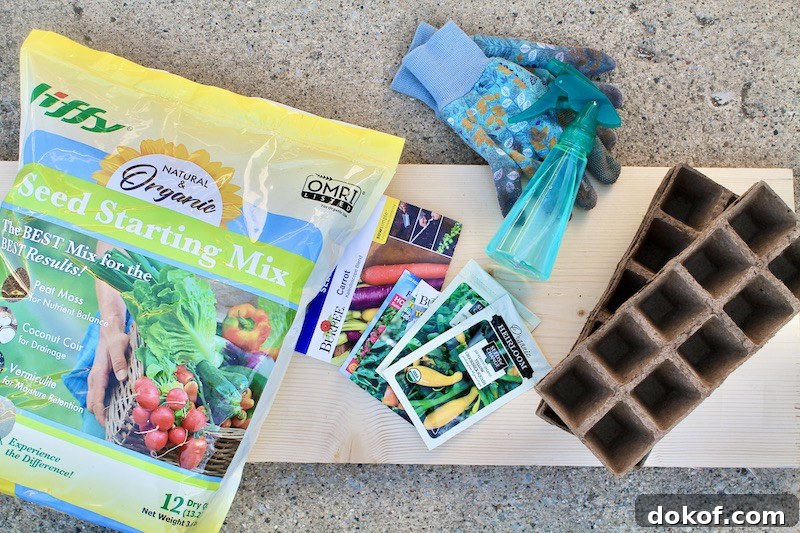
To begin, pick up a few items from a garden center or hardware store:
- Tomato seeds (choose varieties suited to your space)
- Seed-starting mix designed for seedlings
- Seed-starting peat pots or peat strips (biodegradable options work well)
- A spray bottle for gentle misting
Plant seeds in peat pots
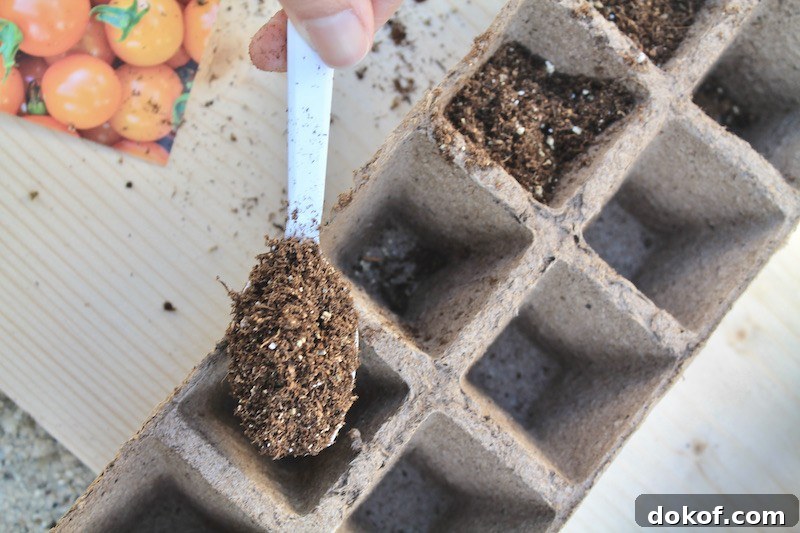
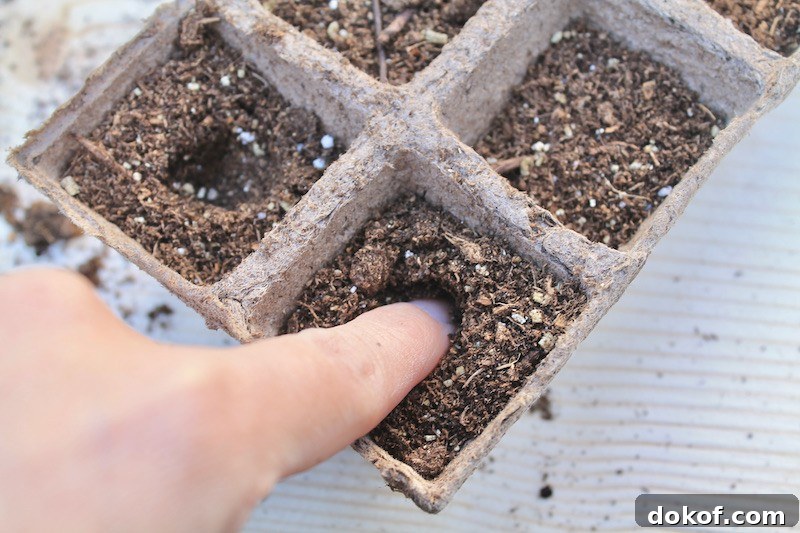
Fill peat pots with seed-starting mix and plant seeds about 1/4 inch deep. If the soil is dry, mist it lightly before planting. For tiny seeds, make a small dimple in the soil and drop one seed per pod. Using a small dish and a fingertip to pick seeds makes the task easier and less messy.
Mist and keep seeds consistently moist
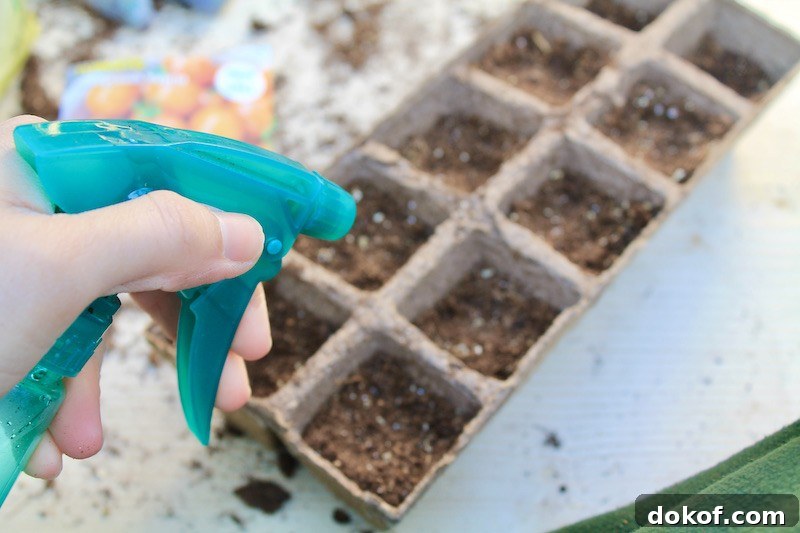
Keep the soil evenly moist and place the seed pods in a warm spot. Use a spray bottle to mist the surface regularly so the soil stays damp but not waterlogged. This gentle approach prevents seeds from being displaced and reduces the risk of overwatering.
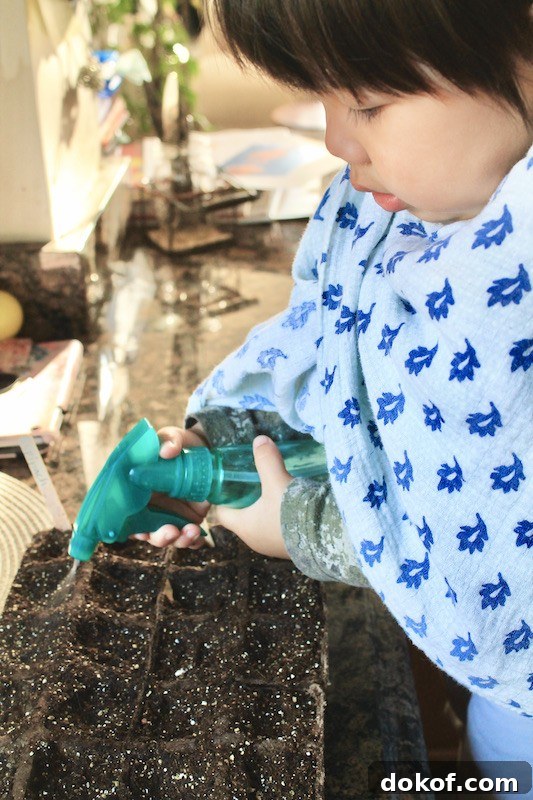
This is a great chore for kids — they can help mist the seed pods each morning and watch the plants grow.
How long until seeds germinate?
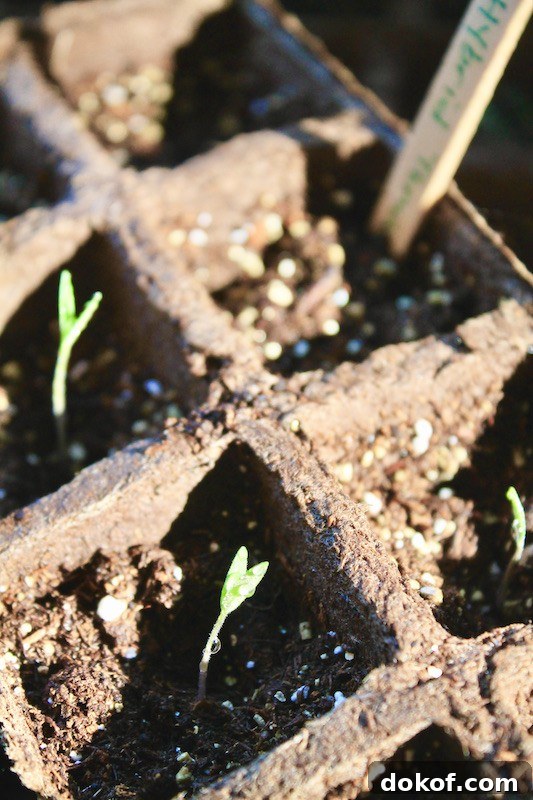
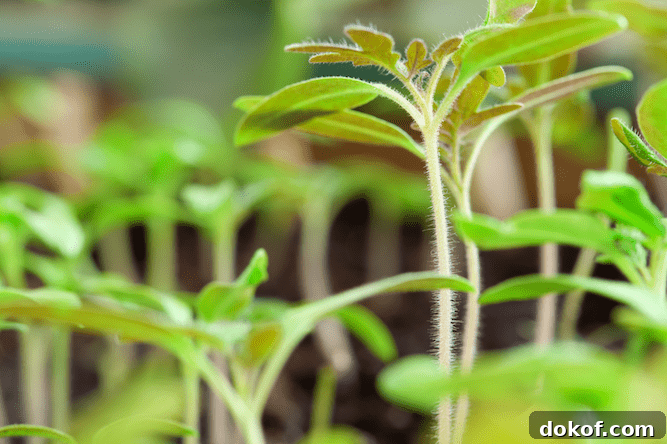
Seedlings typically sprout within one to two weeks. Once sprouts appear, provide plenty of light by placing pots on a sunny windowsill or under fluorescent or LED grow lights. Adequate light at this stage is essential to prevent leggy, weak seedlings.
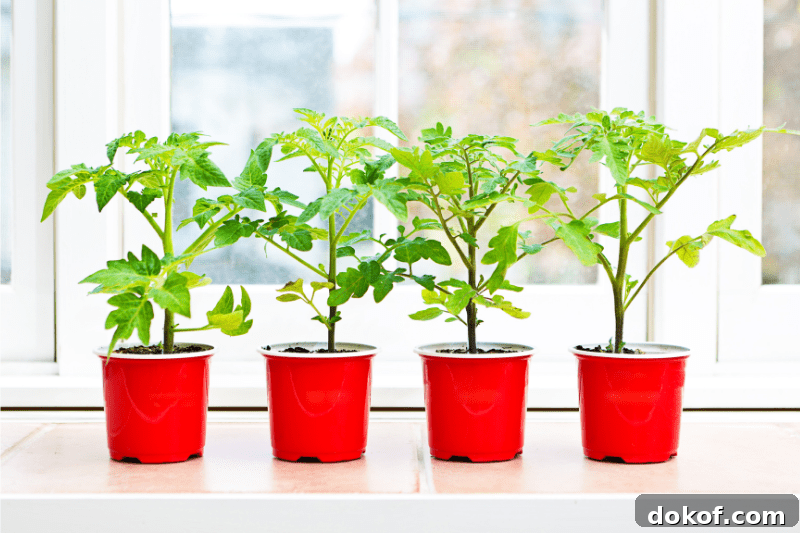
If direct sunlight is limited, identify the brightest window in the house—south-facing windows usually provide the best light. Position plants where they receive consistent, bright light until they’re ready to move outdoors.
Label your plants
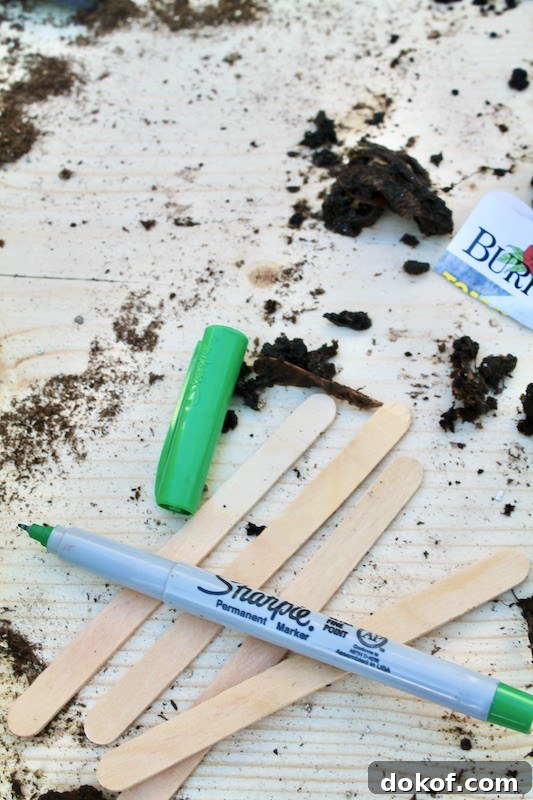
If you’re growing multiple varieties, label each pot so you can track differences in growth, flavor, and harvest time. Simple labels on popsicle sticks written with a permanent marker work well and stay legible through transplanting.
Transplant to wider pots
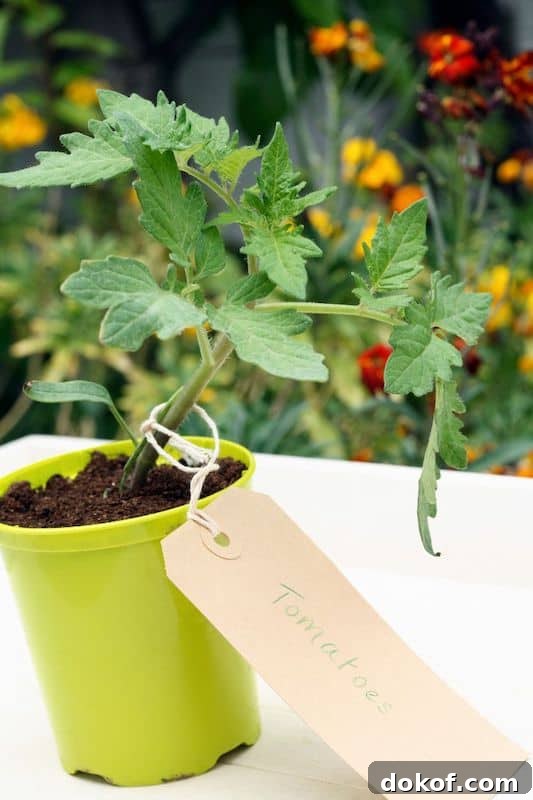
When seedlings have three or four true leaf pairs, move them into larger 3–4 inch pots to allow roots more room to develop. If you don’t have small pots, clean disposable cups with drainage holes are a suitable temporary option. Placing cups on a tray makes cleanup easy and catches any runoff.
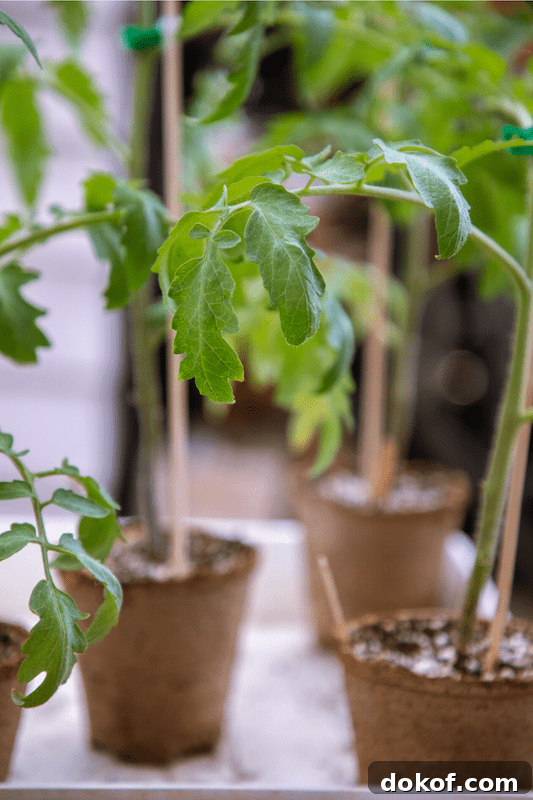
Giving seedlings a bit more space encourages stronger root growth and sturdier plants before planting them outside.
Harden off plants before planting out
To acclimate seedlings to outdoor conditions, place them outside daily for increasing periods over one to two weeks. This hardening-off process exposes plants to sunlight, wind, and natural temperature fluctuations. Bring them indoors at night if frost is possible or if nighttime temperatures drop below about 50°F (10°C).
Transfer plants to the garden
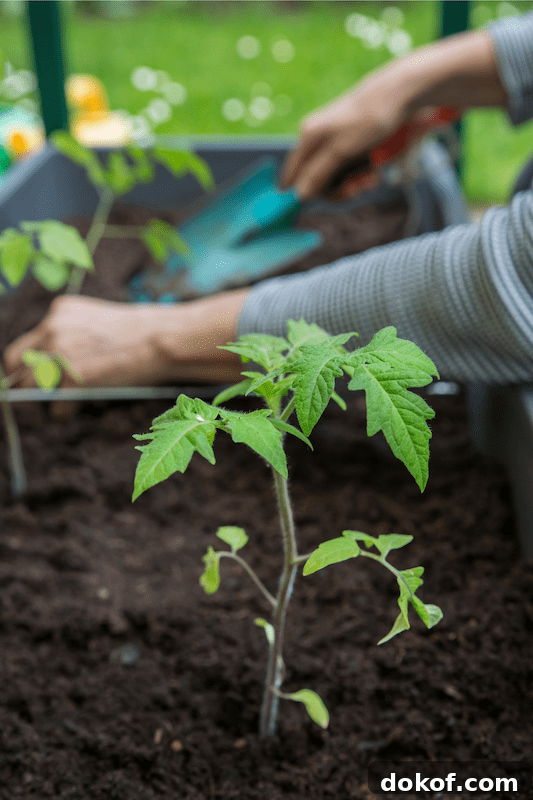
Once the risk of frost has passed, plant tomatoes in a sunny garden spot. Consult local frost date information for your area and plant accordingly. In cooler climates you may wait until late spring for consistently warm nights before transplanting outdoors.
Water and support your tomato plants
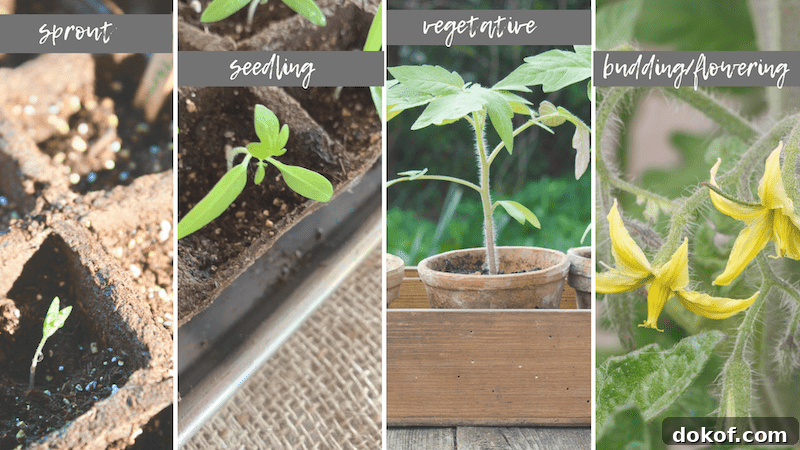
After transplanting, provide regular water and full sun. Feed monthly with a balanced fertilizer and give plants support using cages or stakes to keep stems upright and fruit off the ground. Proper watering and support reduce disease and encourage even ripening.
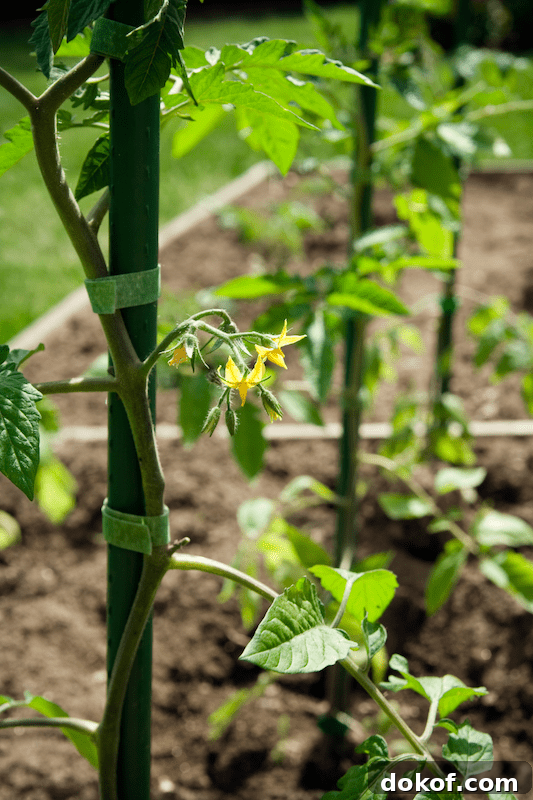
Tomatoes can be ready to harvest roughly 45 to 90 days after planting, depending on the variety. Enjoy fresh garden tomatoes in salads, soups, roasting, or simple cooked dishes — homegrown fruit often has more flavor than store-bought.
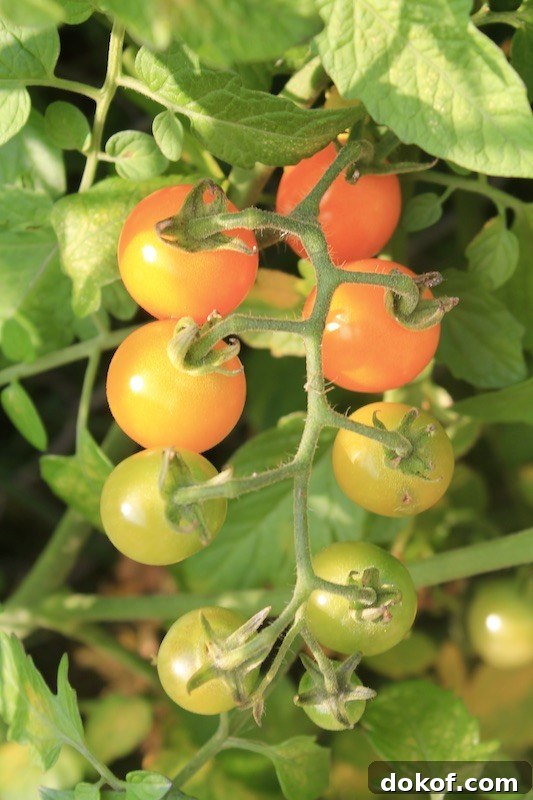
If you have tips from your own tomato-growing experience, share them in the comments. One reliable variety I’ve grown is a honeycomb-style hybrid of small orange cherry tomatoes — compact, sweet, and productive throughout the summer.
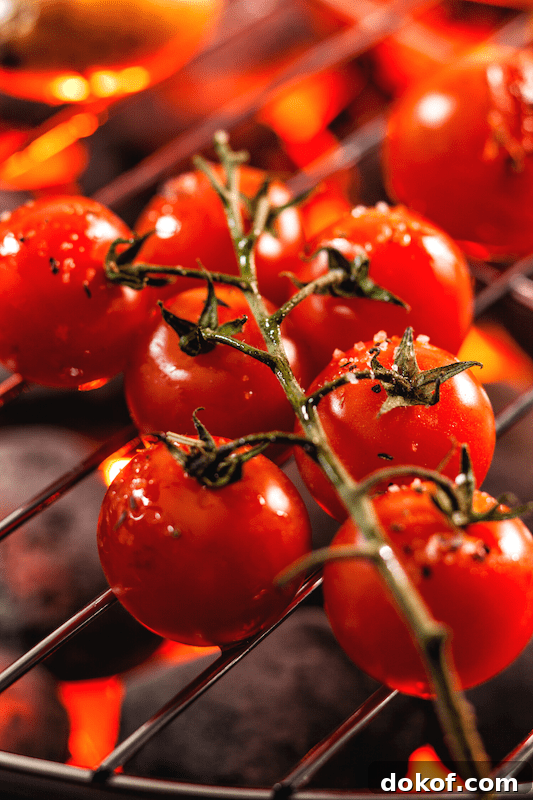
These small, sturdy tomatoes are perfect for snacking, grilling, salads, or dips. With these straightforward steps — choosing seeds, starting them indoors, keeping them moist and well-lit, transplanting to larger pots, hardening off, and finally moving them to the garden — you’ll be on your way to a fruitful tomato season.