Rendering Beeswax – A clear, practical guide to turning hive wax into clean, usable beeswax.
If you’ve harvested honey, don’t discard the wax cappings. Properly rendered beeswax is a valuable, natural material you can use for candles, balms, wraps and many other projects. This guide explains a simple oven method to clean and render wax collected after extraction.
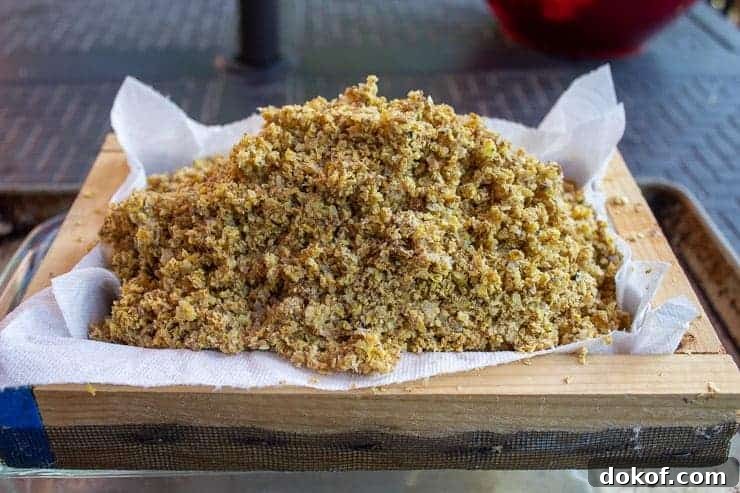
The photo below shows wax cappings collected after extracting honey.
Why render the wax?
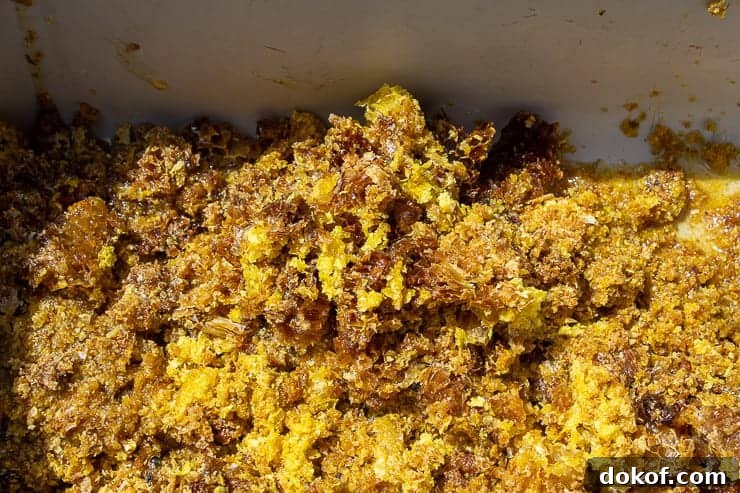
Wax from honey extraction contains residual honey, small bits of bees, and occasionally grass, leaves or twig fragments. Rendering removes these impurities and produces a stable, usable beeswax that stores well and performs reliably in crafts and household uses.
Steps to render beeswax
- Rinse cappings: Place wax cappings in a large bowl and cover with water. Let them soak for at least an hour, then drain. Repeat this rinsing process at least three times to remove as much honey as possible.
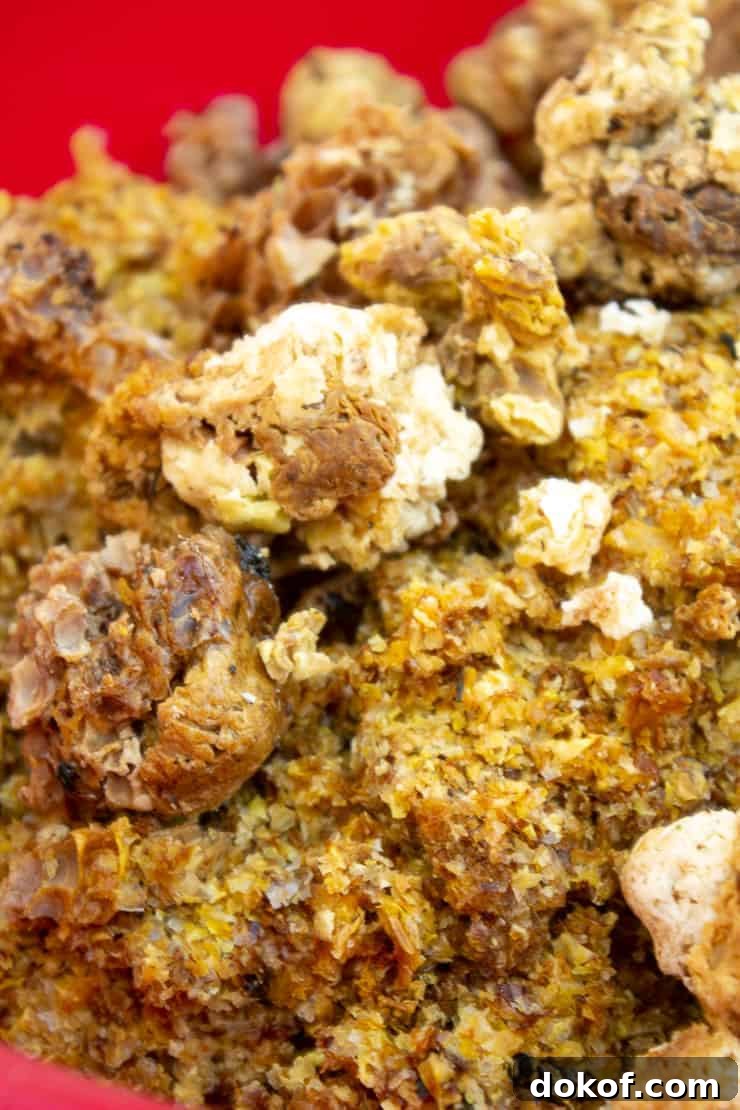
- Drain well: Strain off excess water. An old sieve works well—leave the wax in the sieve for a while so water can drain away.
- Prepare your filter: Line a screen with a paper towel to catch fine impurities.
- Arrange for melting: Place the screen over a baking dish containing about 1/4″ of water.
- Protect surfaces: Set the baking dish on an old baking sheet to catch any spills and make handling easier.
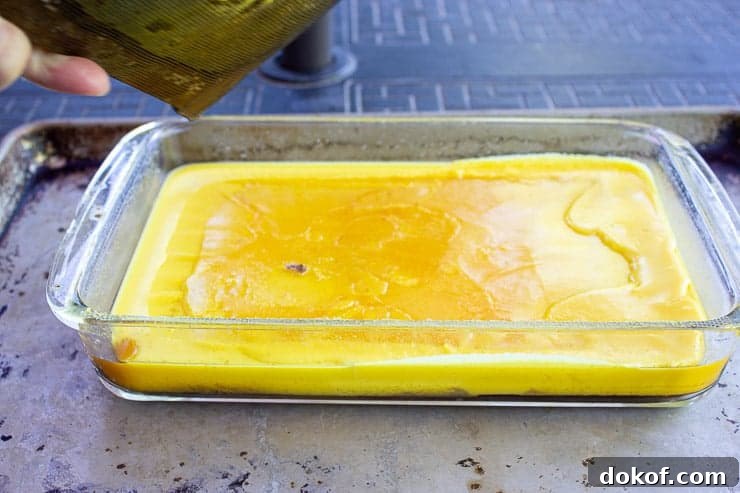
- Melt the wax: Put the assembly in a 200–250°F (93–121°C) oven. The gentle heat melts the wax and allows impurities to stay on the screen or sink into the water.
- Add more wax as needed: Once the initial wax has melted, you can add additional rinsed wax to the screen to melt and combine into one pool.
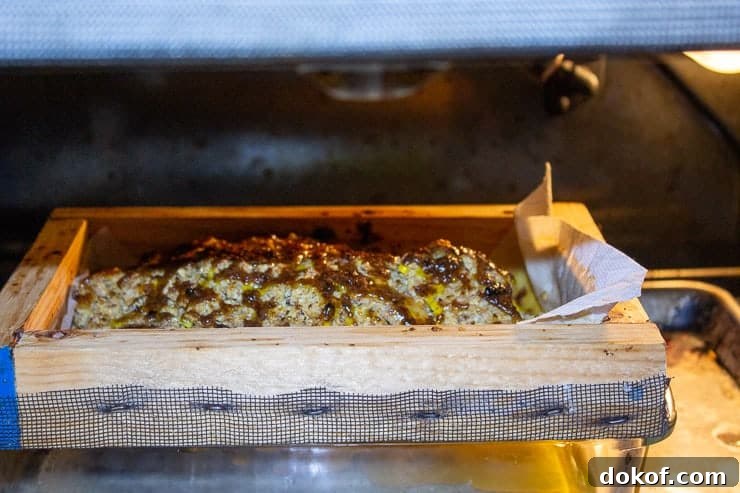
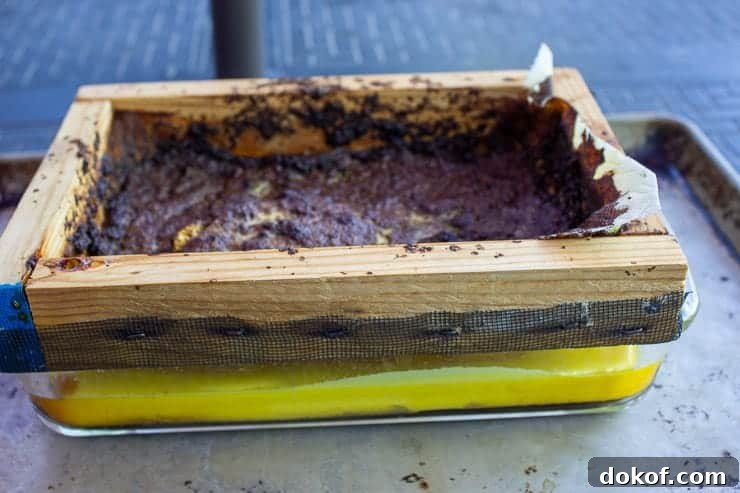
- Cool completely: When all the wax has melted, turn off the oven and allow everything to cool fully inside. As it cools the wax will harden and turn a clear yellow.
- Finish up: Once cool, remove the solid block of wax from the baking dish, discard the paper towel and the water, and trim or cut the wax into usable pieces.
Additional tips
- Keep dedicated equipment: Use a dish and trays reserved for beeswax. Wax can be difficult to remove completely and may affect future cooking items.
- Safety first: Beeswax is flammable at high temperatures. Never leave the oven unattended while melting wax and avoid heating above recommended temperatures.
- Handle only when cool: Do not move or pour liquid wax. Wait until it has hardened before handling or cutting.
- Use a proper screen: A small window screen or any fine mesh works well to separate solids. Recycled or repurposed screens can be perfect for this job.
- Work in batches: Smaller amounts are easier to manage and to portion once cooled.
Related posts on working with bees include installing a hive, routine hive checks, and general honey bee care.
If you try this method, I’d love to hear about it! Leave a comment and share a photo on Instagram @beyondthechickencoop.
Rendering Beeswax
1 hr
4 hrs
5 hrs
Equipment
- Screen
- Baking Dish
- Baking Sheet
- Paper Towels
- Sieve
Ingredients
- Sieve
- Baking Dish
- Baking Tray
- Window Screen
- Paper Towels
- Beeswax cappings
Instructions
- Rinse the wax cappings in a large bowl of water and soak at least one hour. Drain and repeat at least three times to remove honey.
- Strain off as much water as possible using a sieve and allow additional draining time.
- Line a screen with a paper towel and place the wax on top to catch impurities.
- Set the screen over a baking dish containing about 1/4″ of water.
- Place the baking dish on an old baking sheet and put it in a 200–250°F oven to gently melt the wax.
- When the wax melts, add any additional rinsed wax to the screen to combine.
- Turn off the oven and allow the wax to cool completely inside. The wax will harden and turn yellow as it cools.
- Once fully cooled, remove the wax block from the dish, discard the used paper towel and water, and cut the wax into usable pieces.