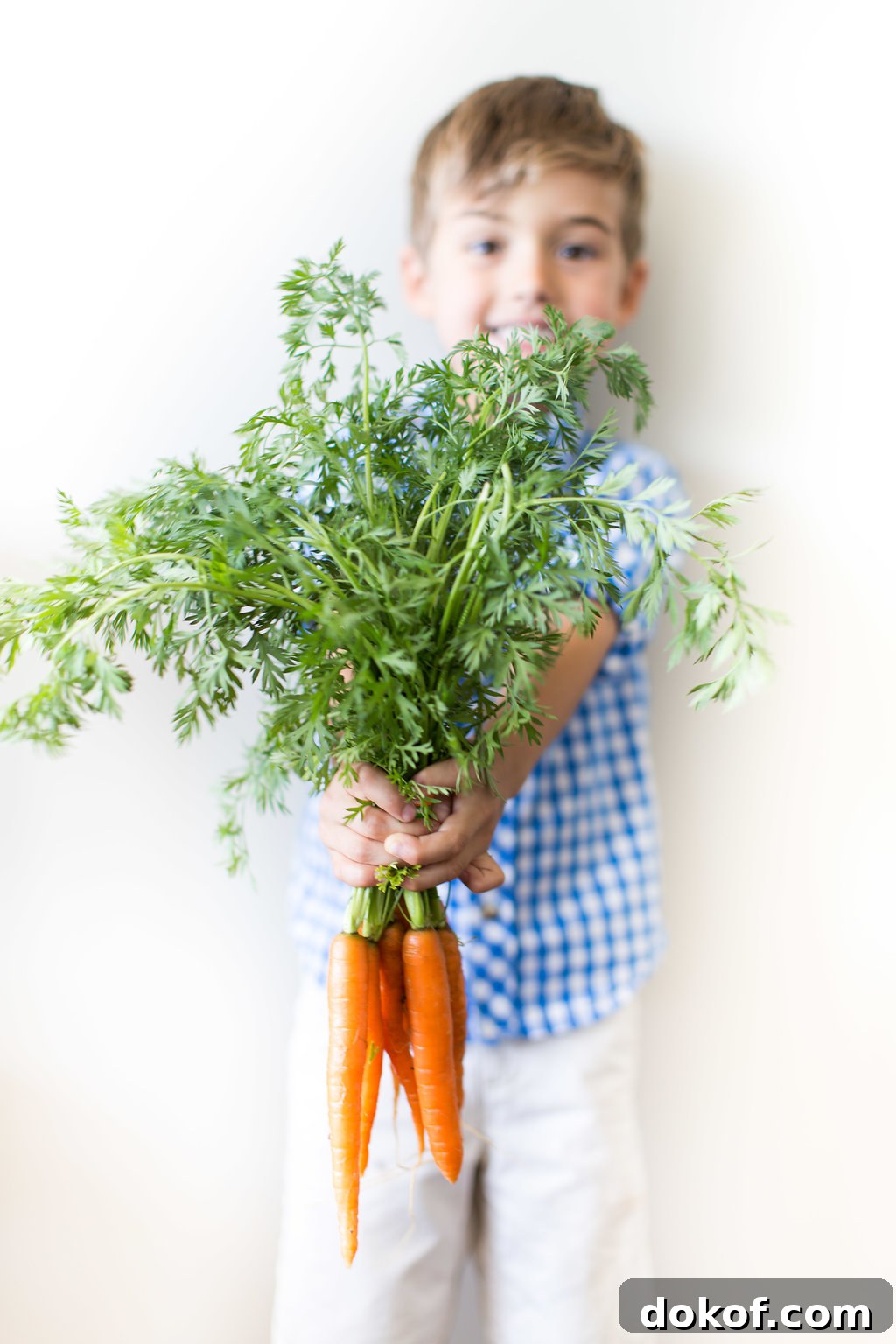
I’m a dietitian and a parent, so I’m often asked whether my kids are picky eaters. The short answer is: yes—like many children, they have preferences—but I’ve learned a few practical strategies that help them make healthier choices.
SHOP THE POST
With Halloween approaching and candy on everyone’s mind, these are the tips that have worked for our family. Some are simple habits, others are ways to involve kids so they feel ownership over food. They’ve helped at different stages with both Charlie and Max—Charlie responds well to involvement, while Max is carving his own path (see tip 9 for what works right now).
-
- Involve the kids. Let children help with grocery shopping, menu planning, and safe kitchen tasks. It can feel like extra work, but making it fun pays off. When Charlie helps pick out a new fruit or vegetable or invents a backstory for a food, he’s more curious about trying it. Turn it into a mini experiment: find an unfamiliar item, research it together, and prepare it. Giving kids the chance to create dishes—like a salad they assembled—builds pride and encourages tasting. A chalkboard menu where they draw or list meals for the week is another engaging idea.
-
- Let them choose. Parents’ role is to offer healthy options and let children pick from them. If you don’t want certain foods consumed, don’t bring them into the home or keep them out of sight. We aim for variety at dinner and sometimes offer leftovers as an extra option so there’s always something nutritious available. We don’t create special meals just because a child dislikes one dish, unless the family meal is clearly inappropriate for them (for example, very spicy). The approach many feeding experts recommend is to provide balanced choices and allow kids to decide what and how much to eat. If a child skips dinner, we’ll save it and explain that when they’re hungry later, that’s what will be available. Consistency is important when following through.
-
- Model good behavior. Children learn most from what they observe. If parents make healthy choices and demonstrate balanced eating, kids are more likely to follow. Avoid mixed messages like urging a child to eat vegetables while regularly snacking on highly processed foods in front of them.
-
- Get them to try it once. We ask Charlie to taste new foods at least once—often one bite is enough. If he truly dislikes it after one bite, he doesn’t have to keep eating it. Framing it this way reduces pressure while encouraging openness. Taste preferences change over time, and sharing your own journey with a food you once disliked can normalize that process.
-
- Teach them about food and the body. You don’t need specialized training to explain basic connections between food and health. Simple, playful lessons—like asking what carrots are good for (eyes)—help children understand why certain foods matter. We even talk about gut bacteria in kid-friendly terms, turning nutrition into a story that makes sense and can be funny, which keeps kids engaged.
-
- Grow a garden (or visit one). Connecting food to its source builds appreciation. Even small container gardens or community garden visits give kids hands-on experience with growing food. When they help nurture a plant and then taste what it produced, that connection can spark curiosity and willingness to try fresh produce.
-
- Show them you trust them. Offering children the opportunity to make good choices helps them develop decision-making skills. For example, when Charlie asked for another piece of candy, I paused and asked whether that was the best choice in that moment. Letting him reflect and choose a healthier option—and praising his decision—reinforces confidence. It doesn’t always go perfectly, but teaching why choices matter is more effective than just forbidding things outright.
-
- Watch your words: “Sometimes food” versus “junk food.” Avoid demonizing foods. We follow an “all foods fit” philosophy: food is for nourishment and enjoyment. Banning a food can make it more desirable, so instead we label items as “everyday foods” and “sometimes foods.” This language helps children learn moderation without creating forbidden foods to rebel against.
-
- Let them feed themselves. When little ones practice self-feeding, they often eat better even if mealtimes get messier. Independence comes with spills, but allowing children to use utensils and feed themselves supports motor skills and confidence. For us, Max began eating much better once he started feeding himself; I simply assist when needed and accept the cleanup as part of the process.
Photograph by Mackenzie Jane Photography
These approaches are not about perfection—parenting and feeding are messy and evolving. But involving kids, offering healthy choices, modeling behavior, and using positive, consistent language have helped our family build healthier habits and make mealtimes more pleasant.