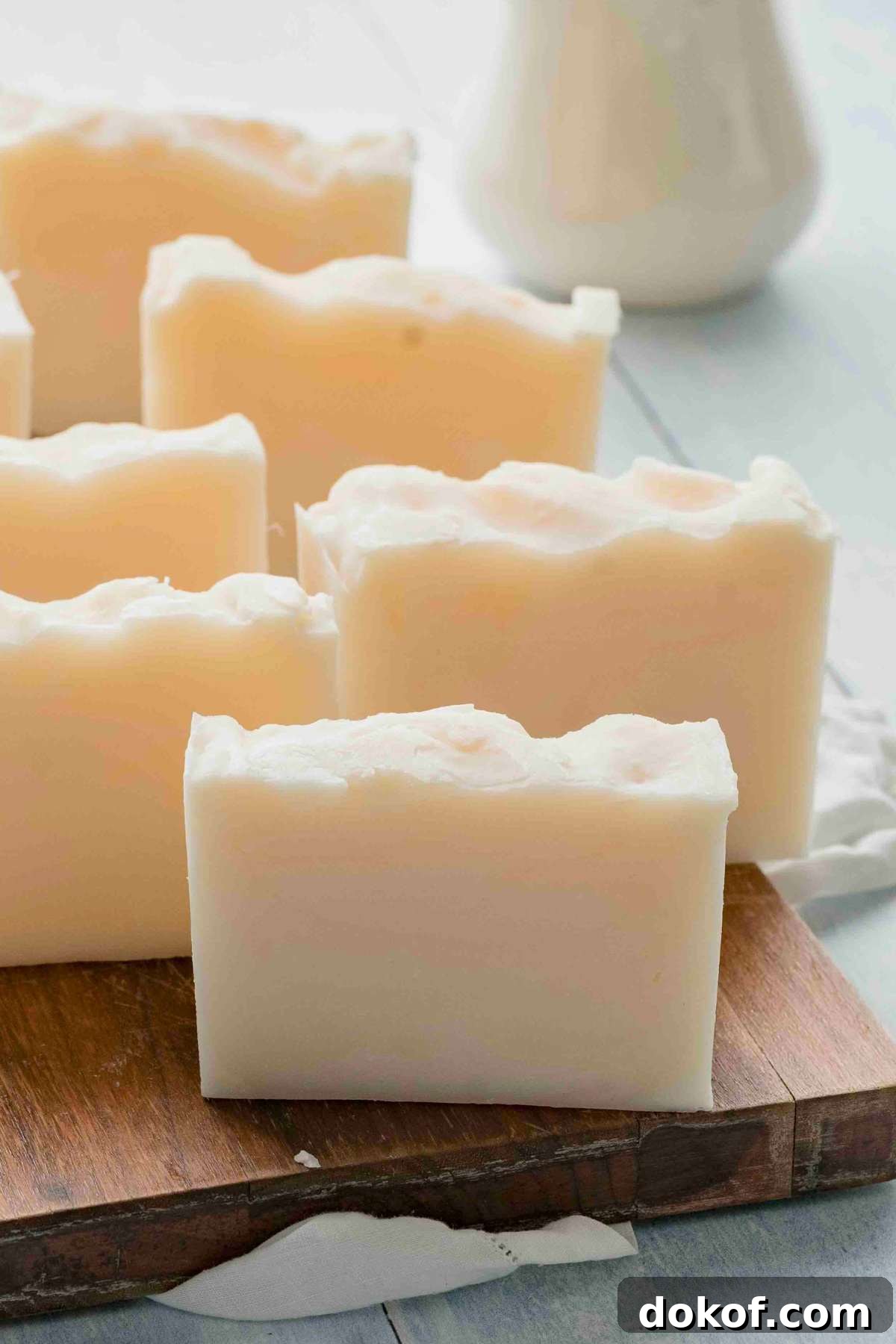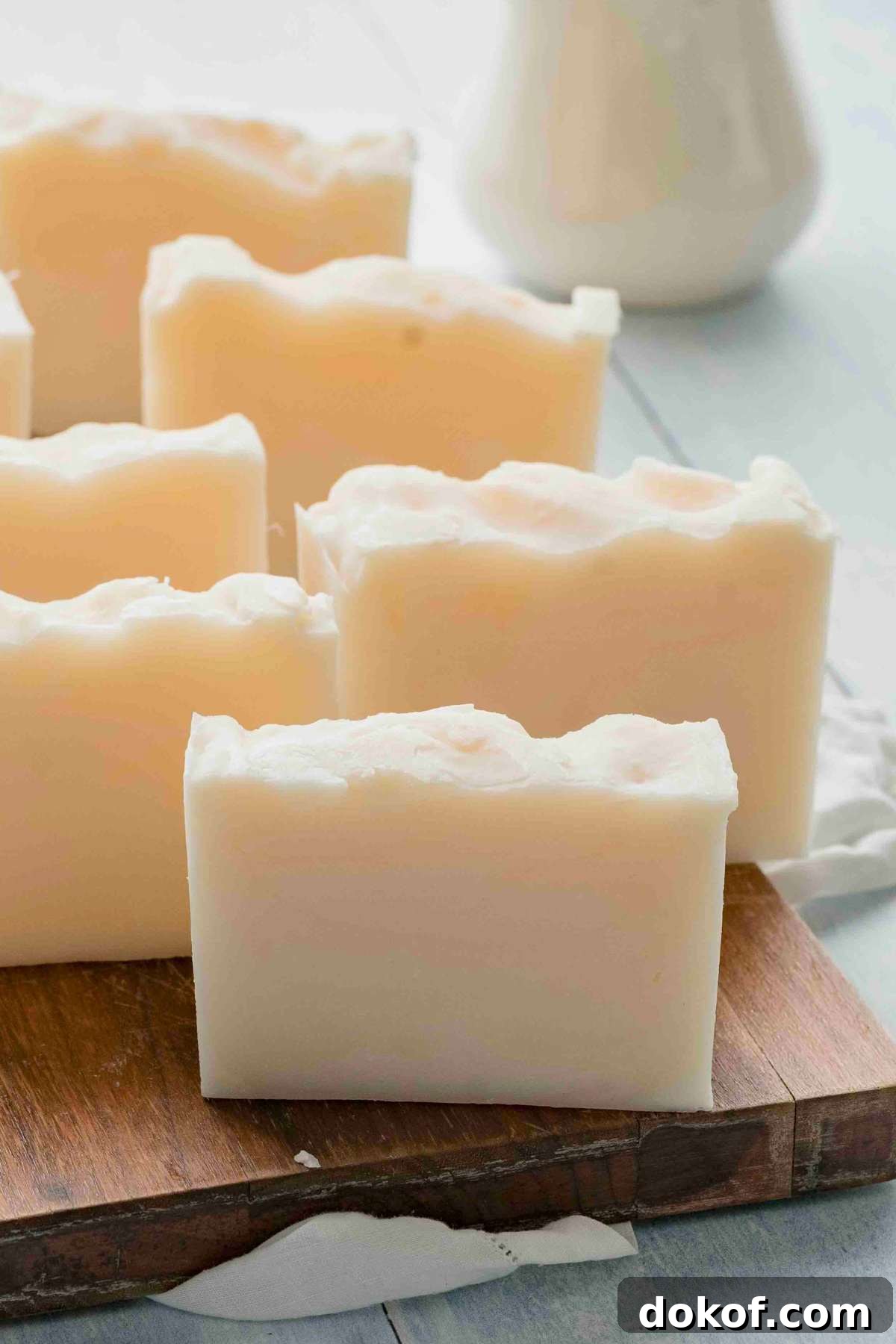
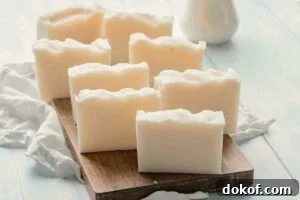
If you want a simple, nourishing bar, try this shea butter soap recipe. It’s an easy cold-process formula with a small number of oils, ideal for beginners and for anyone who wants a moisturizing, hard bar that leaves skin feeling soft.
Shea Butter Soap Recipe

Katie Shaw
Equipment
- Stick blender
- Safety gear (goggles, gloves, long sleeves)
- Digital scale
- Heatproof glass or stainless steel bowls and a large pot
Ingredients
- 11 ounces coconut oil
- 11 ounces olive oil
- 11 ounces palm oil
- 5 ounces shea butter
- 5.43 ounces lye (sodium hydroxide)
- 10–14 ounces water (I use 12 ounces)
- 3 tablespoons fragrance oil (adjust by scent strength)
Instructions
-
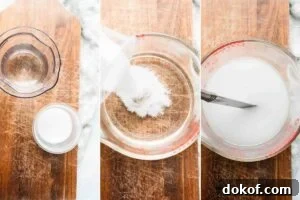
Make the lye water. Using a digital scale, measure lye and water in separate heatproof containers. Slowly add the lye to the water (never pour water into lye). Stir until dissolved. The mixture will heat quickly—place it in a well-ventilated, secure area to cool. Safety: wear gloves and goggles and keep children and pets away.

-
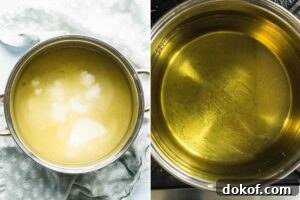
Melt the oils and shea butter. Measure coconut oil, olive oil, palm oil, and shea butter. Combine in a large stainless steel pot and melt over low heat until 130–140°F (54–60°C). Remove from heat and allow to cool.
-
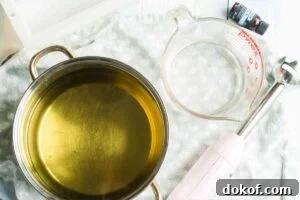
Check temperatures. After about 2 hours, the lye solution and oils should be around 110°F (43°C). A range of 100–120°F (38–49°C) is acceptable. If too warm, let them cool further until within range.
- Prep mold and mix-ins. Ready your mold and any fragrance or colorants. If using colorants, pre-dilute them in a bit of melted oil for even distribution.
-
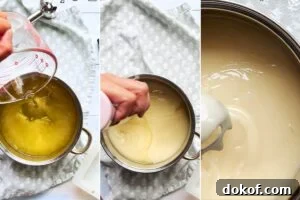
Stick blend to trace. Pour the cooled lye solution slowly into the oils. Use a stick blender to mix until a light trace—when a trail of batter briefly stays on the surface—usually about one minute. Add fragrance or color at this point and stir by hand until incorporated.
-
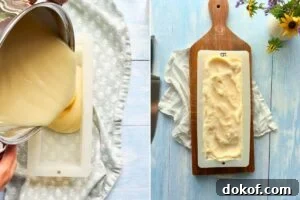
Pour into mold. Immediately pour the batter into your prepared mold and smooth the top. Leave uncovered and let the soap sit at room temperature for 24 hours.
-
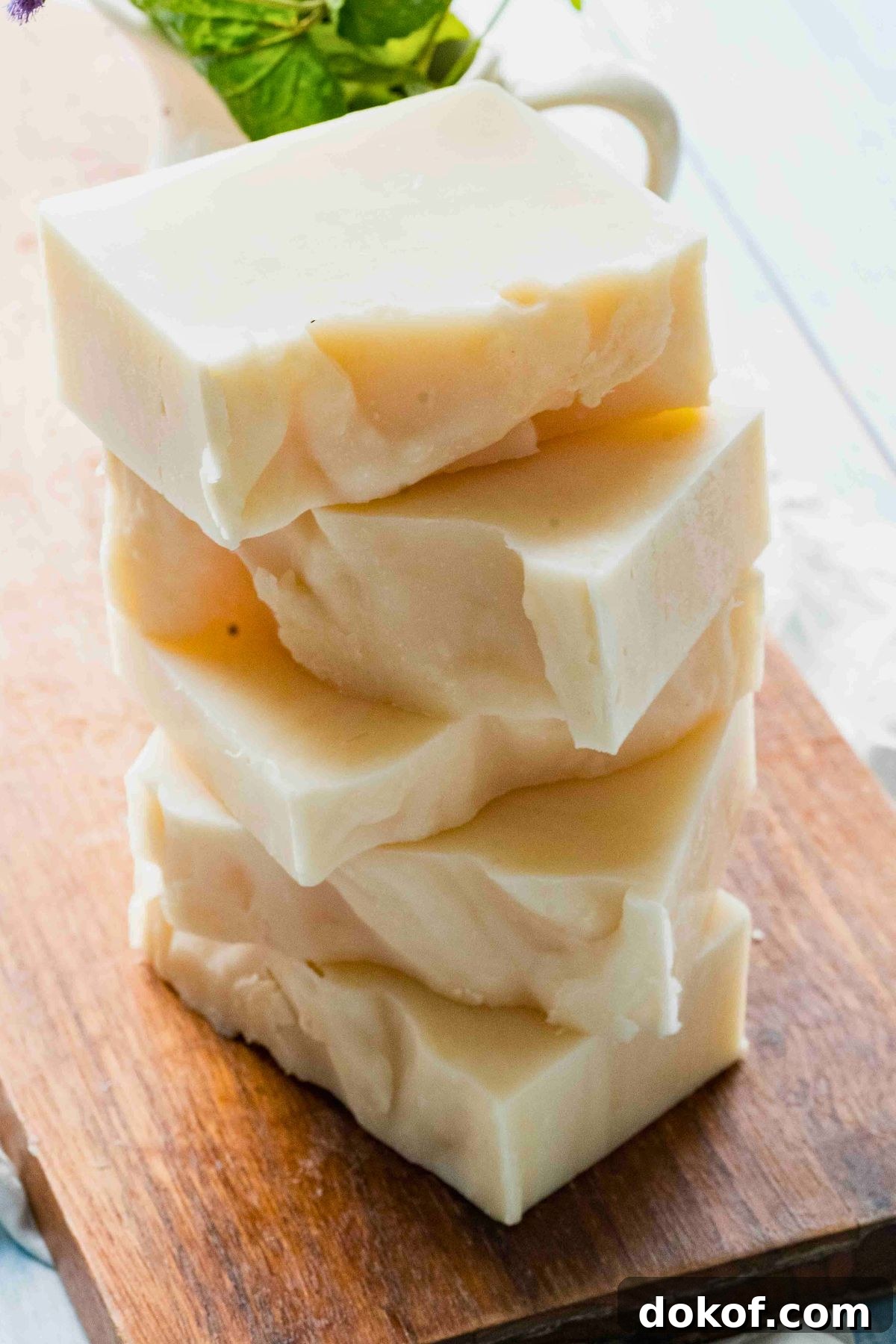
Unmold and cut. After 24 hours, unmold and cut into bars. Cure the bars in a well-ventilated area for at least 3 weeks before use to allow them to harden and mild saponification to finish.
Notes
Always wear safety gear when handling lye and soap batter. The lye solution can release fumes and cause burns if spilled—work in a ventilated area and keep it away from children and pets.
Use distilled water for more consistent results; tap water minerals can affect texture. Avoid over-blending to prevent an overly thick batter that is hard to pour. Aim for a light trace.
Don’t leave soap in the mold more than 24 hours or it may be difficult to cut. After cutting, allow bars to cure in a cool, dry place away from direct sunlight.
If using multiple fragrance oils, blend them together first for an even scent. Silicone molds are beginner-friendly because soap releases cleanly.
If you’re new to soapmaking, read a beginner’s guide before starting. Proper ventilation and safety precautions when working with lye are essential.
More Tips
To test trace, drizzle a little batter on the surface—if it leaves a faint line before sinking, it’s ready. Keep the workspace well ventilated when mixing the lye. Proper curing produces a harder, longer-lasting bar and a milder final product because excess water evaporates and saponification completes.
Sometimes a white powdery “soda ash” may form during curing. It’s harmless; spraying the top with 99% isopropyl alcohol right after pouring can help prevent it. Record batch details (temperatures, amounts, conditions) so you can reproduce successful results.
Key Ingredients and Tools
Essential items for this recipe:
- Lye (sodium hydroxide): required for saponification. Handle carefully and follow safety guidance.
- Shea butter: adds rich moisturizing qualities—raw, unrefined shea offers the best skin benefits.
- Stick blender: speeds blending to trace and ensures an even texture.
- Fragrance oils or essential oils: choose ones rated safe for soap use; essential oils will usually give a subtler scent.
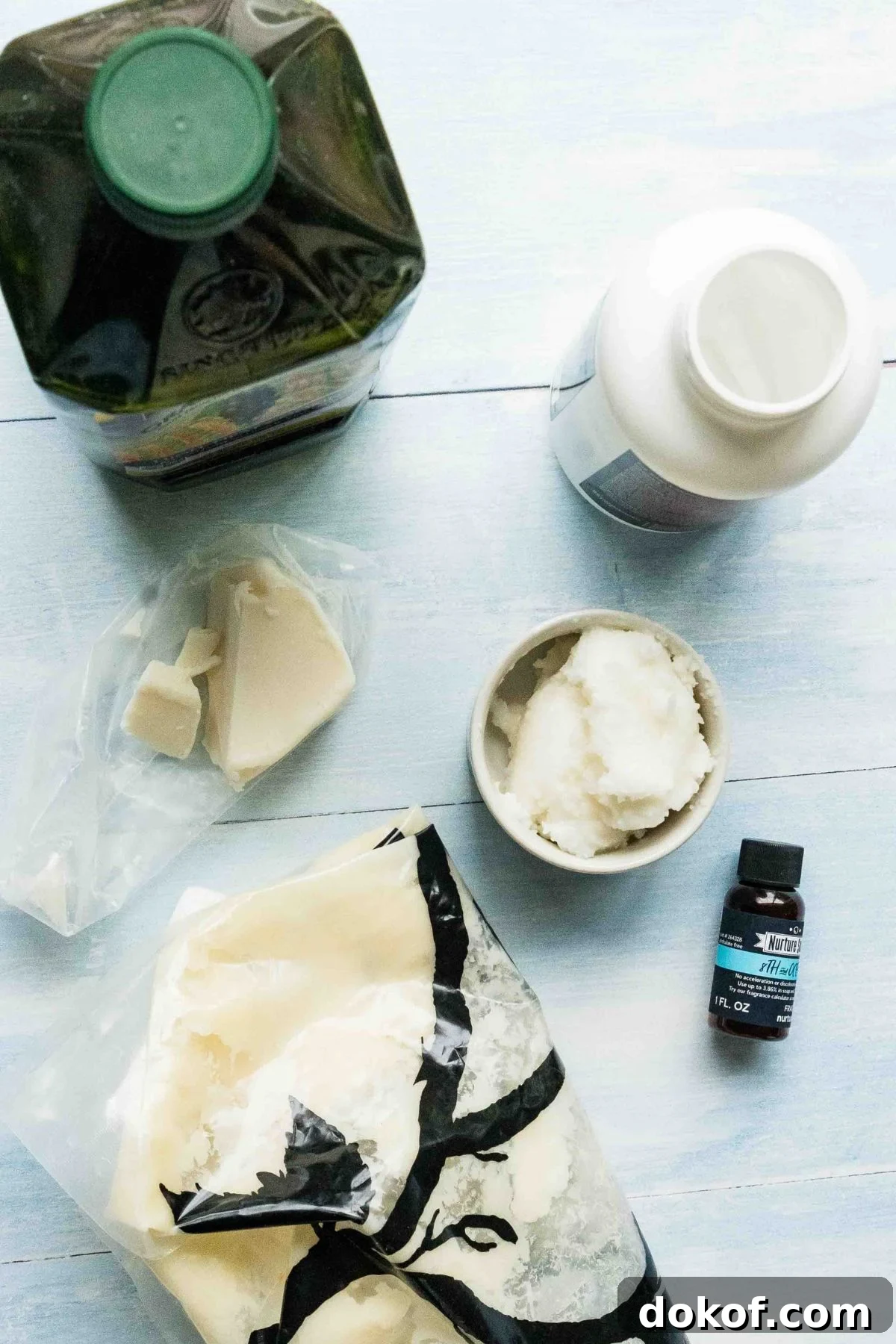
Ingredient swaps: babassu or palm kernel oil for coconut oil; rice bran or sunflower for olive oil; mango or cocoa butter for shea (these will change hardness and feel). Essential oils are a natural alternative to fragrance oils but may be less intense.
Troubleshooting and Help
No—lye is essential for cold-process soap. If you don’t want to handle lye, use a melt-and-pour soap base that’s already saponified.
Using soap too soon results in a softer bar that won’t last as long. Curing allows excess water to evaporate and the bar to harden, improving longevity and mildness.
Yes—mango or cocoa butter can substitute, but they will alter the soap’s texture and moisturizing qualities.
Trace is reached when the batter thickens enough that a drizzled line briefly remains on the surface before sinking. With a stick blender it often takes about a minute—avoid over-blending.
Yes—add them after reaching trace and before pouring. Use finely ground exfoliants so they’re gentle on skin.
Making shea butter soap is straightforward and rewarding. With a few basic ingredients, proper safety, and patience during curing, you’ll have moisturizing bars perfect for daily use or thoughtful gifts. Give it a try and enjoy customizing scents, colors, and mix-ins to create your ideal soap.