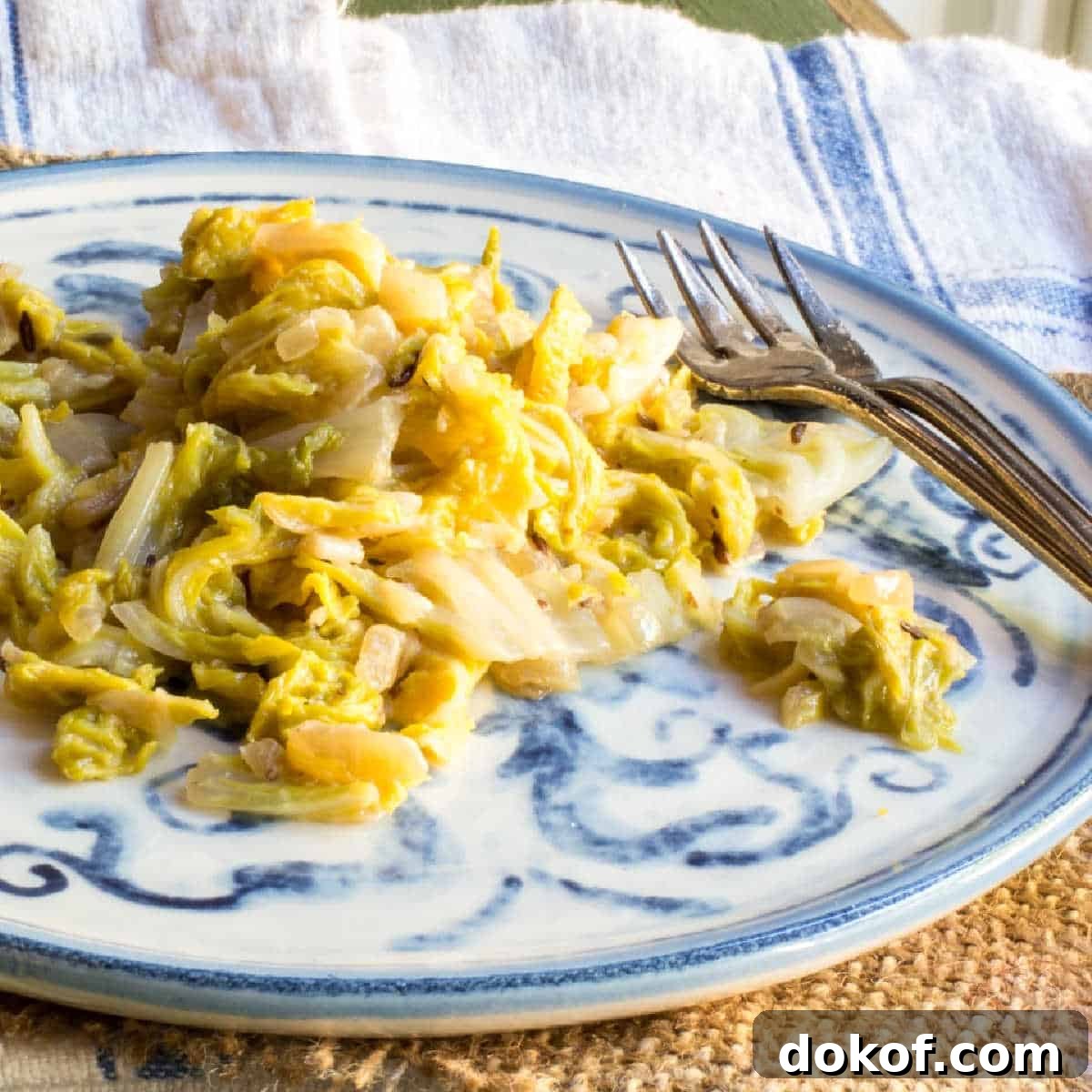
This is no ordinary braised cabbage. With French-inspired flavors—butter, onion, white wine, mustard and a touch of cream—this dish feels elevated yet comforting. My honest advice: double the amount you think you’ll need. It often disappears fast.
A short video demonstrating the method is included in the Recipe Card below.
⭐️⭐️⭐️⭐️⭐️ Reader Review: “I had a lot of cabbage to use up and wanted to try something new. This was super easy and came out lovely! I really like how putting the cabbage in in two parts gives it more texture, and all the flavors are just perfect.” ~JJ
Jump to Recipe
To help you get this right the first time, consult the Table of Contents in the post to find the sections most useful for you.
Cabbage is versatile and nutritious. Eat it raw for crunchy slaws and salads, ferment it into kimchi or sauerkraut, roast it as thick “steaks,” or braise it for a tender, flavorful side dish. This French-style braised cabbage is elegant enough for company yet simple enough for weeknights.
👩⚕️ Is cabbage good for you?
Yes. Cabbage may look plain, but it’s nutritionally dense. It’s a low-carb vegetable rich in vitamin C, fiber and antioxidants, and it supports digestion and inflammation control.
- Half a cup of cooked cabbage provides a substantial portion of daily vitamin C and contributes fiber to help you feel full.
- Red (purple) cabbage offers especially strong nutritional benefits per serving.
- Cabbage is high in antioxidants that support digestion and reduce inflammation.
- With about 2 grams of net carbs per cup shredded, cabbage can fit well into lower-carb diets.
🧅 Ingredient Notes
Small choices in ingredients make big differences. Using pantry-ready items and a few make-ahead staples speeds preparation and keeps the dish consistent.
Full ingredient amounts and step-by-step directions are in the Recipe Card at the bottom of this page.
- Head of cabbage – Savoy is ideal for this recipe; green or Napa will also work. Avoid red cabbage here—its sweetness pairs better with vinegar-based preparations.
- Yellow onions – their flavor melds best with the braise; I don’t recommend white, sweet or red onions for this dish.
- Vegetable stock – use a concentrated paste or a good store-bought/homemade broth for depth of flavor.
- White wine – any dry white works well to deglaze and add brightness.
- Cream – heavy cream or half-and-half adds richness at the end.
- Mustard – Dijon gives a clean tang that complements the cream and cabbage.
This recipe uses Savoy cabbage. If you’re unsure which type to buy, consult available guides for tips on selecting and storing cabbage and how to use the different varieties in cooking.
🫕 What is braised cabbage?
Braising is a gentle, slow-cooking method that softens sturdy vegetables by cooking them partially submerged in a flavorful liquid in a covered pan. It yields tender, concentrated vegetables and a sauce that carries the dish’s seasonings.
Braised cabbage usually involves cooking wedges or ribbons in fat and liquid with a lid on, allowing the leaves to become tender while absorbing flavor from the aromatics and cooking liquid.
Braising differs from sautéing, which uses only a little oil, and from stewing, where ingredients are fully submerged. For vegetables, keep the liquid level to around one-third of the vegetable height in the pan.
👩🍳 What is a braiser?
A braiser is a wide, heavy-bottomed pan with taller sides than a skillet and a lid—often enameled cast iron—designed for even, low-heat cooking. If you don’t have a braiser, a Dutch oven or any deep skillet (at least 2″ sides) will work.
🥬 What kind of cabbage is best for braising?
Savoy, green and red (purple) cabbages are sturdy enough to stand up to braising. Napa cooks faster and is more delicate—use lower heat and a shorter cook time to avoid mushiness.
📝 How to Make French Braised Cabbage
See the Recipe Card below for exact measurements. Here’s a concise overview of the process:
Step 1
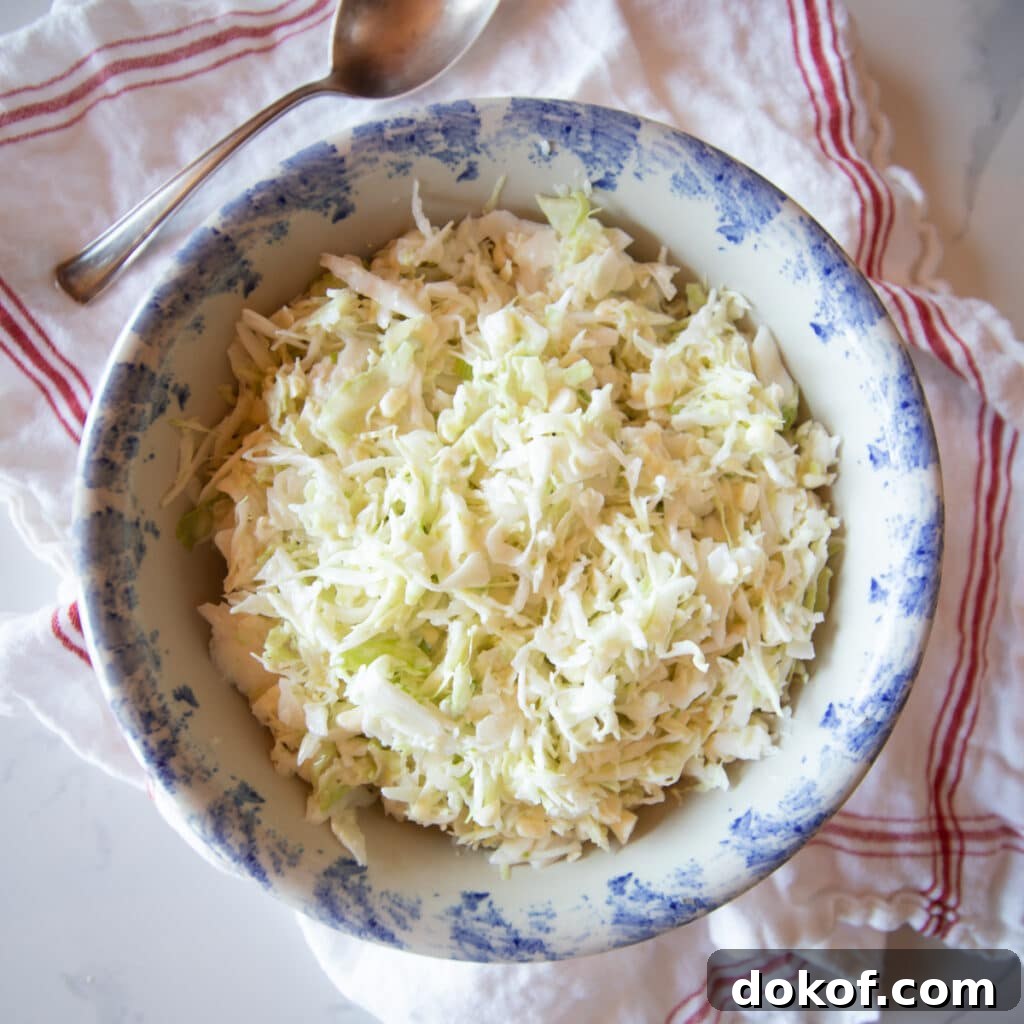
Prep. Dice the onion and thinly slice the cabbage with a sharp knife.
Step 2
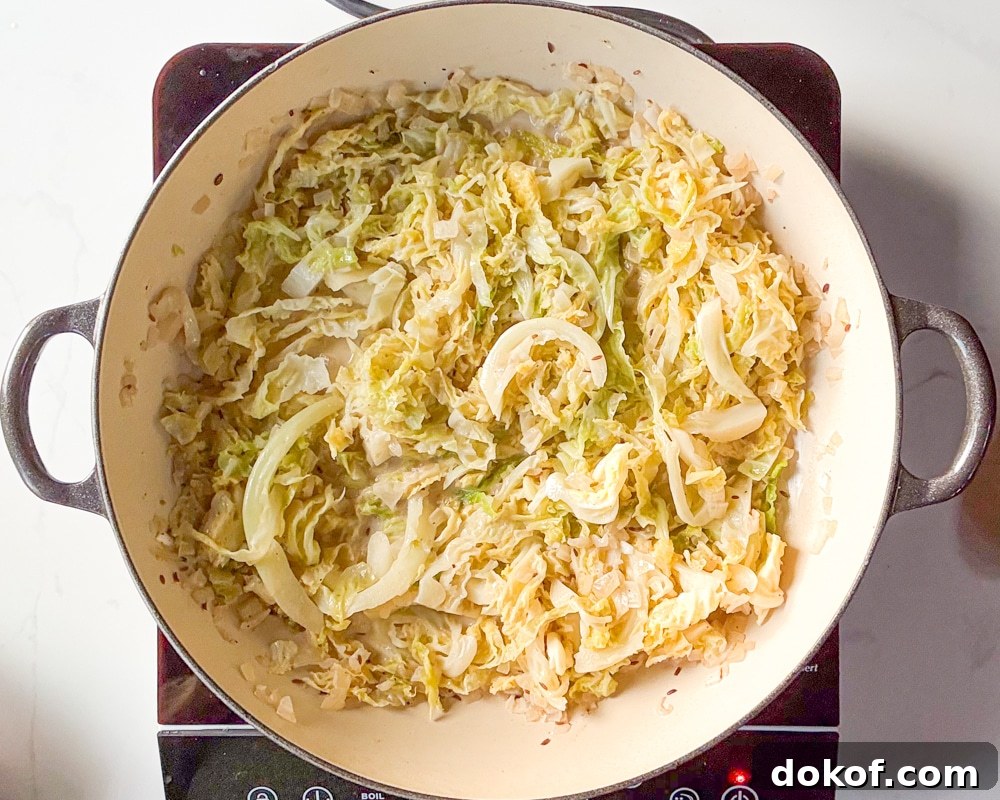
Sauté. Cook the onion with butter and caraway seeds until very soft. Add two-thirds of the cabbage, toss to coat, and cover until it wilts.
Step 3
Simmer. Add broth and wine, cover, and simmer gently. Add the remaining cabbage, replace the lid, and continue until everything is tender.
Step 4
Finish. Whisk cream with Dijon mustard and stir into the cabbage for a silky, flavorful finish. Adjust seasoning and serve warm.
👩🍳 Cooking Tips
- Add the cabbage in two batches to preserve textural contrast—some pieces will be silkier while others keep more bite.
- Avoid frequent stirring; keeping the lid on and a steady low heat preserves the braise and keeps the temperature consistent.
🤷♀️ FAQ
Red cabbage is great for braising, but its sweeter flavor pairs better with acidic ingredients like apple cider vinegar rather than with cream.
Refrigerate leftovers in an airtight container for up to 3 days. Reheat gently on the stovetop until warmed through.
I don’t recommend it for Savoy or Napa cabbage, whose delicate, frilly leaves can tear. A sharp chef’s knife gives the cleanest, most consistent slices.
❤️ More Cabbage Dishes
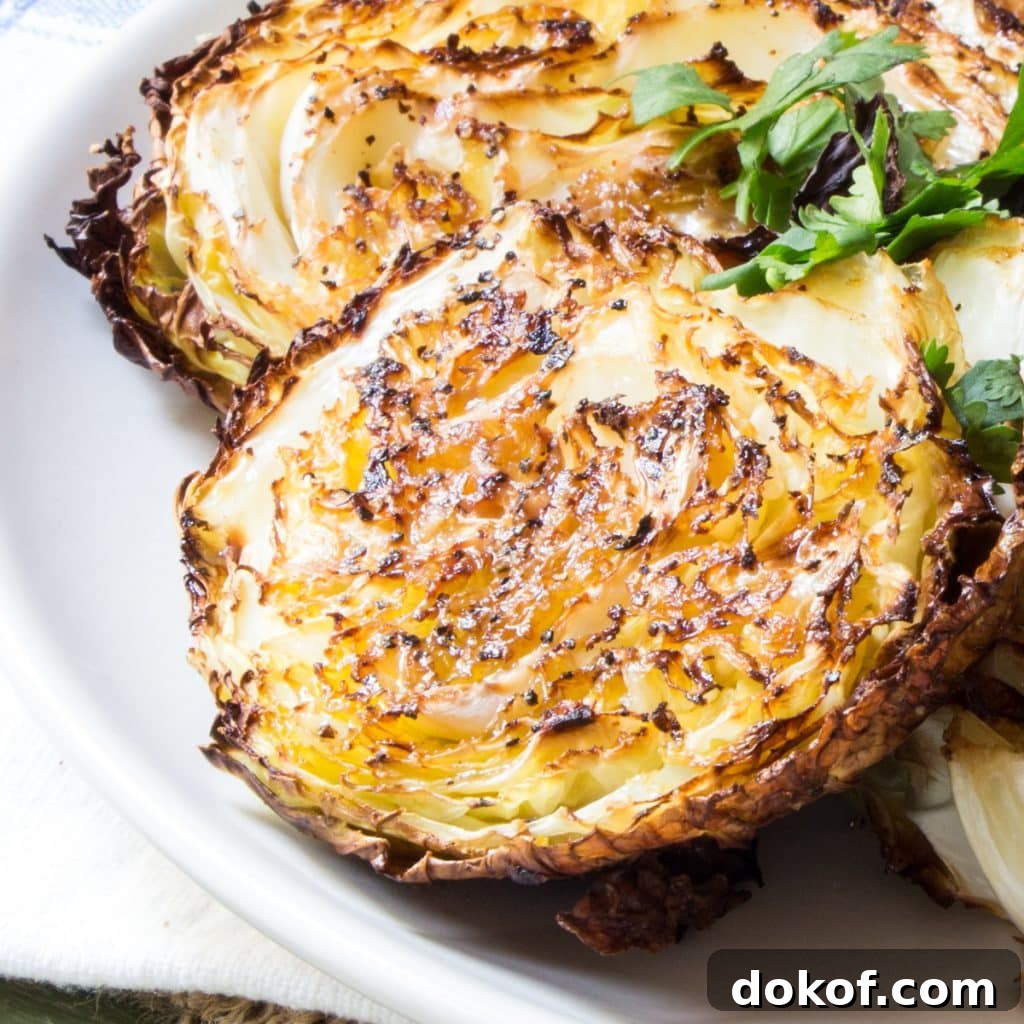
Try these other cabbage recipes next time: Garlicky Roasted Cabbage Steaks, Citrus Salad with Cabbage, or Old-Fashioned Buttermilk Coleslaw.

Best Ever French Braised Cabbage Recipe with Savoy
Video
Equipment
- Chef’s knife
- Braiser with a lid (or Dutch oven / deep skillet)
- Wooden spoon
- Whisk
- Small mixing bowl
Ingredients
- 1 cup finely diced yellow onion (about ½ of a large onion)
- 6 cups thinly sliced Savoy cabbage, divided
- 2 tablespoons unsalted butter
- 1 teaspoon kosher salt
- ½ teaspoon caraway seeds
- ¼ teaspoon black pepper
- ¼ teaspoon concentrated roasted vegetable bouillon (or equivalent broth)
- 2 tablespoons white wine
- 2 tablespoons heavy cream
- 1 teaspoon Dijon mustard
Instructions
- Prep. Dice the onion. Remove any tough outer leaves from the cabbage and slice the head into thin ribbons about ¼” thick.
- Sauté. Melt the butter in a braiser or large deep skillet over medium heat. Add the onion, caraway seeds, salt and pepper. Cook, stirring occasionally, until the onion is very soft and starting to meld with the butter. Add 4 cups of the cabbage, toss to coat, then cover and cook over low heat until the cabbage wilts.
- Simmer. Add ¼ cup water (or a mix of water and broth), the bouillon paste, and the white wine. Cover and simmer gently for about 10 minutes or until tender. Add the remaining 2 cups of cabbage, replace the lid and continue cooking until all the cabbage is soft. If needed, add more broth (use about ¼ teaspoon bouillon per ¼ cup water to season).
- Finish. Remove the lid and cook until most of the braising liquid has reduced. In a small bowl, whisk together the cream and Dijon mustard, then stir into the cabbage. Taste and adjust seasoning.
- Serve. Serve warm as a side dish.
Notes
Equipment Notes
- If you don’t have a braiser, a Dutch oven or any skillet with at least 2″ high sides will work. Taller sides encourage steaming and braising rather than shallow frying.
Ingredient Notes
- Onions: Yellow onions give the best savory base for this recipe.
- Cabbage: Savoy is preferred for texture; Napa cooks fastest and becomes delicate, while standard green needs a bit longer. Avoid red cabbage for this cream-and-mustard version.
- Kosher salt: Different brands vary in flake size. Adjust to taste.
- Vegetable stock: Concentrated paste or a good-quality broth works best; adjust salt if your broth is low sodium.
- White wine: Any dry white, such as Sauvignon Blanc, adds bright acidity.
- Cream: Heavy cream or half-and-half will produce the right richness; milk is too thin.
- Mustard: Dijon provides a clean, tangy finish.