Last week’s highlight was our class field trip. On Thursday morning we drove about 50 miles west of Washington, DC to Upperville, Virginia for a tour of Ayrshire Farms.
Ayrshire Farms spans more than 800 acres and raises organic, certified-humane heritage beef, pork, poultry, and veal. The property is also known for horse-and-carriage activities. The day was beautiful and the farm tour was genuinely impressive.
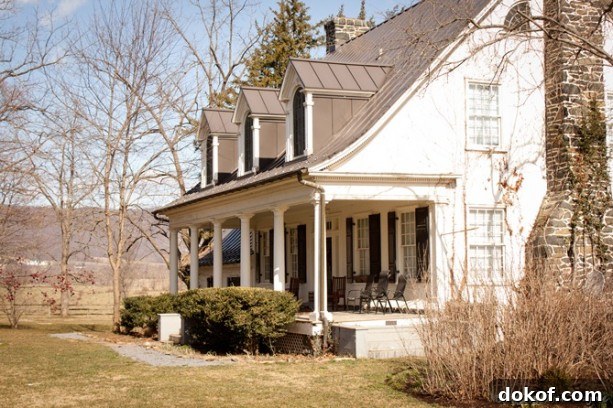
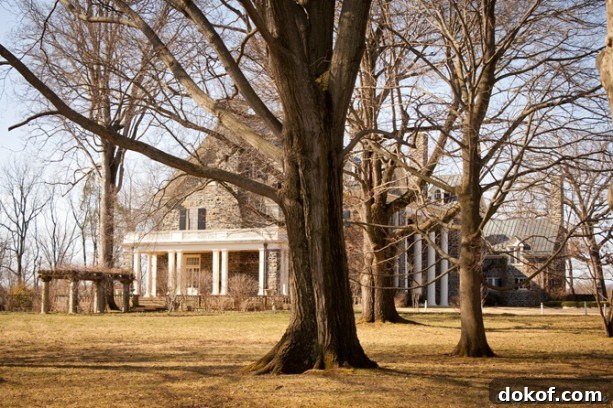
The main house was built in the early 1900s and reputedly contains an incredible kitchen filled with an antique wood stove and copper cookware. Although we didn’t go inside the mansion, the farm itself offered plenty to see and imagine.
The stables are remarkable — they resemble a French chateau and even have chandeliers. The horses clearly live well on the property.
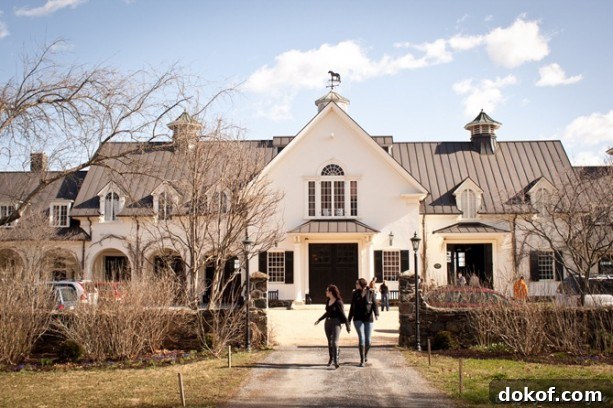
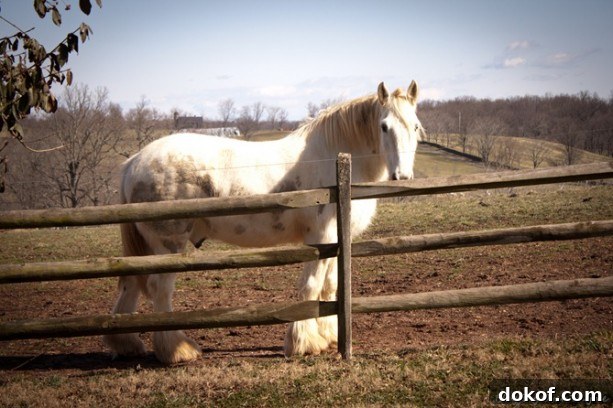
After gathering as a group and exploring the carriage-filled stables, we began the main tour. Ayrshire sells most of its products through a local organic grocery chain called MOM’s and supplies meat to top restaurants in D.C., including Harth and Restaurant Nora.
The farm is now open to the public only a few times a year, which made this visit extra special.
Our first stop was the pig area. These Glouchestire Old Spots are a rare breed, known for their spotted coats, gentle temperaments, and large ears.
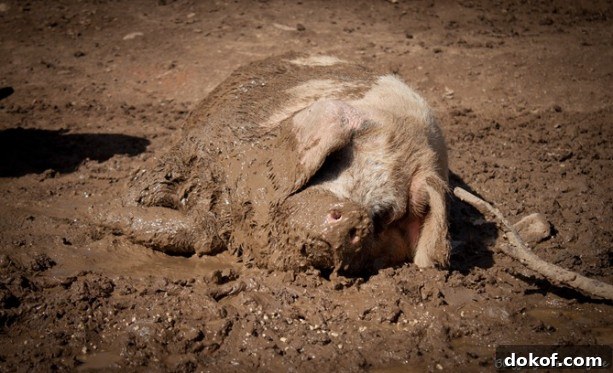
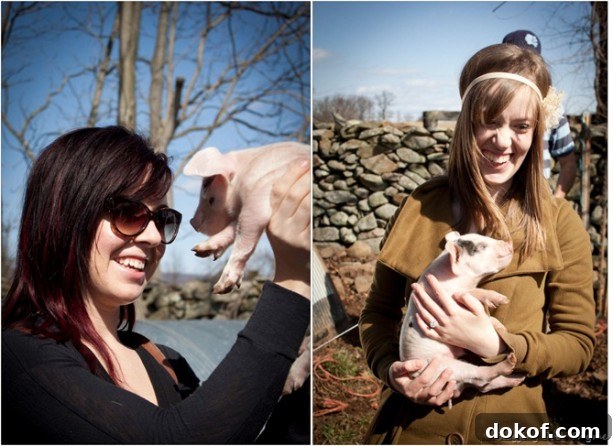
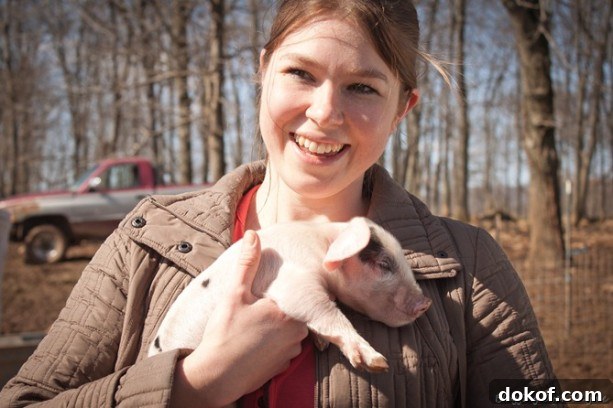
We only saw sows and piglets—adorable, amusing, and yes, a bit stinky. Everyone in our group was taking photos; the piglets were irresistible.
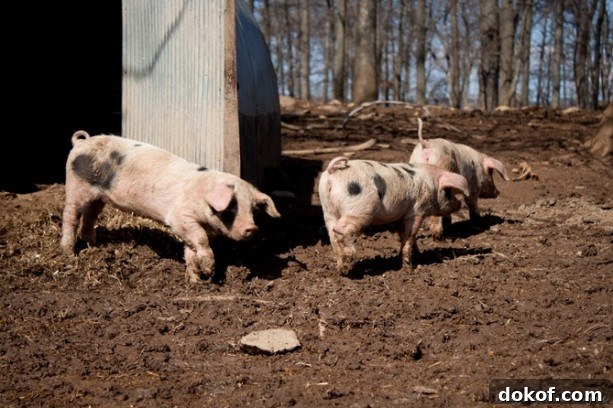
The pigs roam freely across their paddocks; a thin electrified rope marks the boundary. They seemed content and well cared for, and we were delighted to be there.
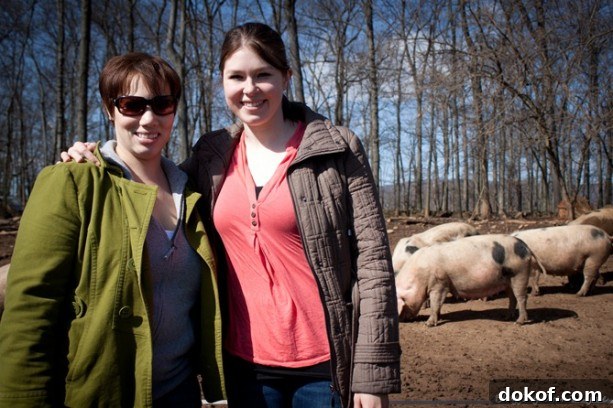
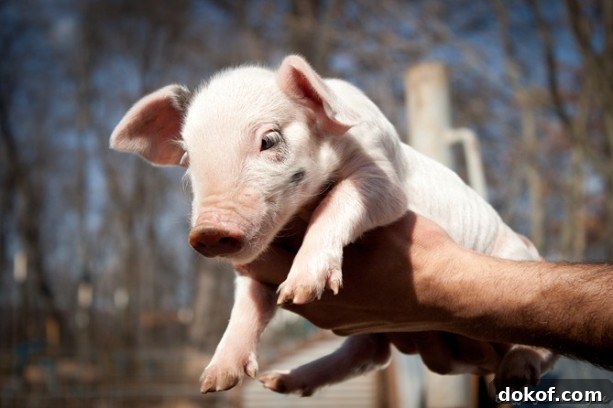
At one point the caretaker let us hold a newborn piglet that was only about 24 hours old. It still had its umbilical cord attached—an unforgettable moment. Several classmates nicknamed the tiny piglet “Prosciutto,” reflecting the culinary humor in our group.
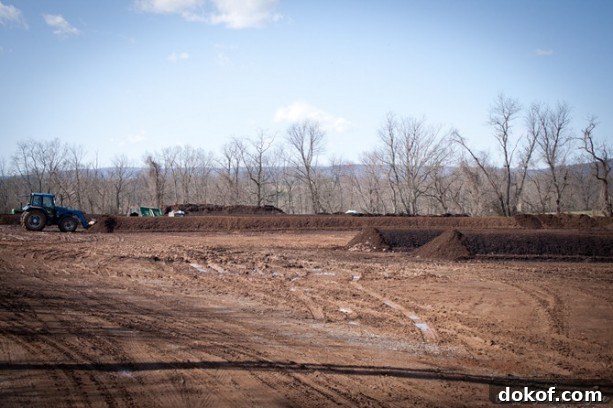
We also toured the farm’s extensive compost system. Ayrshire aims for sustainability, composting everything from manure to kitchen waste and even animals that die of natural causes. The scale and organization of the compost operation were impressive.
The hens were curious and energetic, hopping up on the fence to greet us. Their coop is a spacious, tarp-covered structure that lets in sunlight and allows them to go outside to forage, eat bugs, and enjoy the pasture—very different from industrial setups.
Ayrshire maintains a farm store in downtown Upperville where they sell their meats and fresh eggs. I bought a dozen eggs ($6.99), which felt like a worthwhile purchase after seeing how well the animals are treated. The eggs were delicious.
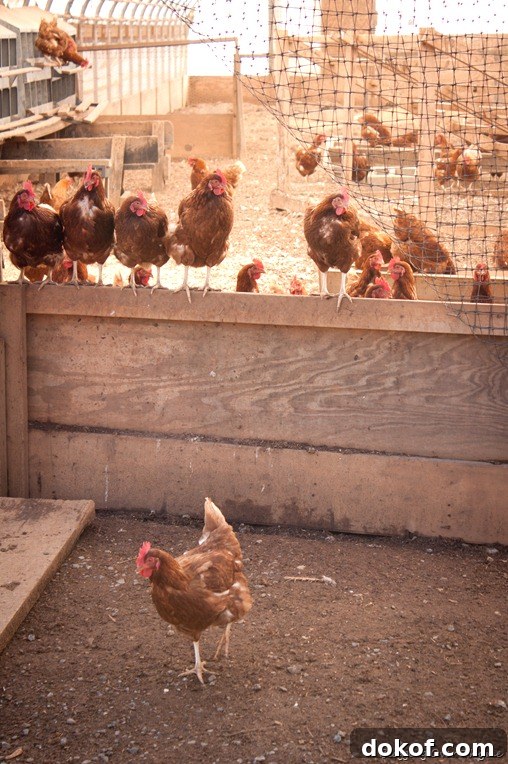
Due to USDA regulations, Ayrshire’s beef and pork are processed at a nearby certified facility, while poultry is slaughtered on site. We visited the poultry processing area and found it clean and professional. Chickens are removed from their coops about an hour before processing to reduce stress and are rendered unconscious in a controlled, humane manner.
The guide who presented the poultry operation was knowledgeable and clearly passionate about animal welfare and producing quality products. Their commitment to respectful, humane treatment was evident throughout the tour.
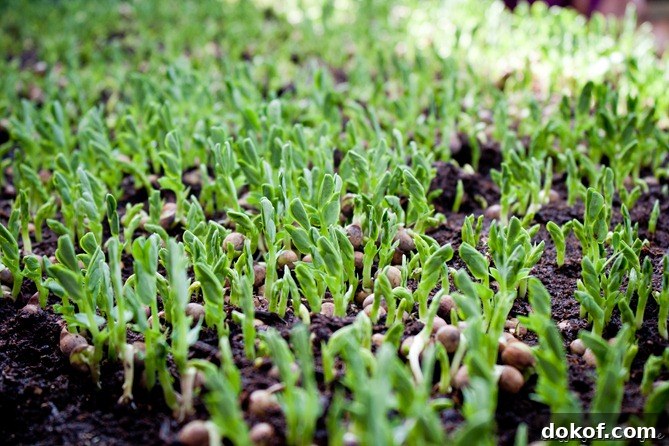
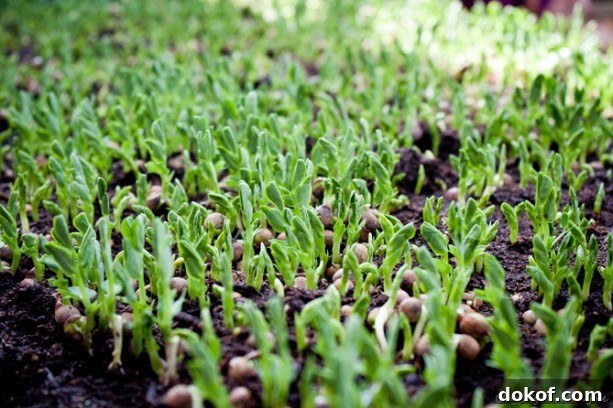
In addition to livestock, Ayrshire grows vegetables—mainly microgreens—for local restaurants and the farm’s store. We toured the greenhouses and saw how those greens are cultivated.
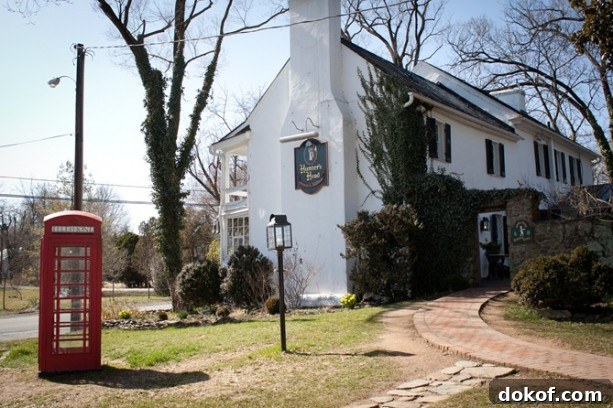
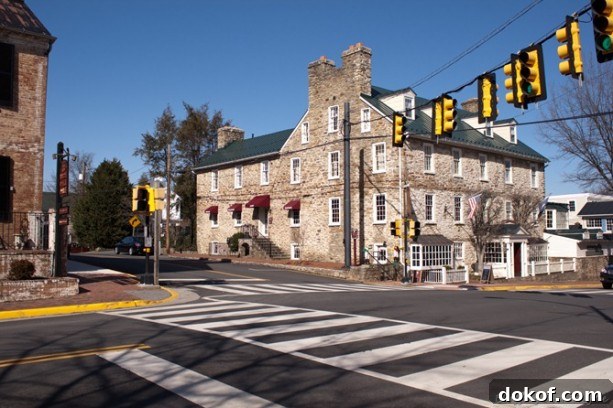
The farm also supplies food to its on-site restaurant, Hunter’s Head Tavern, which serves traditional Scottish and English dishes such as shepherd’s pie, bangers and mash, and chicken pot pie—all made with farm ingredients. After the tour we ate lunch there and sampled several dishes.
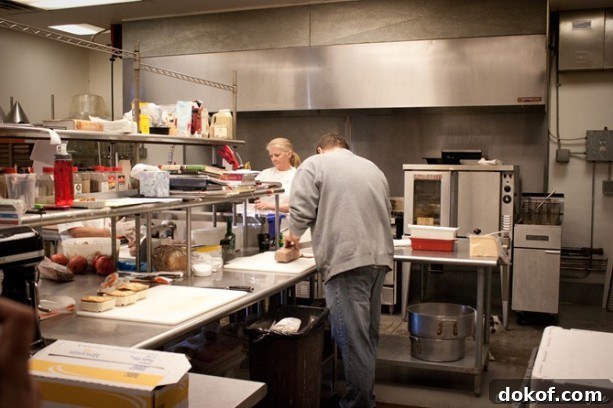
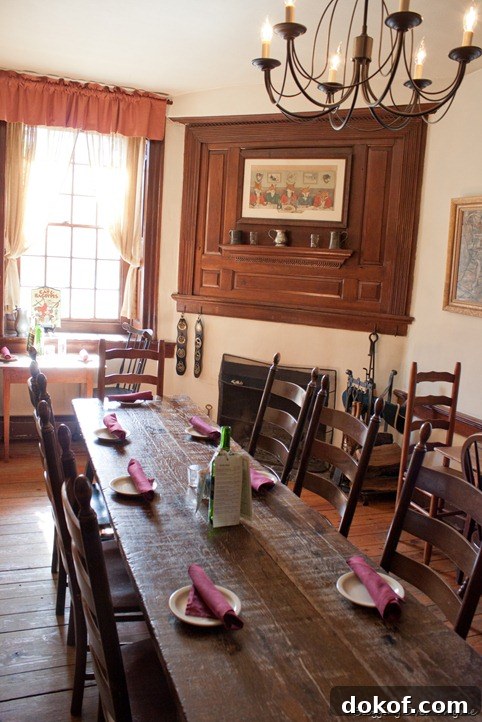
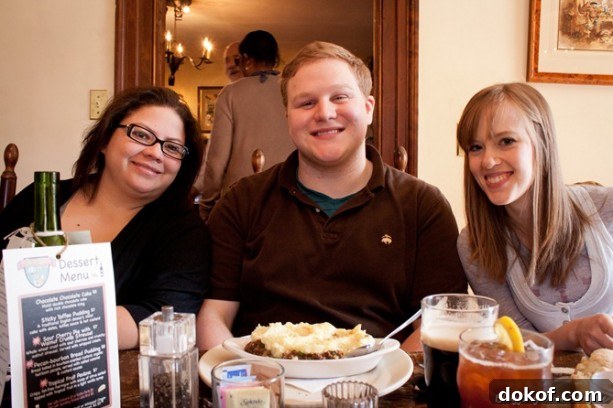
The restaurant felt authentically rustic and cozy, much like the pubs I’ve visited in England. Because our group was large, we had a private room and shared many menu items so everyone could try different dishes.
I ordered a Classic Chicken Caesar to showcase the farm’s chicken, which is brined before sale to keep it moist and flavorful. The dish was excellent, and I also enjoyed tastes of classmates’ choices, including bangers and mash.
Overall, the trip was memorable and timely as our Phase I semester draws to a close. The farm’s humane practices, sustainable systems, and the chance to connect with classmates outside the classroom made it a day worth remembering. The mild, sunny weather helped too.