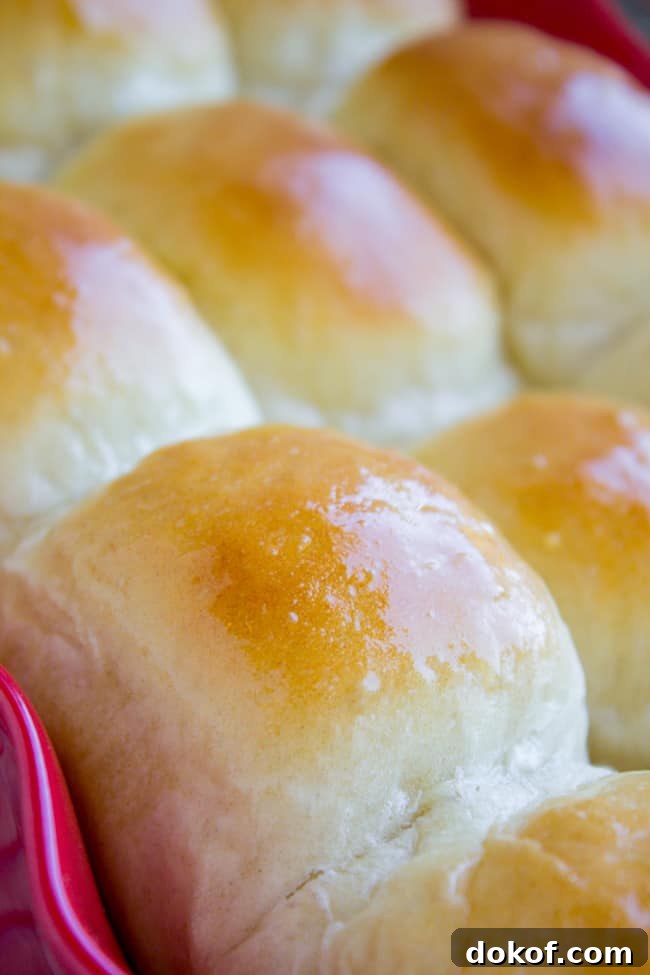
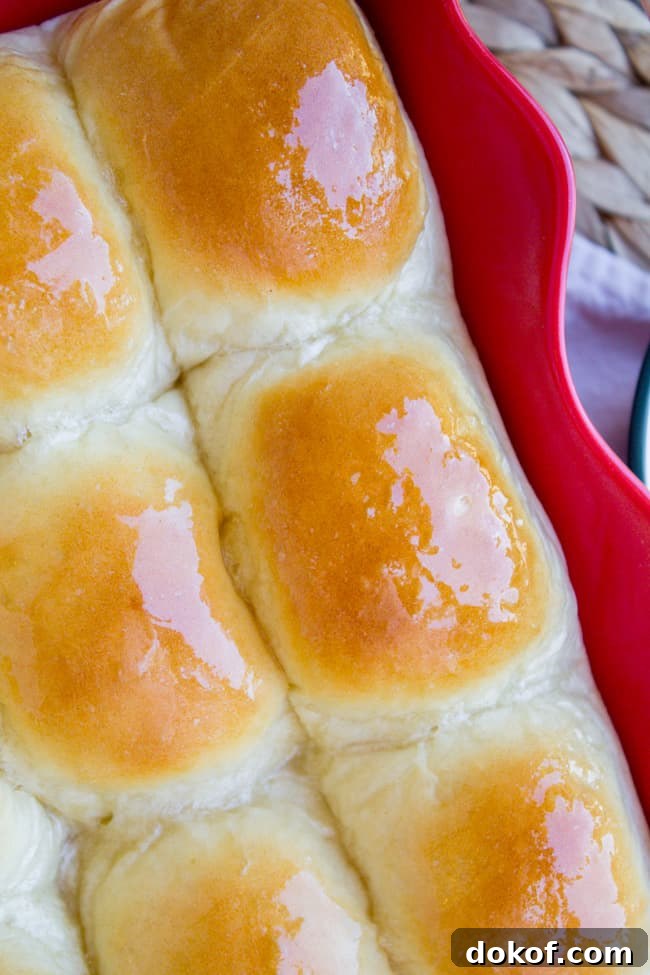
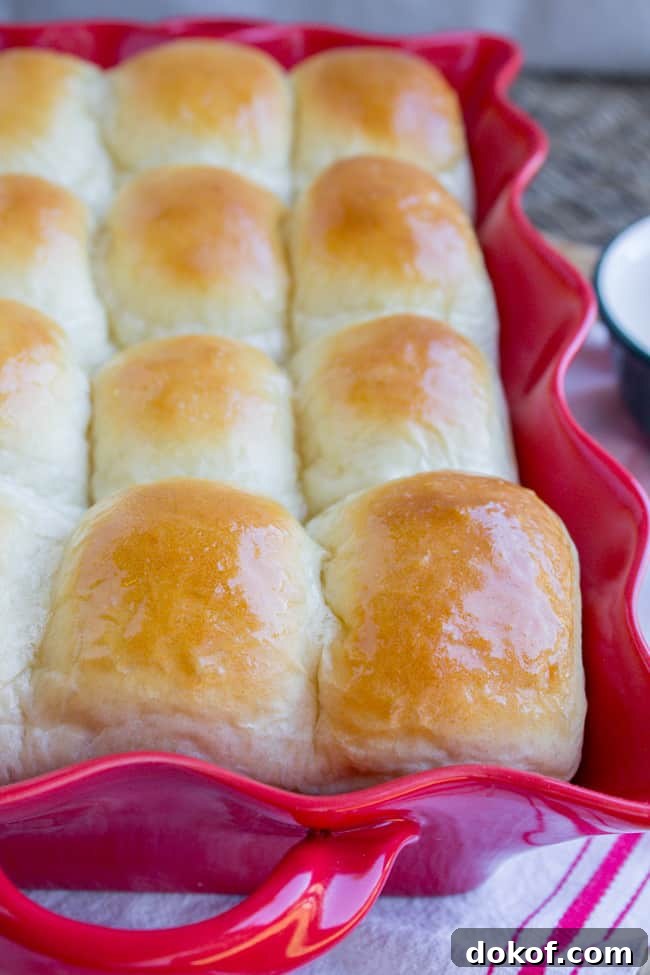
These buttery homemade dinner rolls are incredibly light, fluffy, and packed with rich buttery flavor. They’re so good you might skip dinner and eat the whole batch. This is my Aunt Shirley’s famous roll recipe. Originally published June 14, 2016.
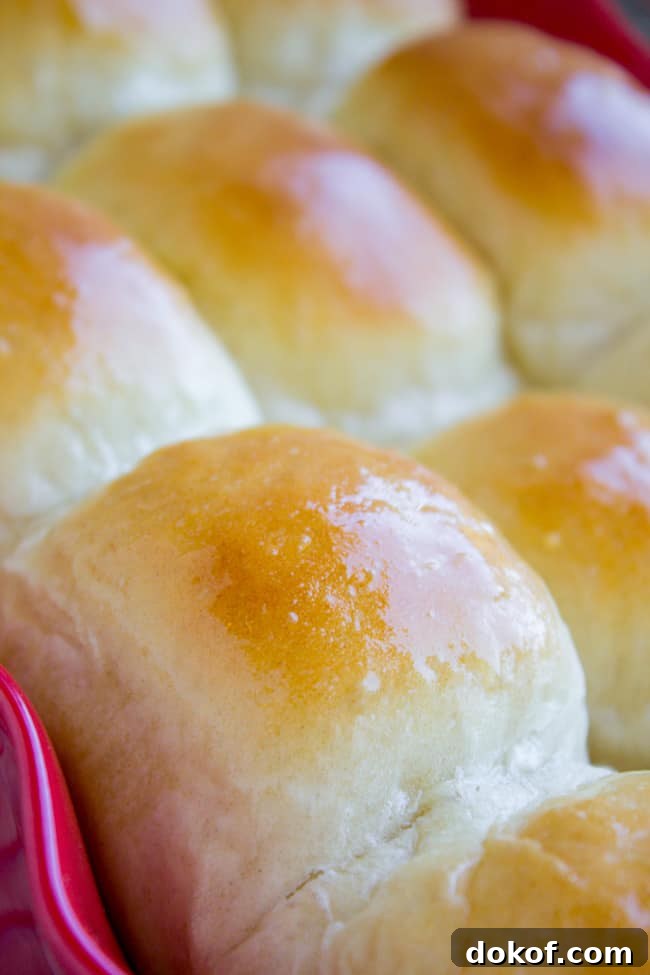
Table of Contents
- What makes these the Best Dinner Rolls
- Dinner Roll Recipe ingredients
- How to make dinner rolls
- How to serve the Best Dinner Rolls
- How to store Homemade Dinner Rolls
- Dinner Rolls Recipe FAQs
- Homemade Dinner Rolls Recipe
Today’s post features all kinds of buns — the yeasty kind and a little family news too.

Yes — we’re expecting baby number three (this was the 12-week ultrasound). My husband Eric and I are thrilled. The kids have opinions: Charlotte wants a girl and Truman wants a boy. We’ll know soon.
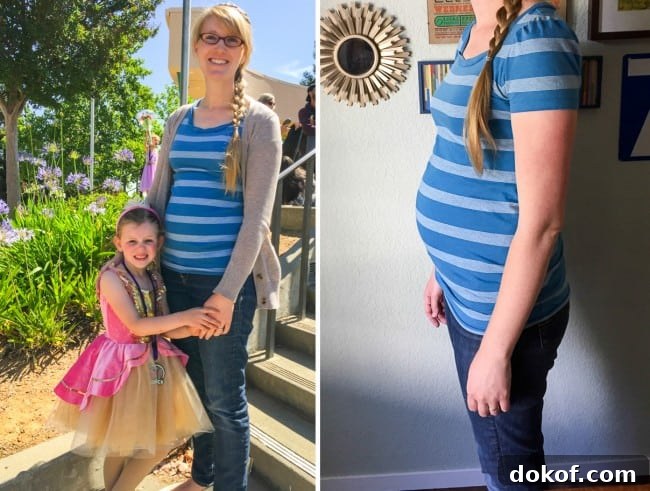
I’ve been quiet on the blog for the last couple of months because my first trimester was rough. The smallest thought of food made me nauseous, so I survived mostly on milk and cereal. As food is my work, that forced a pause and explains the radio silence at The Food Charlatan.
Thankfully I’m feeling much better now. We’re due November 8 and have a family trip being moved around because of the timing — lesson learned: don’t schedule big trips too close to your due date!
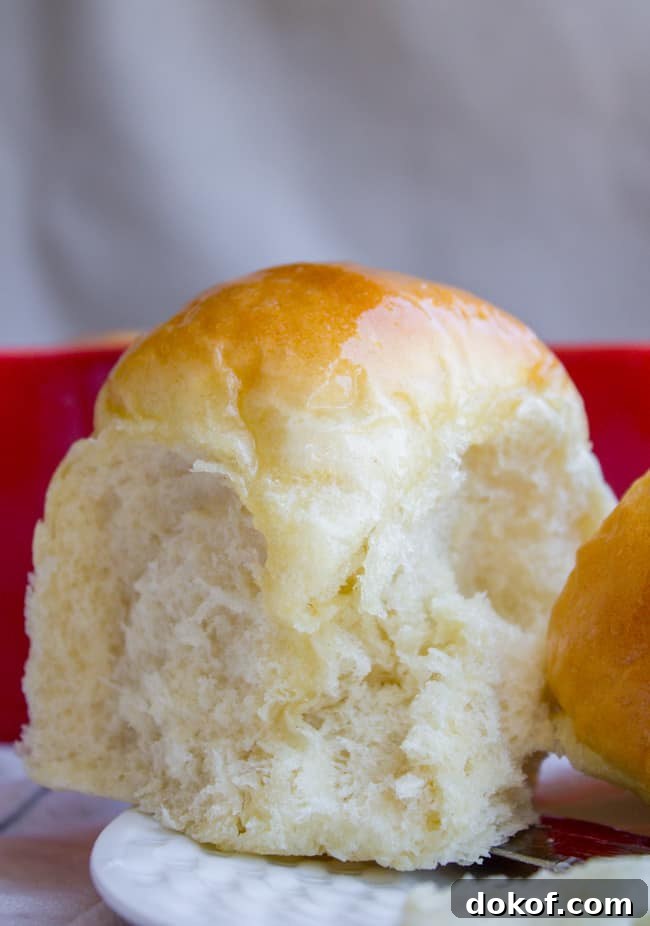
Back to the important stuff: the rolls. My cousin Amber brought her mom’s dinner rolls to Easter and I literally ate nothing else. These rolls use a generous amount of yeast — two full tablespoons — which helps create that soft, airy texture. Aunt Shirley’s original recipe uses butter-flavored shortening for extra tenderness, though real butter will also work.
What makes these the Best Dinner Rolls
These rolls stand out because they’re enriched with milk, sugar, and shortening, which keeps them tender and soft. The high yeast content and proper proofing deliver a light, airy crumb. They’re buttery, pillowy, and perfect for holidays or any family meal.
Dinner Roll Recipe ingredients
Quick shopping list — see the recipe card further down for exact amounts and detailed instructions.
- Active dry yeast
- White sugar
- Milk
- Kosher salt
- Butter-flavored shortening (or butter)
- Egg
- All-purpose flour
- Butter (for brushing)
How to make dinner rolls
Follow these steps for successful, fluffy rolls.
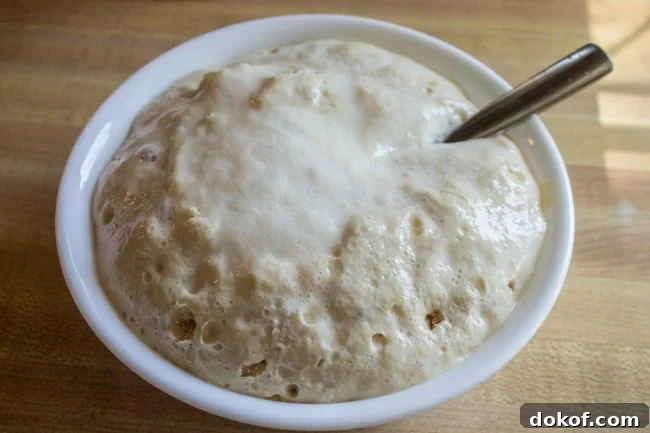
- Proof the yeast: warm (not hot) water with a pinch of sugar activates the yeast. With this recipe’s large yeast quantity, watch it so it doesn’t overflow.
- When kneaded, the dough should still be slightly sticky. Avoid adding too much flour — a tacky dough makes the tenderest rolls.
- Let the dough rise until doubled; plan for about an hour. Don’t leave it unattended — it can over-rise quickly.
- Divide the dough into 24 pieces and shape each into a smooth ball, tucking the seam underneath so the top is smooth.
- Arrange the rolls in greased pans (one 9×13 and a smaller casserole both work). Each roll weighs about 2 ounces if you use a scale.
- Let the shaped rolls rise another 30–45 minutes in a warm spot. Preheat the oven to 375°F when they’re nearly doubled.
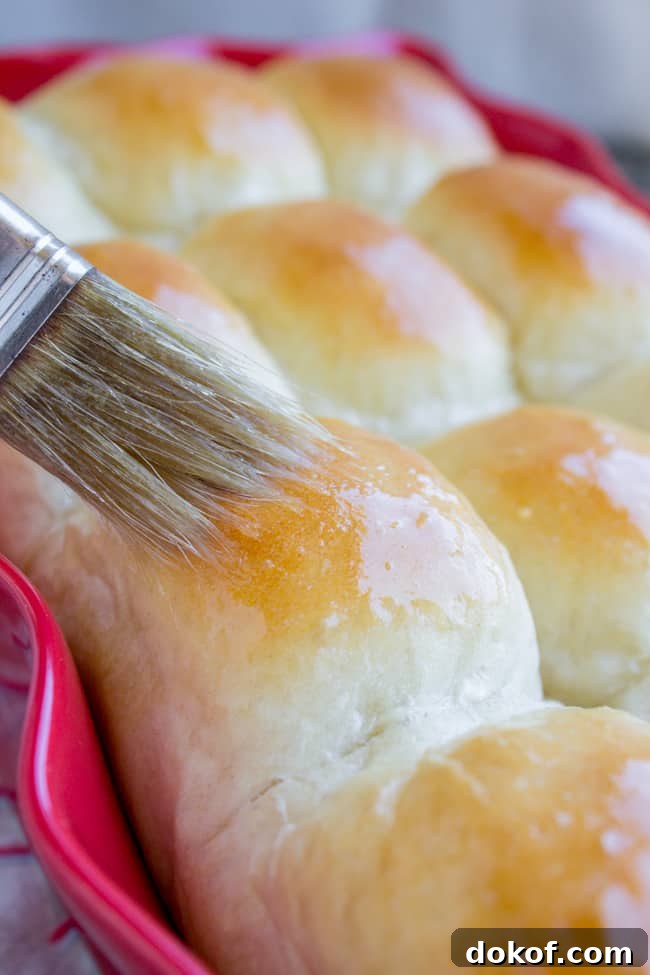
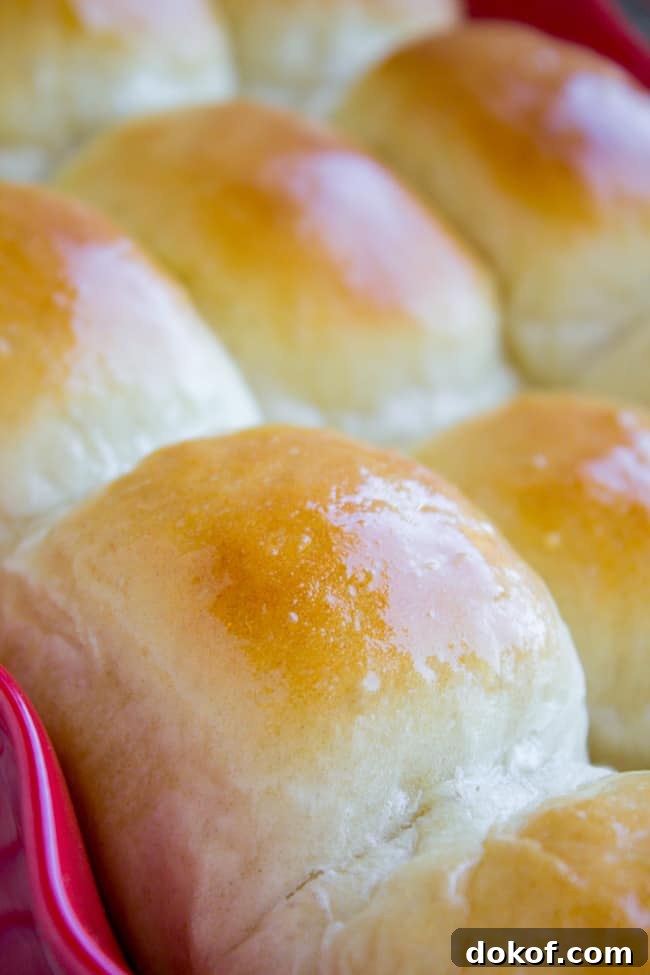
- Bake at 375°F for 12–15 minutes until the tops are golden brown. Remove and brush with melted butter. Serve warm.
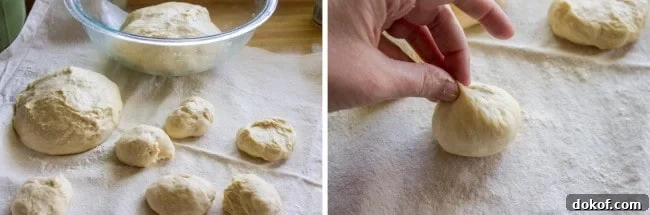
These rolls rise quickly and puff up beautifully — the less extra flour you use, the softer they will be.
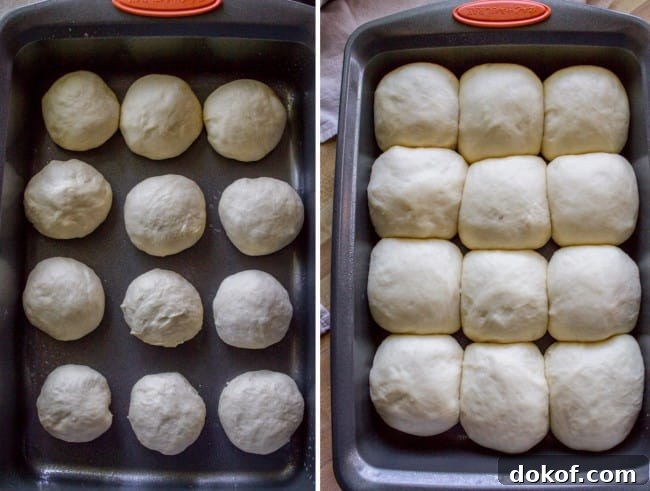
How to serve the Best Dinner Rolls
Serve warm and slathered with butter. They pair perfectly with hearty, saucy mains that are begging to be sopped up. Some favorite pairings include prime rib, shepherd’s pie, Salisbury steak, pork chops in creamy mushroom sauce, meatloaf, and beef stroganoff.
How to store Homemade Dinner Rolls
Store cooled rolls in a tightly sealed container or a zip-top bag to keep them soft. They stay fresh for 2–3 days at room temperature. For longer storage, freeze the cooled rolls in a sealed container for up to 2–3 months; thaw at room temperature or warm briefly in the microwave.
Dinner Rolls Recipe FAQs
Dinner rolls are small, enriched breads made with milk, fat (butter or shortening), and often sugar. That enrichment makes them tender, slightly sweet, and ideal for serving alongside a plate of meat and vegetables. They’re meant to be torn, buttered, and eaten one at a time, unlike crustier loaves that slice differently and have a chewier crust.
Keep rolls in a tightly sealed container or zip-top bag to prevent drying. Enriched doughs stay soft for 2–3 days at room temperature; for longer storage freeze them once cooled and use within 2–3 months.
Common issues include using too much flour (measure by spooning and leveling), killing the yeast with water that’s too hot (aim for 100–110°F / lukewarm), using old yeast, or proofing in a too-cold environment. Store yeast properly and proof shaped rolls in a warm spot or in a turned-off oven that was briefly warmed to give a cozy rise.
More delicious yeasty delights:
These rolls are heavenly with a cinnamon-honey butter or alongside any of your favorite comfort meals. Try them when you want soft, buttery rolls for holidays or a cozy family dinner.
Facebook | Pinterest | Instagram

Homemade Dinner Rolls Recipe
Ingredients
- 1/2 cup water
- 2 tablespoons active dry yeast
- 2 teaspoons white sugar (for proofing)
- 2 cups milk
- 1/3 cup white sugar
- 2 1/2 teaspoons kosher salt
- 1/4 cup butter-flavored shortening (or real butter)
- 1 egg
- 5–6 cups all-purpose flour, spooned and leveled
- 4 tablespoons melted butter, for brushing
Instructions
- Microwave 1/2 cup water for 20–30 seconds until lukewarm. Stir in yeast and 2 teaspoons sugar; let sit 5 minutes until foamy (watch so it doesn’t overflow).
- Warm 2 cups milk in the microwave 1–2 minutes until warm but not hot.
- In a large bowl or stand mixer, combine 1/3 cup sugar, kosher salt, shortening, and 2 cups flour. Stir to combine.
- Add warm milk, yeast mixture, and 1 egg. Mix and let rest 5 minutes, then switch to a dough hook if using a mixer.
- Add 4 cups flour one cup at a time, mixing in between. Add more flour as needed (up to 6 cups) until the dough is smooth and pulling away from the bowl but still soft and slightly sticky.
- Knead 5–6 minutes by hand or with dough hook.
- Grease a large bowl, place dough inside, turn to coat the top, and cover loosely. Let rise in a warm place until doubled, about 1 hour.
- Punch down, divide into 24 pieces, and shape each into a ball, tucking the seam underneath.
- Place rolls in two greased pans (a 9×13 and a smaller casserole work). Cover and let rise 30–45 minutes until doubled. Preheat oven to 375°F when nearly risen.
- Bake at 375°F for 12–15 minutes until golden across the tops. Remove and brush with melted butter. Serve hot.
Notes
**The amount of flour needed varies. Aim for a very soft, slightly sticky dough and use the least flour necessary to make a workable dough. I often use 5–6 cups.