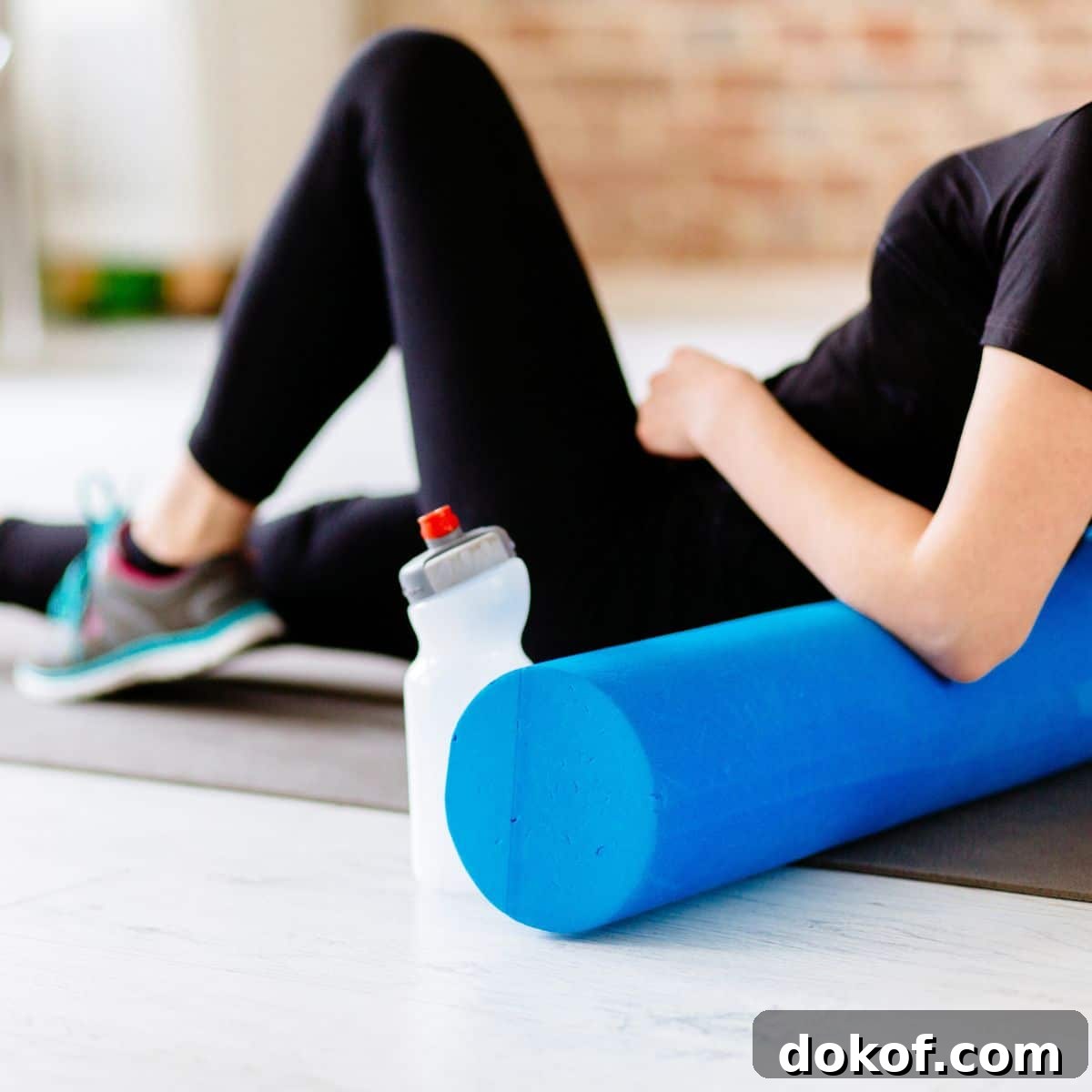
Discover seven powerful benefits of foam rolling for muscle recovery, flexibility, and pain relief. This beginner’s guide explains how to start and get the best results.
Foam rolling is a simple, effective self-myofascial release technique used by athletes and physical therapists to speed recovery and improve mobility. It’s an affordable and convenient alternative to deep tissue massages, and when used consistently it can enhance daily movement and workout performance.
Below are seven science-backed benefits of foam rolling and clear, practical steps to begin using a foam roller today.
1. Loosens Stiff Muscles
Foam rolling helps loosen tight muscles, increase blood flow, and prepare the body for exercise. If you’ve ever felt stiff after sitting for a long time, a few minutes with a foam roller can make movement feel smoother and more comfortable.
Research indicates that foam rolling before activity can reduce perceived fatigue and improve readiness to exercise.
2. Can Reduce Stress
Rolling tight muscles can produce a calming effect and reduce overall tension. Chronic stress raises hormones like cortisol, which affect appetite, sleep, and weight. Some studies suggest foam rolling may lower cortisol levels, supporting relaxation and recovery.
3. Helps Prevent Injury
Regular foam rolling improves muscle elasticity and addresses imbalances that contribute to strains and overuse injuries. A consistent routine of rolling and stretching can keep common problems like iliotibial band tightness under control by maintaining muscle-tendon compliance and reducing the risk of injury.
4. Limits Soreness
Foam rolling supports recovery by helping reduce lactic acid buildup and improving circulation, which can decrease post-workout soreness. Studies have shown foam rolling to be effective in lessening muscle fatigue and perceived soreness after exercise.
5. Can Increase Flexibility
By releasing fascial adhesions and making muscles more pliable, foam rolling can enhance flexibility and range of motion. Improved flexibility often translates to better force production and movement quality during training and daily activities.
6. Boosts Blood Circulation
Foam rolling stimulates blood flow, delivering oxygen and nutrients to working muscles. Enhanced circulation supports recovery and can reduce arterial stiffness while improving vascular function—factors that help tissues feel refreshed and recover faster.
7. Can Increase Range of Motion
Loosening tight muscles and connective tissue improves joint mobility and range of motion. Maintaining range of motion is especially important as we age because joint mobility naturally decreases. Foam rolling has been shown to increase joint range and, in some cases, can support muscle force better than static stretching when used before activity.
How to Get Started Using a Foam Roller
Here are beginner-friendly tips and techniques to help you add foam rolling to your routine for better recovery, flexibility, and mobility.
Understand the Two Main Types of Foam Rolling Techniques
There are two primary approaches:
| Static Pressure | Locate a tender or tight spot and hold the roller in place for 20–30 seconds. Sustained pressure helps release tension, improve blood flow, and relax the muscle—useful for specific trigger points. |
| Dynamic Rolling | Slowly roll back and forth over a muscle in small movements (about 1–2 inches). This warms the tissue, increases circulation, and prepares muscles for activity or recovery—great for larger areas like quads, hamstrings, and back. |
How To Use A Foam Roller
Follow these steps to get started:
- Find a flat surface and place the foam roller under the target muscle group.
- Use your body weight to apply gentle pressure and roll slowly for 20–30 seconds over each area.
- When you find a sore spot, pause and hold pressure to allow tension to release. Lean in gradually—don’t force it.
- Add cross friction by gently kneading back and forth across the muscle to increase the effect.
Keep movements controlled and avoid rolling directly over joints or bony areas. A practical sequence is to work from the bottom up: calves, hamstrings, then glutes, moving on to quads, hips, and back.
Where to Buy Your Foam Roller
Foam rollers are inexpensive and widely available. There are many options in different densities and sizes—choose one that fits your needs. Softer rollers are better for beginners or sensitive areas, while firmer, high-density rollers provide deeper pressure for experienced users.
Foam Rolling Exercises to Get Started With
Start with a few basic moves to target major muscle groups. Aim for a short session (5–15 minutes) several times a week and gradually increase as your tolerance improves.
- Foam Roller Back Roll (targets back muscles)
- Foam Roller Lat Roll (targets upper back and lats)
- Foam Roller Hamstring Roll (targets hamstrings)
- Foam Roller Calf Roll (targets calves)
- Foam Roller Quad Roll (targets quadriceps)
- Foam Roller IT Band (targets the lateral thigh and hips; use carefully, as this area can be sensitive)
Use these gentle, consistent sessions to complement your warm-up, cool-down, or daily mobility work. If you have a chronic condition or persistent pain, consult a healthcare professional or physical therapist before starting a foam-rolling routine. Otherwise, a few minutes of rolling most days can lead to noticeable improvements in movement, recovery, and comfort.