Written by Allison of Some the Wiser
This season brought its share of disappointments. Four of my eight tomato plants succumbed to curly top virus, and my winter squash and beans failed for reasons I still haven’t determined. After investing time and energy, losing crops before harvest is disheartening.
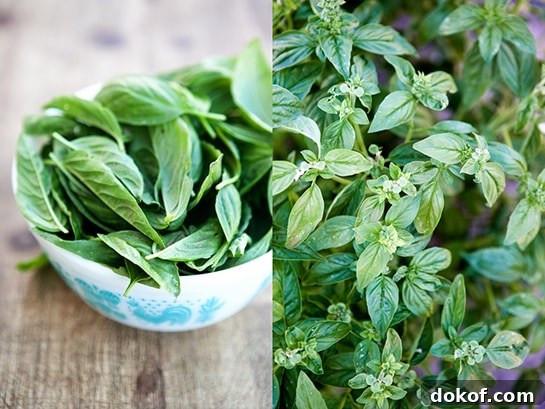
Still, the garden isn’t a total loss. For the first time ever, my herb patch is thriving. I have more basil, rosemary, sage, and mint than I can easily use, and that abundance has been a bright spot in an otherwise challenging season.
Despite the daily battles with squash bugs on the zucchini and the missing green beans I’d hoped for, I’m not ready to give up on gardening. Every spring I return to the soil, because there are rewards that make the effort worthwhile — like turning fresh produce into simple, flavorful food.
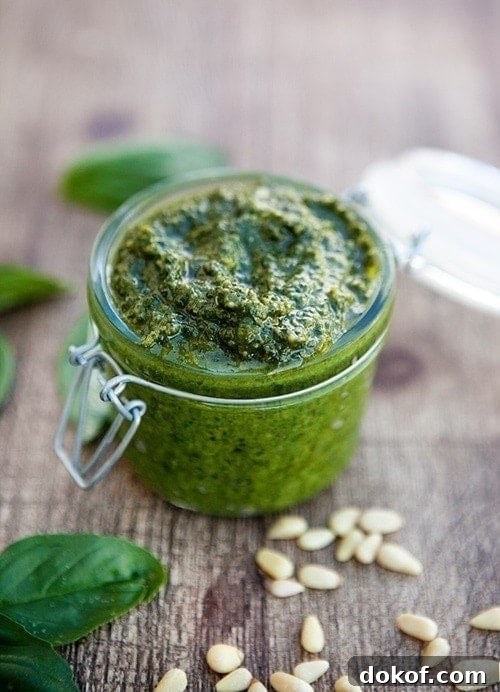
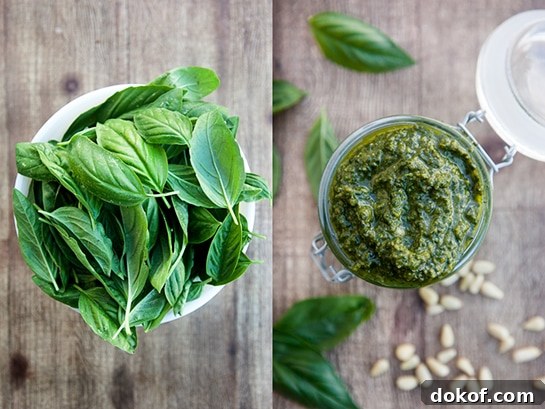
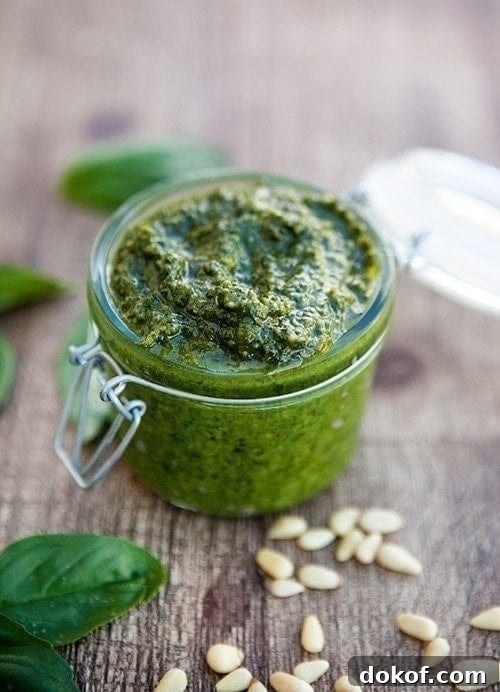
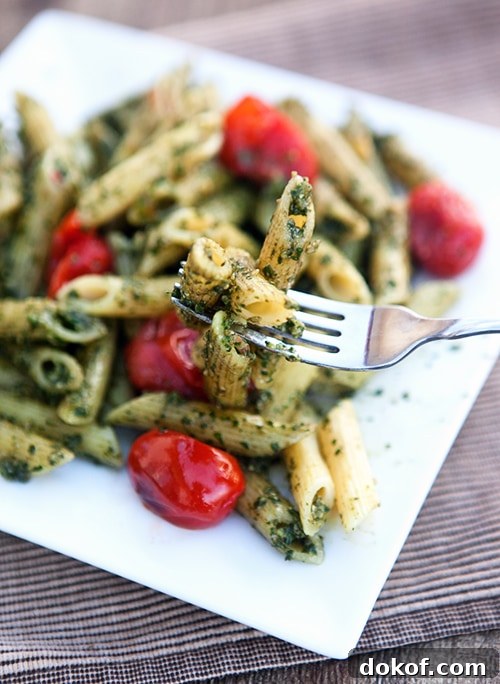
One of my favorite ways to use a garden harvest is this Vegan Basil Pesto. There’s something deeply satisfying about a recipe made from ingredients you grew yourself. Pesto is versatile: it brightens sandwiches, lifts pasta, enriches soups, and complements many dishes.
Even if you don’t have fresh basil at home, it’s easy to find during the season, and this recipe is worth seeking out. This vegan version is especially appealing because it recreates the creamy, savory qualities of traditional pesto without dairy.
This pesto replaces cheese with nutritional yeast, which contributes a nutty, savory flavor and helps create a smooth, satisfying texture. Nutritional yeast also boosts protein and adds B vitamins, making the pesto both tasty and nutritious.
How to Store Fresh Pesto in the Freezer
Fresh basil pesto will keep in the refrigerator for up to two weeks when stored in an airtight container. If your basil harvest is abundant, make large batches and freeze portions so you can enjoy the flavor later. Proper freezing preserves the bright basil flavor and makes it easy to add pesto to meals throughout the year.
- For small portions, spoon freshly made pesto into an ice cube tray and freeze for about 12 hours. Once solid, transfer the pesto cubes to a glass airtight container or a freezer-grade zip bag. This method makes convenient single-serving portions for adding to soups, sauces, or sandwiches.
- For larger portions, fill muffin tins with roughly 1/3 cup of pesto and freeze for about 24 hours. When the pesto cups are fully frozen, remove them and store in a sealed glass container or a freezer bag. These larger portions are handy for tossing with pasta or stirring into warm grains.
- Note: The freezing methods described work well for this dairy-free pesto. Traditional pesto made with cheese can change texture and flavor when frozen, so results may vary.
To use frozen pesto, thaw cubes in the fridge or at room temperature, spread them on sandwiches, toss with hot pasta, or add the frozen pieces directly to soups and stews for an instant burst of basil flavor.
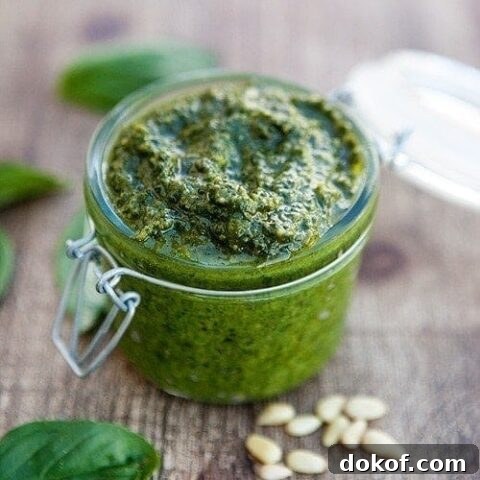
Vegan Basil Pesto
1 cup
10 minutes
10 minutes
There is nothing quite like a delicious, simple recipe made from ingredients grown in your own backyard. This vegan pesto is an easy, flavorful way to use a generous basil harvest.
Ingredients
- 2 cups tightly packed fresh basil leaves, rinsed and dried
- 1 clove garlic
- 1/3 cup pine nuts or walnuts
- 1/4 cup extra virgin olive oil, or more as needed
- 1/3 cup nutritional yeast flakes
- salt to taste
Instructions
- Combine all ingredients in a food processor. Pulse until smooth, stopping occasionally to scrape down the sides. Taste and add salt as needed. If the pesto is too thick, add olive oil one tablespoon at a time until you reach the desired consistency.
Nutrition Information:
Yield: 8
Serving Size: 1
Amount Per Serving:
Calories: 119Total Fat: 11gSaturated Fat: 1gTrans Fat: 0gUnsaturated Fat: 9gCholesterol: 0mgSodium: 77mgCarbohydrates: 3gFiber: 2gSugar: 0gProtein: 4g
Nutrition information is an estimate and provided as a courtesy.
Did you make this?
I’d love to hear what you think. Snap a photo and tag @goodlifeeats so I can see how you used your pesto.