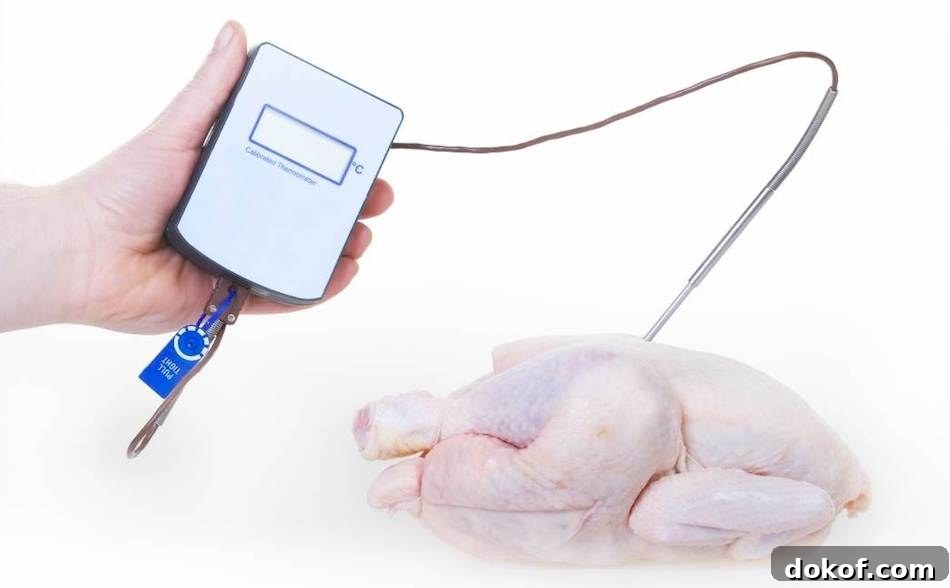
If your food thermometer gives unreliable readings, it defeats its purpose. Thermometers are essential for safe, well-cooked food, but they can drift over time or be knocked out of calibration. Fortunately, you can test and recalibrate most thermometers at home. I consulted guidance from thermometer manufacturers and summarized the straightforward tests and maintenance steps that will keep your device accurate.
A meat thermometer should be calibrated before first use and checked periodically, since even high-quality digital models can shift after impacts or extended use. Many premium instant-read thermometers hold their calibration well, but an occasional ice bath and boiling-point check are recommended to confirm accuracy. Regular testing helps you decide whether a device needs recalibration or replacement.
- Calibrating ensures accurate temperature readings, which is vital for food safety.
- Incorrect readings can result in undercooked or overcooked food and increase the risk of foodborne illness.
- Regular checks tell you if a thermometer remains accurate or needs adjustment or replacement.
- Common calibration references are an ice-water mixture (0°C / 32°F) and boiling water (100°C / 212°F at sea level) or a calibrated reference thermometer.
- Basic calibration steps:
- Prepare a reference temperature source (ice water or boiling water).
- Compare the thermometer reading with the reference.
- If necessary, adjust the thermometer following the manufacturer’s instructions.
- Repeat the test to confirm consistent results.
How to Test For Accuracy
If a thermometer has been dropped or roughly handled, it can become a few degrees off. The two quickest home checks are the ice bath test and the boiling water test. Better-built thermometers tend to hold their accuracy longer, while cheaper models benefit from more frequent checks and possible recalibration.
The Ice Bath Test
| Step | Description |
|---|---|
| 1 | Fill a large glass or bowl with crushed ice and cold water. |
| 2 | Submerge the thermometer tip in the ice water without touching the container sides or bottom. |
| 3 | Wait a few minutes for the reading to stabilize. |
| 4 | Record the temperature displayed. |
| 5 | Compare the reading to the freezing point of water (32°F / 0°C). |
| 6 | If the thermometer doesn’t read 32°F / 0°C, adjust it per the manufacturer’s instructions. |
| 7 | Repeat the test a few times to confirm consistency. |
Can You Calibrate a Meat Thermometer Yourself?
Yes. Most meat thermometers can be calibrated at home by following the user manual and performing ice bath and boiling-point checks. The manual will usually list acceptable accuracy tolerances (for example, ±1°F). After running both tests, compare your readings with the specified tolerance to determine if recalibration or replacement is needed.
Boiling Water Test
| Step | Description |
|---|---|
| 1 | Fill a pot with water and bring it to a rolling boil. |
| 2 | Insert the thermometer so the tip is submerged but not touching the pot sides or bottom. |
| 3 | Allow the reading to stabilize. |
| 4 | Record the temperature. At sea level, boiling water should read about 100°C / 212°F. |
| 5 | Compare the reading to your local boiling point and adjust the thermometer if needed. |
| 6 | Repeat the test to confirm consistent results. |
The Reset Button for Recalibration
Many digital thermometers include a reset or recalibration function; consult the user manual for the exact procedure. Analog dial thermometers typically have an adjustment screw near the probe. If a thermometer won’t recalibrate or shows large, inconsistent errors after testing, replace it—an inaccurate thermometer is worse than none.
Test 1 – Checking Accuracy With Ice Water
The ice bath is the most reliable easy test. Set up the iced water correctly: it should measure 32°F / 0°C. A good thermometer will read within about 1°F (or the manufacturer’s stated tolerance). Follow the steps below for a proper ice bath test.
How To Do An Ice Bath Test
- Fill a container with crushed ice.
- Add cold water until the container is nearly full so the ice and water mix thoroughly.
- Place the probe in the middle of the ice water, not touching the sides or bottom.
- Wait and note the reading; it should be 32°F / 0°C (within the stated tolerance).

Test 2. Checking Accuracy With Boiling Water
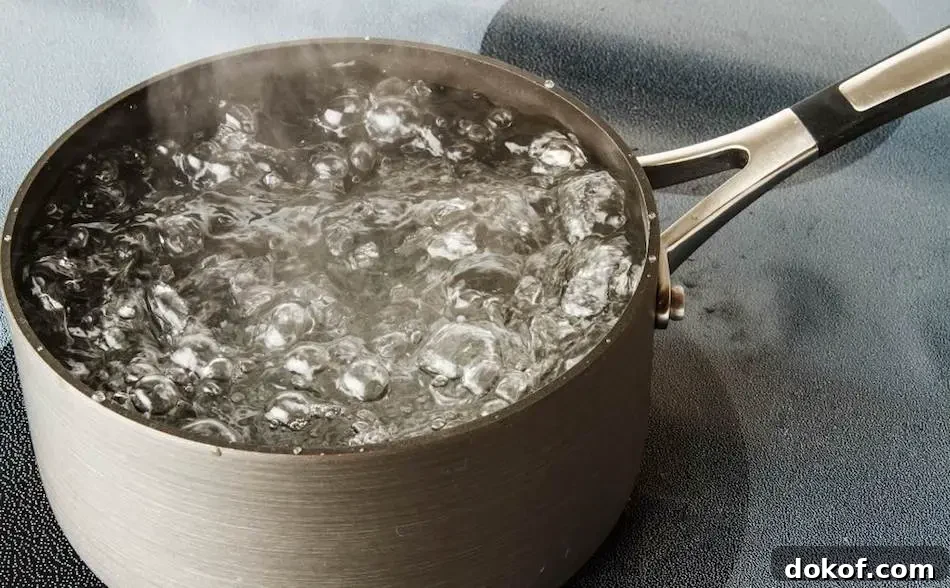
The boiling water test verifies the high end of a thermometer’s range. Because boiling point changes with elevation, the exact temperature will vary by location. Determine the correct local boiling point before testing so you can compare accurately.
The Boiling Point Test
- Fill a deep pot about halfway with water and bring it to a full boil.
- Ensure a steady rolling boil, then insert the probe without touching the pot.
- Wait for the thermometer to stabilize and record the temperature.
- Compare the reading to the expected boiling point for your elevation and adjust if necessary.
Do All Thermometers Need Recalibration?
High-quality thermometers often maintain calibration longer and may not need frequent adjustment, but it’s wise to test new devices and check periodically. Frequency depends on use and handling: heavy use or impacts warrant more frequent checks.
How Often Should I Calibrate My Thermometer?
For frequent smokers or heavy use, test every few months. If the thermometer is dropped or roughly handled, perform an immediate ice bath check. Even quality instruments benefit from periodic verification as they age.
Are Cheap Meat Thermometers Accurate?
Some budget thermometers are reasonably accurate, but many inexpensive units are less reliable. If you use an affordable model, test it after unboxing and at regular intervals to ensure it remains within acceptable tolerance.
Most Accurate Meat Thermometer
Some professional-grade thermometers are widely regarded for outstanding accuracy and speed. When accuracy matters most, many cooks prefer proven high-end models. Choose based on reliability, speed, and the manufacturer’s stated accuracy rather than price alone.
Calibrating a Meat Thermometer: Summary
Calibrating a meat thermometer is an easy but essential step to ensure safe, properly cooked food. Use an ice bath to check the low end of the scale and a boiling water test for the high end, accounting for local elevation when testing boiling point. Adjust the thermometer according to the manufacturer’s instructions if readings fall outside tolerance, and retest to confirm accuracy. Regular checks protect food safety and help you achieve consistent results when smoking or cooking meat.
The Importance of Accurate Thermometers
Accurate thermometers are vital for smoking and cooking meat because internal temperature dictates safety and doneness. Following recommended minimum internal temperatures reduces the risk of harmful bacteria. An accurate thermometer also helps you reach the desired texture, tenderness, and flavor by avoiding under- or overcooking.
USDA Recommendations
The USDA emphasizes testing internal food temperature as the only reliable way to confirm a safe minimum temperature has been reached. They recommend regular calibration of thermometers in food service settings and instruct users to insert probes into the thickest part of the food, away from bone, fat, or gristle, to get an accurate reading.
My Favorite Meat Smoking Tools
Here are a few commonly recommended tools for smoking meat that I use and suggest for reliable results. Pick a thermometer that suits your needs—multi-probe models for longer cooks, and a fast instant-read for checking final doneness. Choose quality where accuracy matters most.
Meat Thermometer: A dual-probe thermometer is useful for tracking both smoker and meat temperatures during long cooks.
Instant Read Thermometer: A fast, accurate instant-read is valuable during the final stages of cooking when you need quick, precise spot checks.
Wireless Thermometer: Wireless or Wi‑Fi thermometers offer remote monitoring and are convenient for longer cooks.
Butcher Paper: Unwaxed, food-grade butcher paper is commonly used for wrapping brisket to preserve bark and moisture during the cook.
Advanced Thermometer and Automatic Temperature Controller: For next-level control, multi-channel Bluetooth/Wi‑Fi units with automatic blower control can turn a smoker into a set-and-forget system and provide detailed cook graphs.