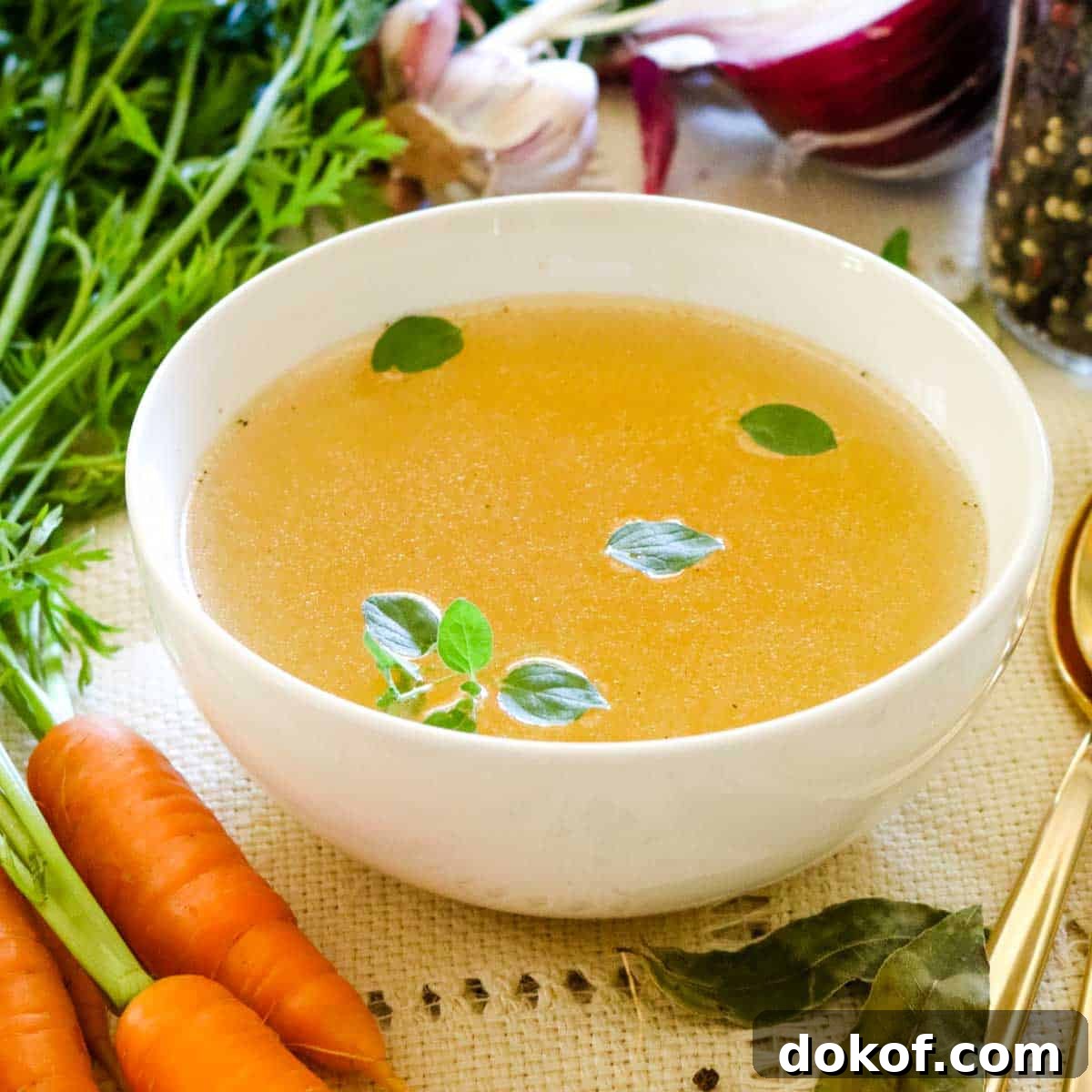
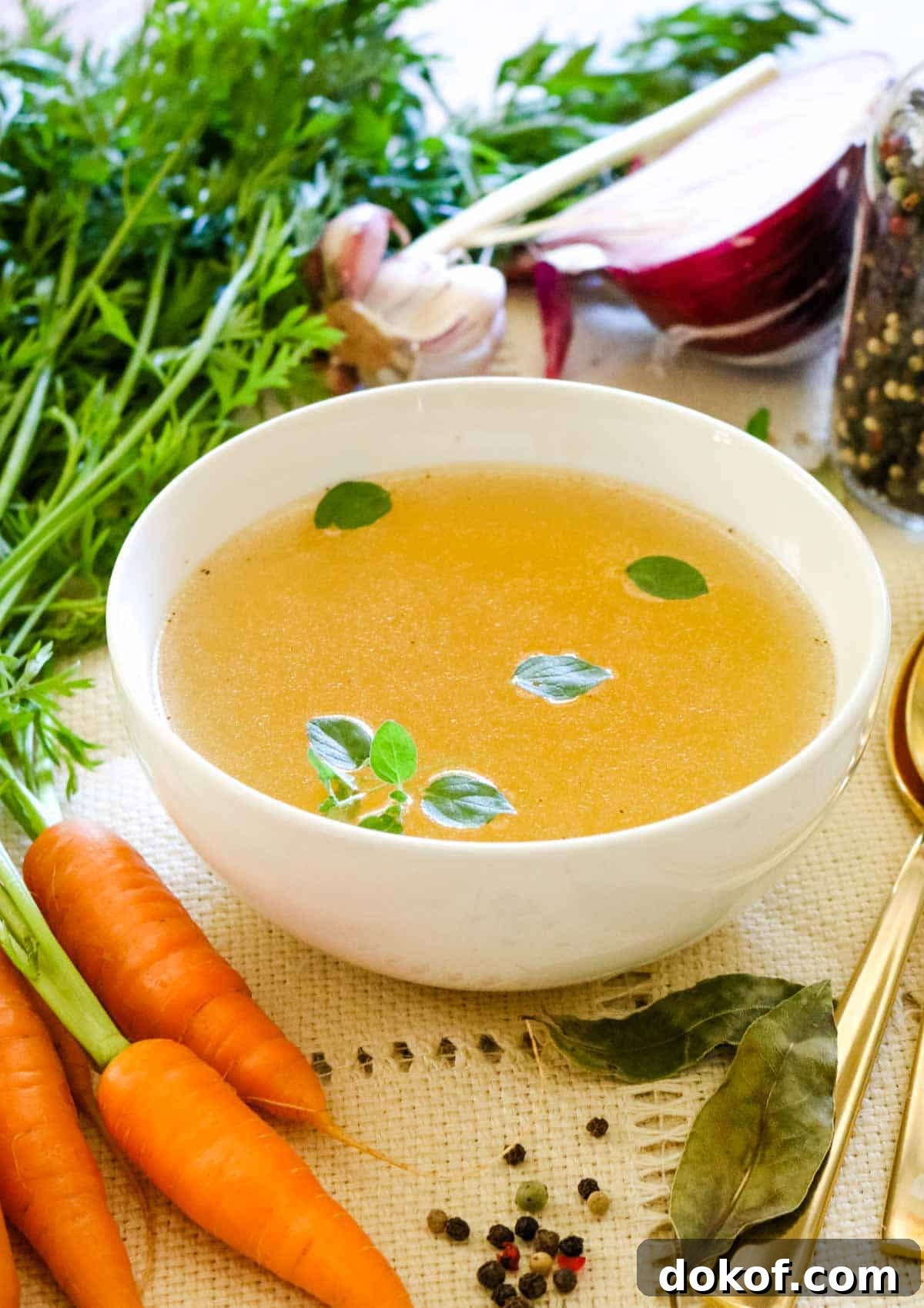
This Instant Pot chicken bone broth is quick to make and yields a gelatinous, nutritious stock perfect for soups, sauces, and everyday cooking.
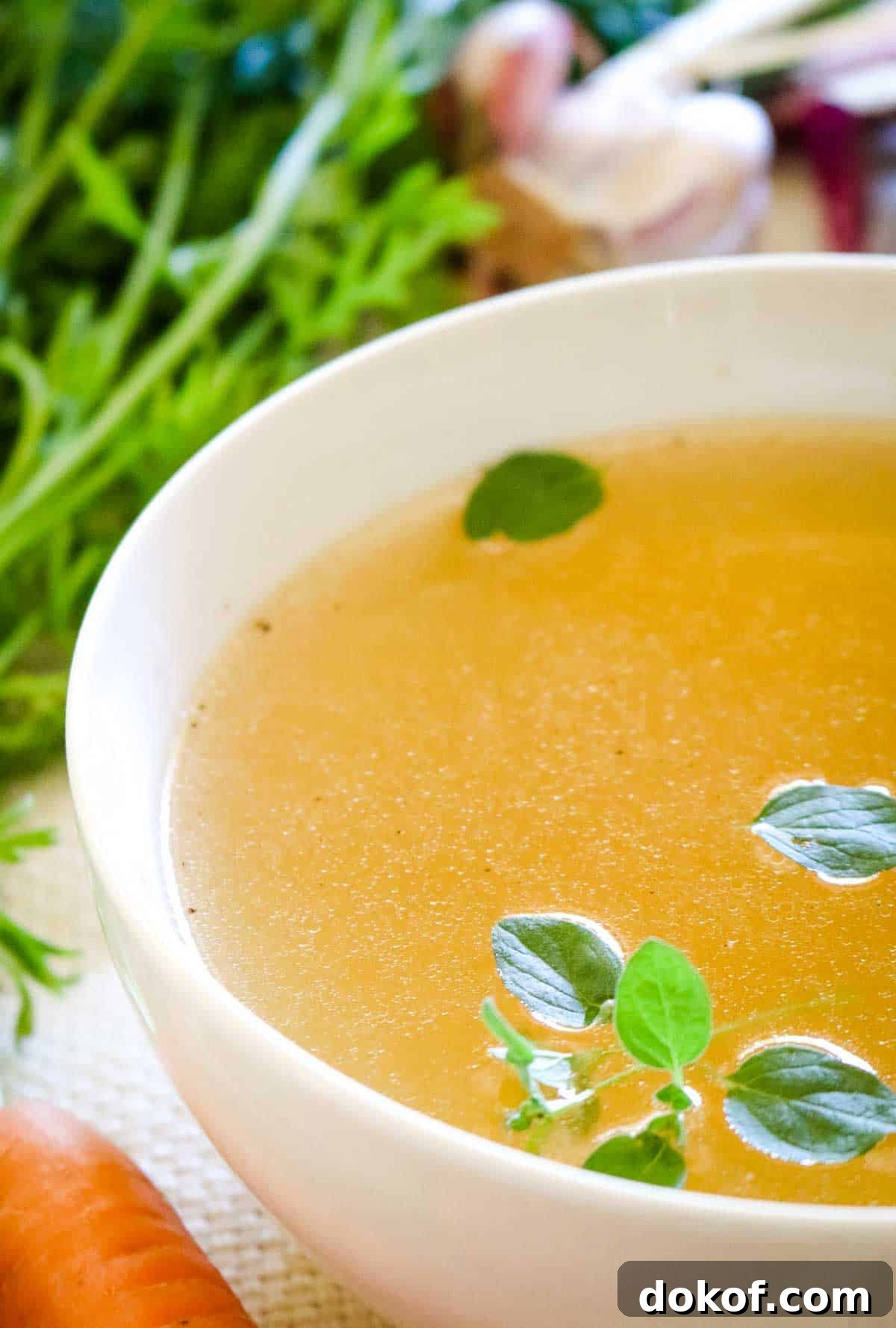
Homemade chicken bone broth requires just a few simple ingredients: poultry bones, optional chicken feet for extra collagen, some vegetable scraps or whole vegetables, fresh herbs, and seasoning. Though broth-making is an ancient tradition that historically used long, slow simmering, a pressure cooker like the Instant Pot reduces the time considerably while still producing a richly nourishing result.
Whether you follow paleo, Whole30, GAPS, or simply want to support gut health and reduce food waste, making bone broth at home is a small, high-impact habit to add to your routine.
Why you’ll love this recipe
- Nutrient dense: Adding chicken feet boosts collagen, creating a rich, gelled broth when chilled.
- Mild, versatile flavor: Chicken broth is flavorful yet gentle, making it an ideal base for many recipes.
- Faster with the Instant Pot: You can condense traditional long-simmer times into roughly 90–120 minutes.
- Easy: The Instant Pot simplifies the process and requires minimal hands-on time.
- Zero food waste: Use leftover carcasses, raw backs, or veggie trimmings to make an economical, nourishing batch.
Good to know: Building broth-making into your weekly routine is an efficient way to use scraps and add nutrition to meals.
Ingredients
This straightforward method does not require roasting the bones first. Quantities in the recipe card below are a reliable starting point, but the list is flexible.
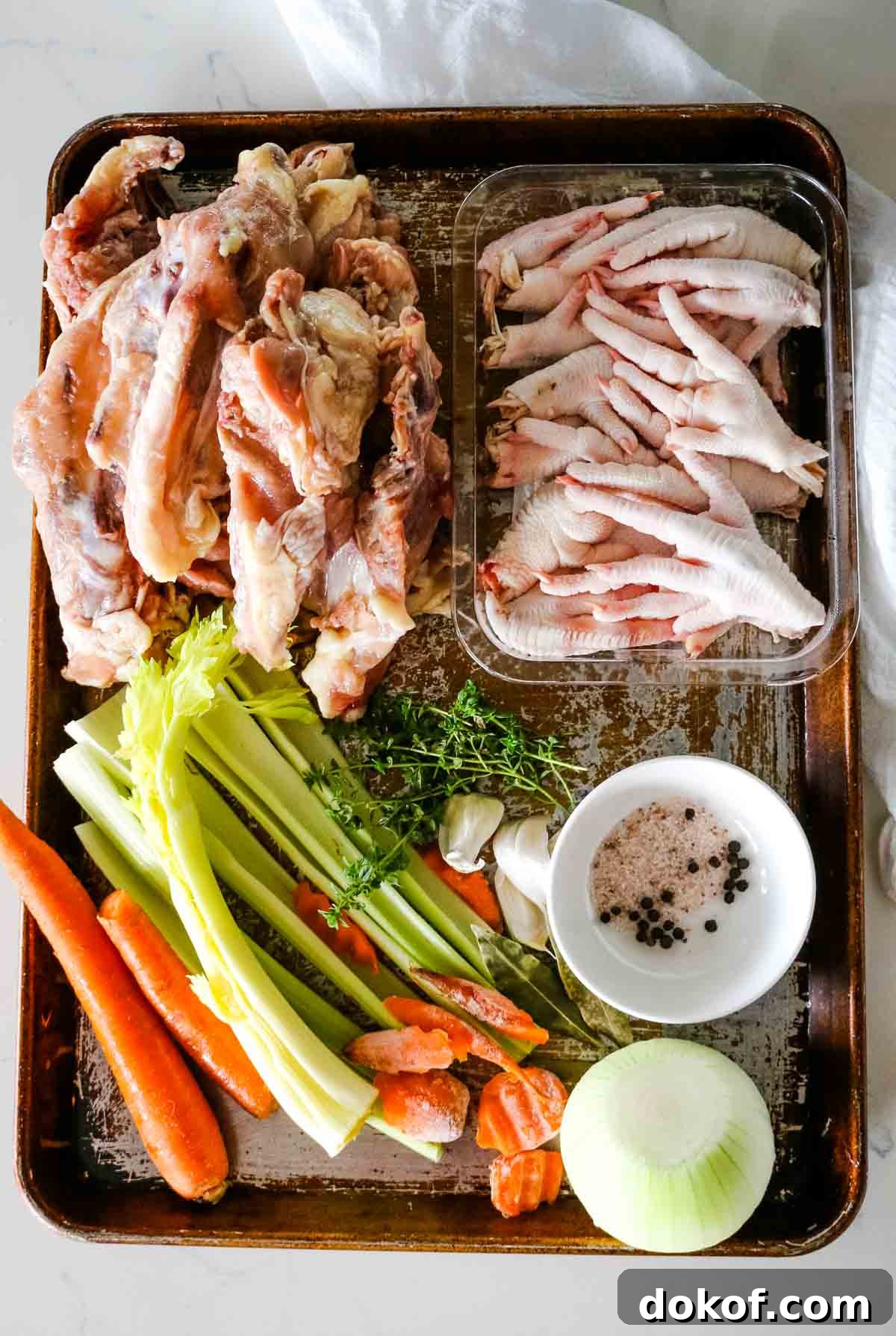
- Chicken bones (about 3 lb): carcass from a roast chicken, backs, necks, wings, or leftover bones.
- Chicken feet (1 lb, optional but recommended): greatly increase gelatin and collagen. Look for cleaned feet from high-quality sources when possible.
- Vegetables: onion, carrots, and celery, or a mix of vegetable scraps (onion skins, carrot ends, celery leaves).
- Aromatics: fresh thyme, bay leaves, parsley stems; use potent herbs sparingly so they don’t dominate.
- Salt & pepper: to taste; season lightly and adjust after cooking.
- Acid: 2 tablespoons apple cider vinegar (or white wine vinegar / 1/4 cup dry white wine) helps draw minerals from the bones.
- Filtered water: enough to cover the bones and scraps, leaving room below the Instant Pot max line.
Tip: Apple cider vinegar or another mild acid helps extract minerals like calcium and magnesium from the bones, improving nutrient density.
Substitutions
Use what you have on hand. Common substitutions that work well:
- Bones: roasted carcass, raw backs, necks, drumstick bones, or a mix of poultry bones.
- Veggie scraps: onion skins, celery leaves, mushroom stems, carrot peels, parsnip peels, or whole vegetables.
- Aromatics: garlic (with skin if desired), parsley stems, bay leaves, rosemary, thyme, or dried herbs.
How to make gelatinous bone broth
Gelation comes from collagen extracted from connective tissue and cartilage. If your broth doesn’t gel, it’s still nutritious — you likely just have a lower collagen-to-water ratio. Use more bones (or include chicken feet) and keep the water level just enough to cover the contents for the best chance of a firm gel.
Chicken feet bone broth
Chicken feet may seem unusual, but they are an inexpensive collagen powerhouse and are often available at ethnic markets, specialty grocers, or direct from farmers. If you can source pastured chicken feet, they’ll give the richest gelatin. If your chicken is conventionally raised, you can still make a nutritious broth with carcass and backs even without feet.
Pro tip: Look for feet already cleaned of the yellow membrane; if present, they need to be prepared before cooking.
Helpful tips
- Make-ahead: Broth freezes well. Divide into portions for quick use in recipes.
- Food safety: Fat rising to the top is normal and can form a protective seal in the fridge. If you won’t use it within a week, freeze the broth.
- Use the fat: Rendered fat makes a flavorful cooking fat for sautéing vegetables or making gravies.
Step-by-step instructions
Full measurements and a printable recipe are in the recipe card below. In short:
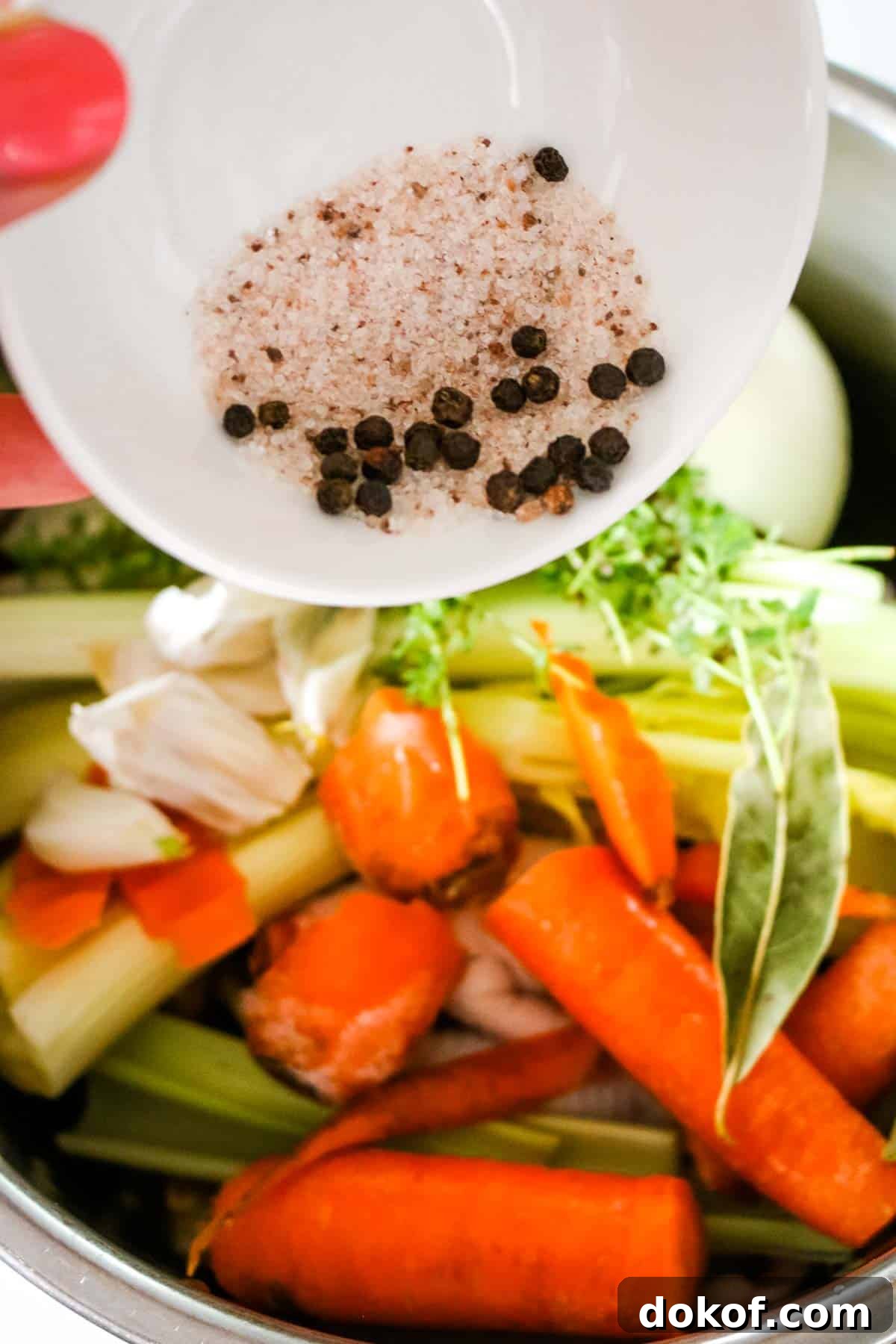
Step 1. Place chicken bones, chicken feet (if using), vegetables, garlic, bay leaves, thyme, salt, and pepper into the Instant Pot inner pot. Add the apple cider vinegar.
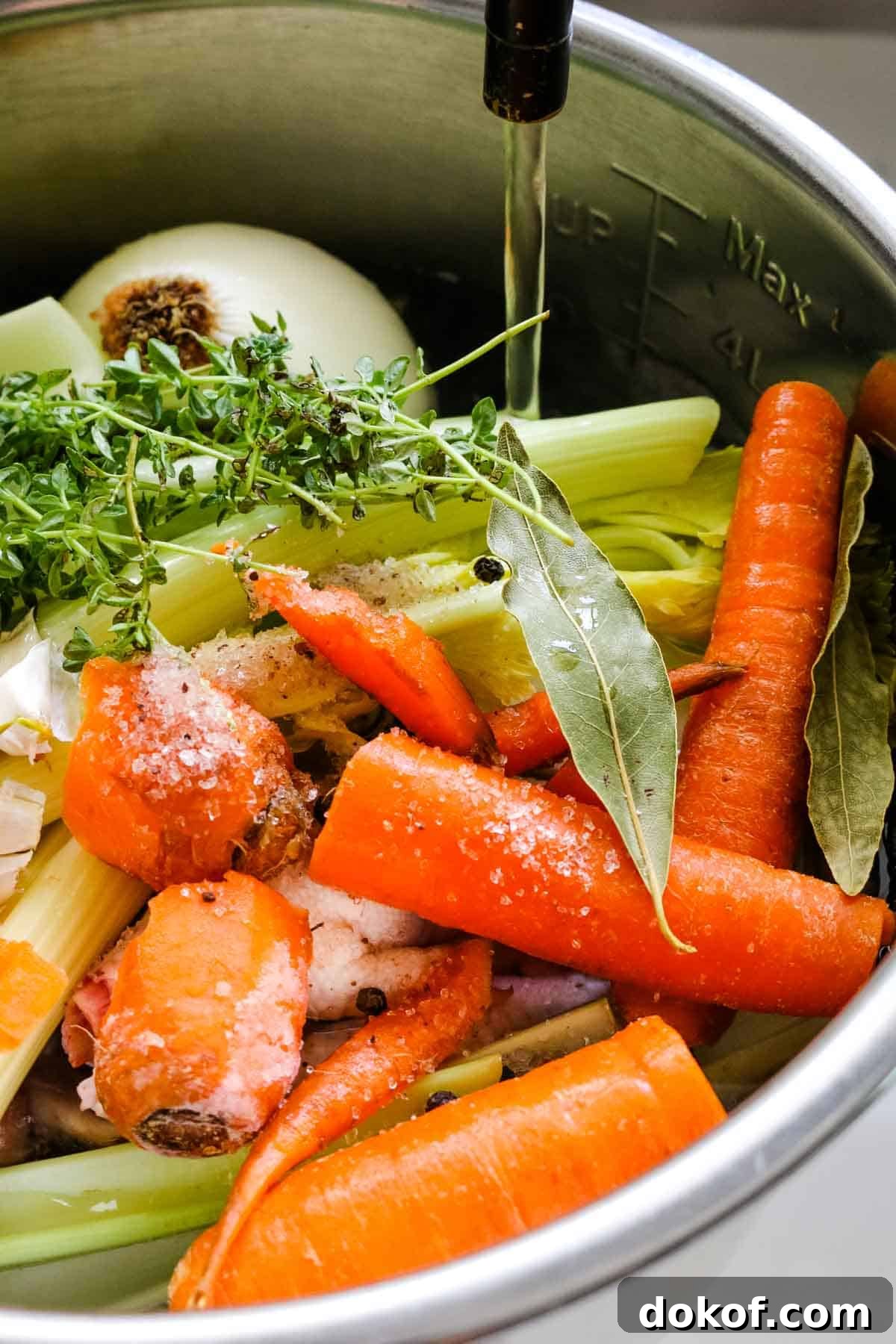
Step 2. Add enough filtered water to barely cover the ingredients, staying below the max line.
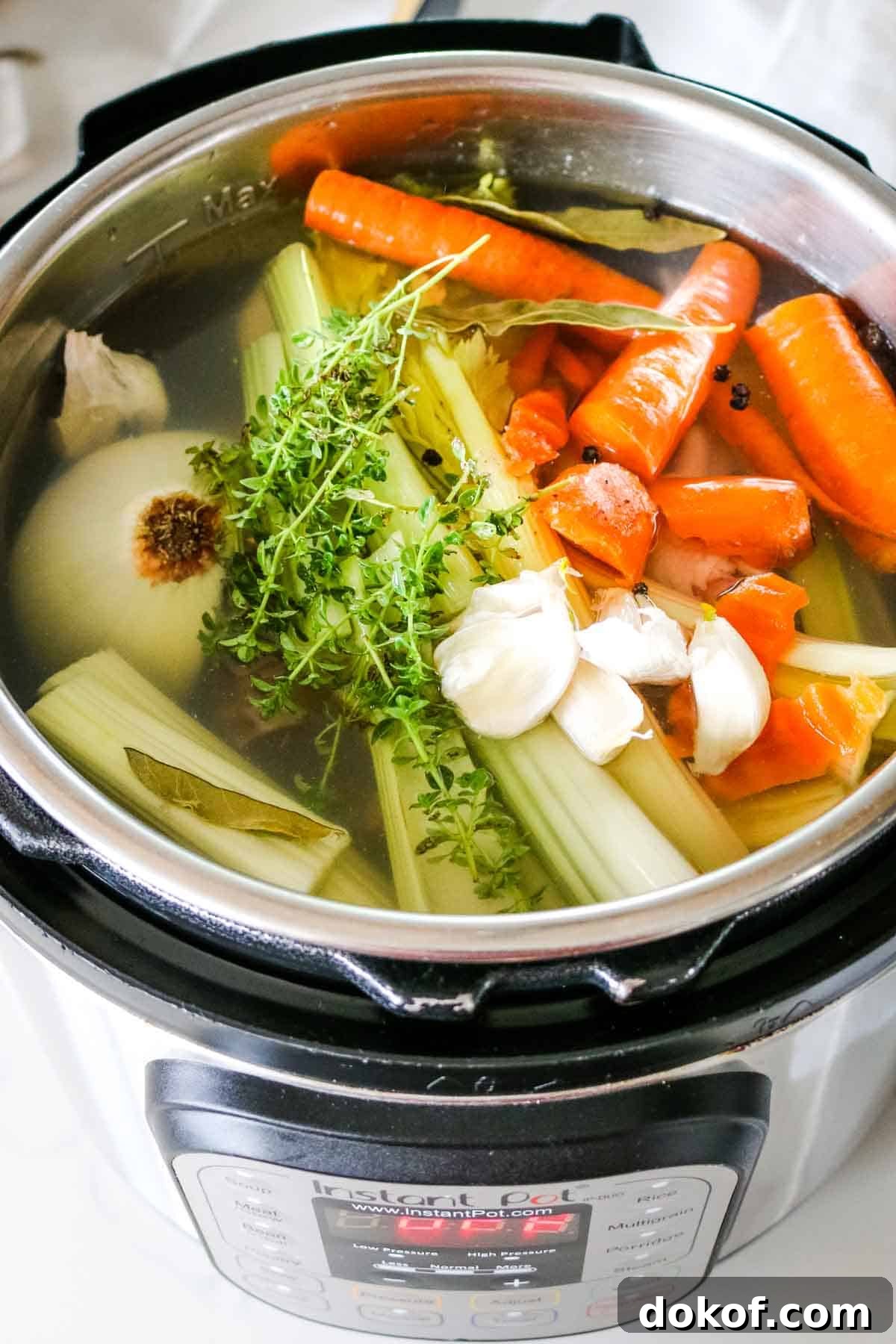
Step 3. Close the lid, set the valve to sealing, choose the Soup setting and manually set the time to 90–120 minutes. For a rich, gelatinous stock aim for 90–120 minutes; 60 minutes works in a pinch.
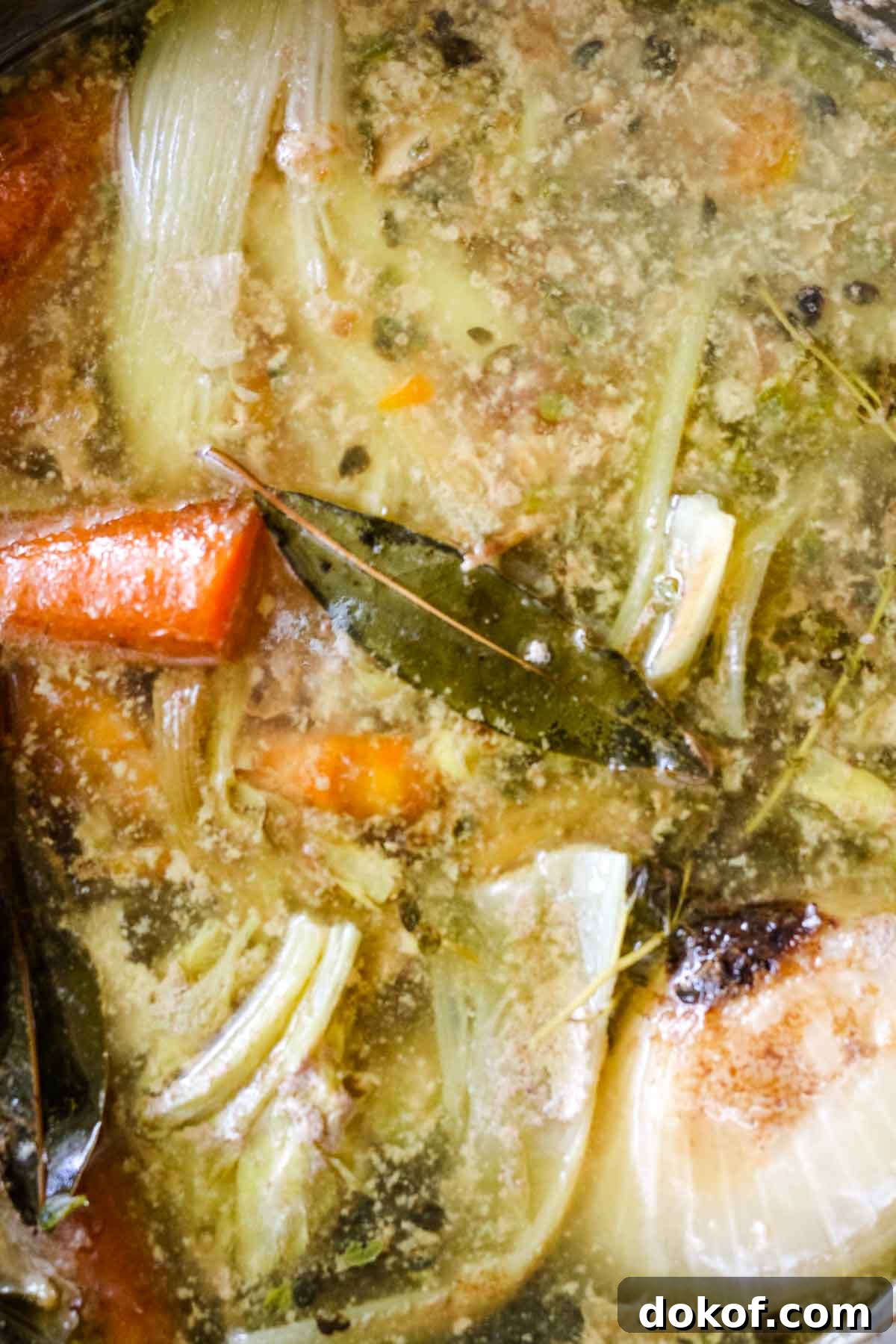
Step 4. Allow the Instant Pot to naturally release pressure for 20–30 minutes. Quick release is possible but natural release yields clearer broth.
Step 5. Carefully remove solids and transfer them to a colander set over a bowl to collect the liquid.
Step 6. Strain the broth through a fine-mesh sieve into jars or a container. Cool slightly before refrigerating or freezing.
Helpful tip: Cooking time is flexible, but longer pressure cooking extracts more collagen and flavor.
Serving suggestions
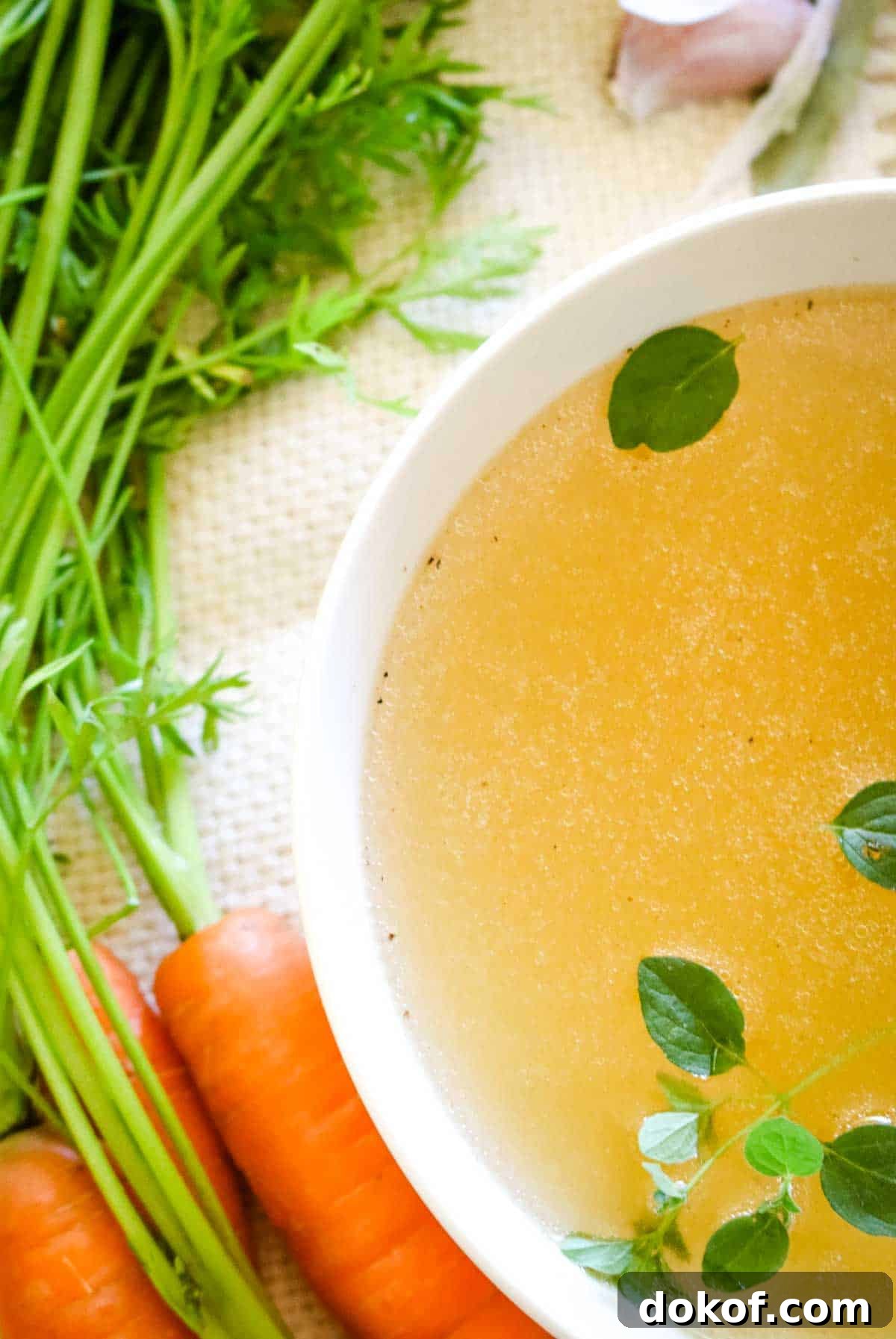
Use bone broth for sipping from a mug, as a base for soups and stews, to cook grains, to thin sauces or gravies, or to reheat and add moisture to leftovers. It can replace water in many recipes to boost flavor and nutrition.
Storage and freezing instructions
To store: Keep broth in airtight containers in the refrigerator for up to 1 week. Wide-mouth jars work well.
To freeze: Leave at least 1 inch of headspace in jars to allow for expansion. Alternatively, freeze portions in trays (1-cup Souper Cubes or ice cube trays) then transfer frozen portions to labeled freezer bags.

FAQs
No. Chicken broth is naturally milder than beef broth, so roasting the bones is optional. You can get excellent results without roasting.
An acid such as apple cider vinegar helps extract minerals from the bones, improving the broth’s nutritional profile.
White wine vinegar or 1/4 cup dry white wine are good alternatives. If using wine, increase the amount compared to vinegar to achieve similar acidity.
Try ethnic grocery stores, specialty markets, or ask local farmers or butchers—many can reserve or supply them on request.
Printable Recipe

Instant Pot Chicken Bone Broth
This Instant Pot chicken bone broth is gelatinous, nutritious, and versatile — perfect as a base for soups, gravies, or sipped by the cup.
Prep Time: 5 mins
Cook Time: 2 hrs (pressure cook)
Rest/Pressure Release: ~40 mins
Total Time: ~2 hrs 45 mins
Servings: 8
Calories: 142 kcal (estimate)
Equipment
- Instant Pot or pressure cooker
- Fine mesh strainer or sieve
- Large bowl and colander
- Jars or freezer containers
Ingredients
- 3 pounds chicken bones (carcass, backs, necks, wings)
- 1 pound chicken feet (optional)
- 1 yellow onion, halved
- 2 carrots, chopped
- 3 celery ribs, chopped
- 6 garlic cloves
- 3 bay leaves
- 6 sprigs fresh thyme
- 1 tablespoon sea salt (adjust to taste)
- 1 tablespoon whole black peppercorns
- 2 tablespoons apple cider vinegar (or 1/4 cup dry white wine)
- 4 quarts filtered water (enough to cover, staying below max line)
Instructions
- Place bones, chicken feet (if using), vegetables, garlic, bay leaves, thyme, salt, peppercorns, and apple cider vinegar into the Instant Pot inner pot.
- Add filtered water to just cover the contents, keeping below the max fill line.
- Close the lid and set the valve to sealing. Select the Soup setting and manually set 90–120 minutes (120 minutes yields a richer stock).
- When cooking completes, allow the pressure to naturally release for 20–30 minutes, then open the lid carefully.
- Remove solids to a colander set over a bowl and strain the liquid through a fine-mesh sieve into jars or a container.
- Cool, refrigerate for up to 1 week, or freeze in portions (leave 1″ headspace in jars).
Notes
- This recipe yields about 3 quarts. A serving is approximately 1½ cups.
- Swap apple cider vinegar with white wine vinegar or dry white wine if preferred.
- For a gelled broth, include more bones (or feet) relative to water.
- To freeze, portion into trays or jars and label with date.
Nutrition (estimate per serving)
Calories: 142 | Carbs: 5 g | Protein: 12 g | Fat: 8 g | Sodium: varies