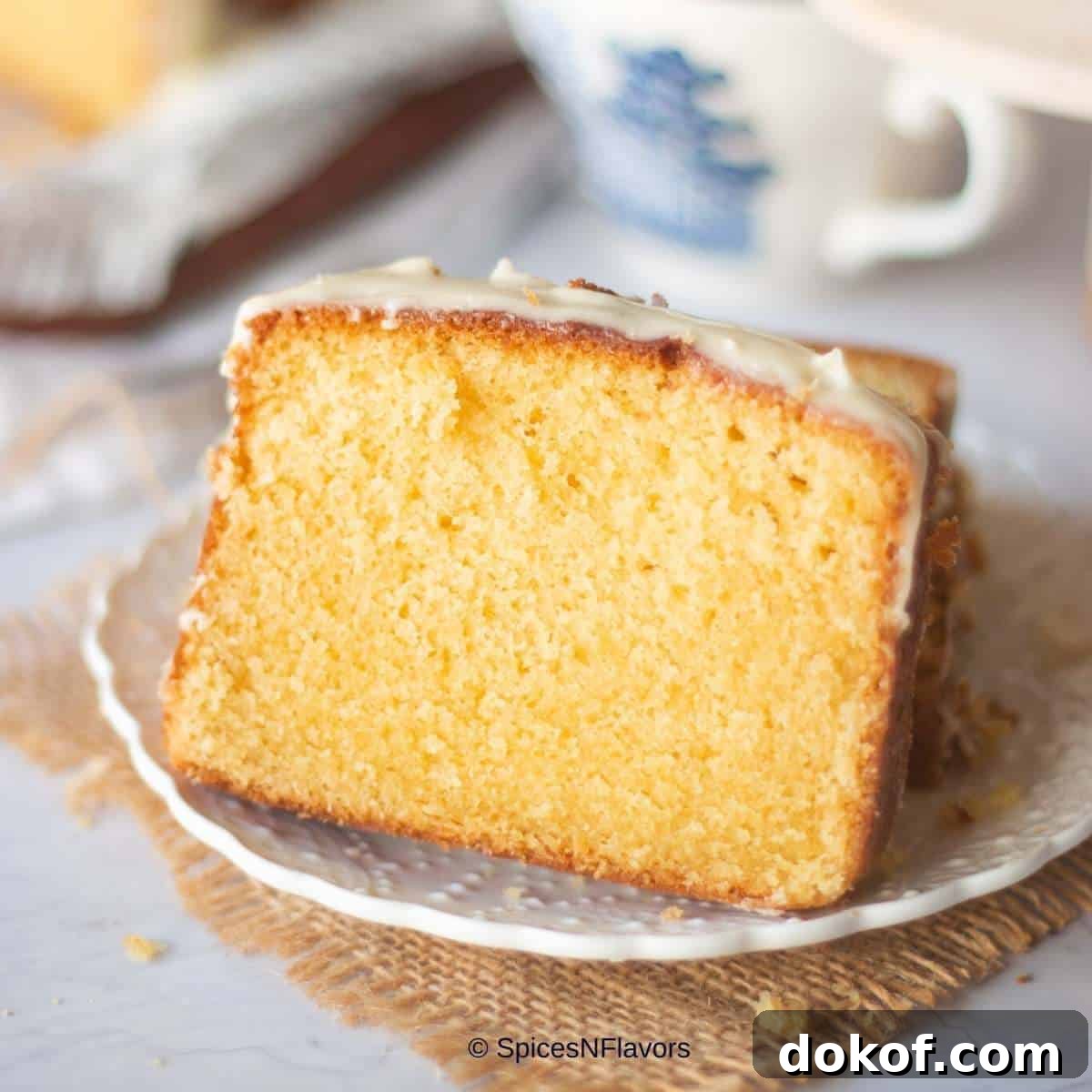
Unlock the secrets of a timeless pound cake that yields tender, buttery crumbs and comforting flavor. This old-fashioned pound cake recipe is simple, reliable, and sure to become a favorite in your baking rotation. Follow the clear, step-by-step instructions below to make a moist, classic loaf every time.
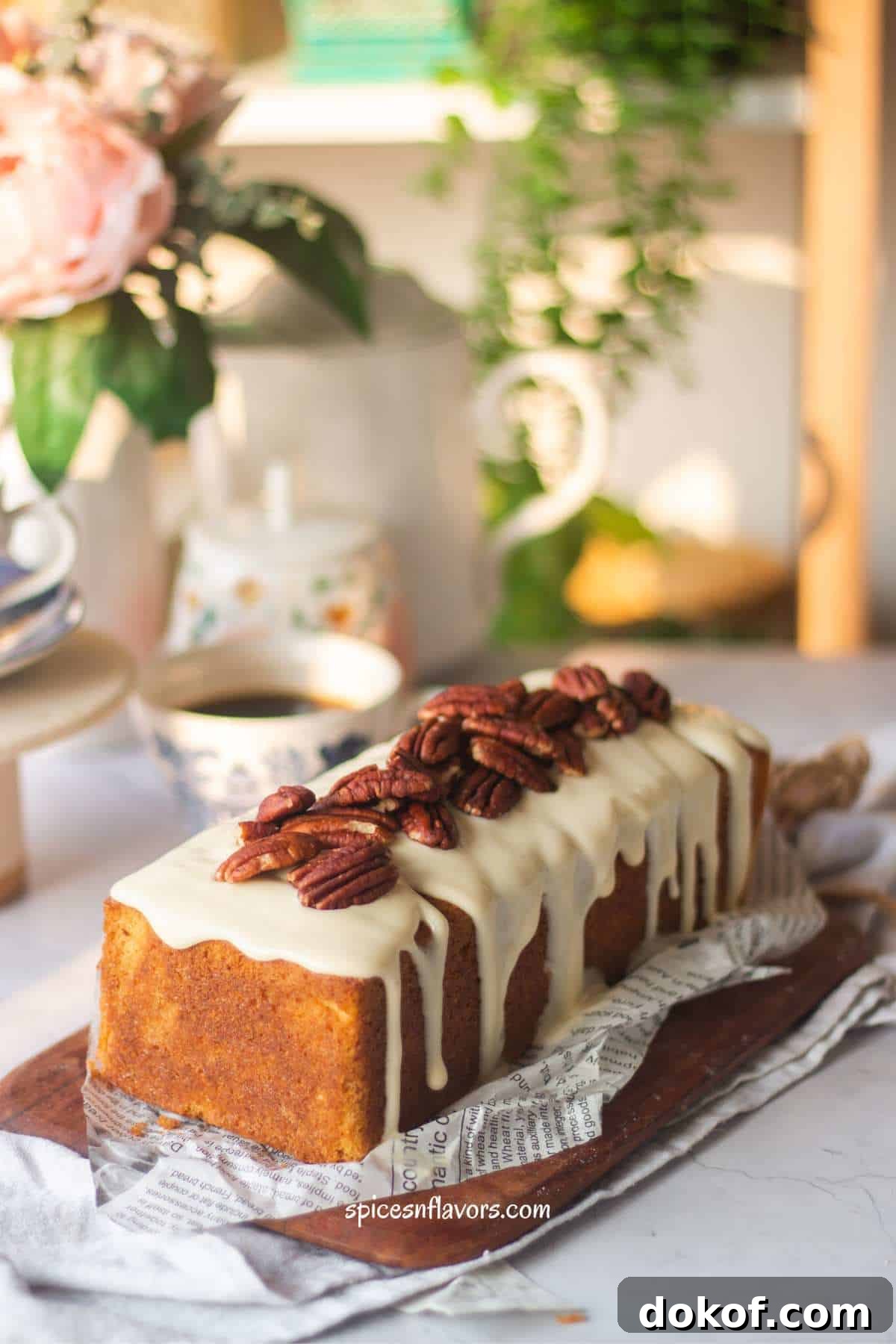
What is Pound Cake?
Pound cake gets its name from the original formulation that used a pound each of flour, sugar, eggs, and butter. The result is a dense, rich cake with a fine, tight crumb and a pronounced buttery taste. While modern versions often vary the proportions or add flavorings, the goal remains the same: a tender, moist cake with classic, comforting flavor.
This recipe keeps the traditional character but includes a couple of small, modern adjustments—milk and baking powder—to gently improve texture and rise while retaining that nostalgic taste.
How this recipe differs from the original
Traditional pound cakes rely solely on eggs for leavening. This recipe adds a little baking powder and milk to ensure a reliable rise and a moister crumb, especially helpful for home bakers. These additions don’t change the classic flavor; they simply make it easier to achieve consistent results.
Ingredients
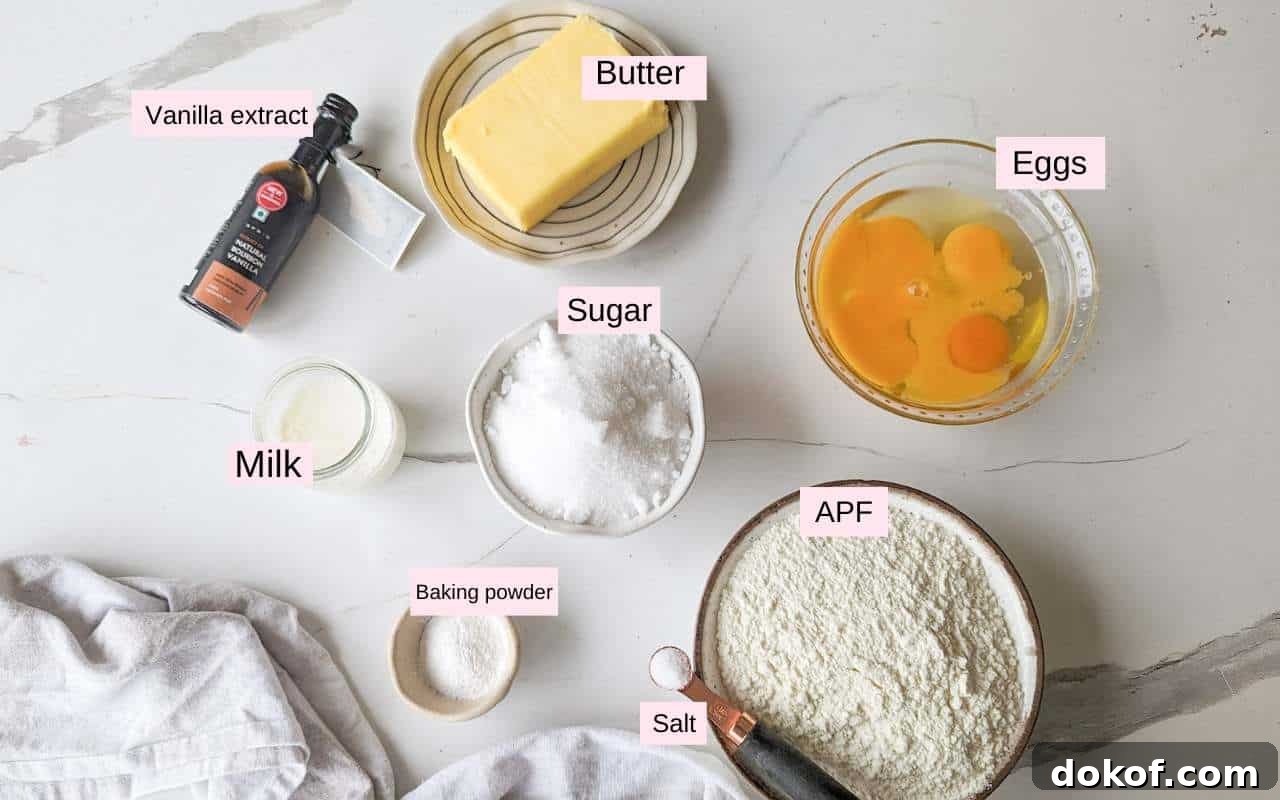
- Flour – All-purpose flour works best here to give the cake the classic, slightly dense texture. Avoid cake flour if you want the traditional pound cake crumb.
- Butter – Unsalted butter is preferred so you can control the salt content. If using salted butter, reduce or omit added salt.
- Milk – A small amount of warm milk keeps the batter moist and helps with texture.
- Leavening – Baking powder gives a consistent rise and makes the recipe more forgiving for home bakers.
- Vanilla extract – Adds flavor and mellows any eggy notes, giving the cake a classic finish.
See the printable recipe card at the end for exact quantities and nutrition information.
Step by Step Instructions:
Prepare the pan and oven
Use a 9 x 5 inch loaf pan for best results. Grease the sides, line the base with parchment paper, and dust the pan lightly with flour. Preheat the oven to 170°C (about 340°F).
Step 1: Combine dry ingredients
- Sift together the flour, baking powder, and salt. Set aside.
Step 2: Cream butter and sugar
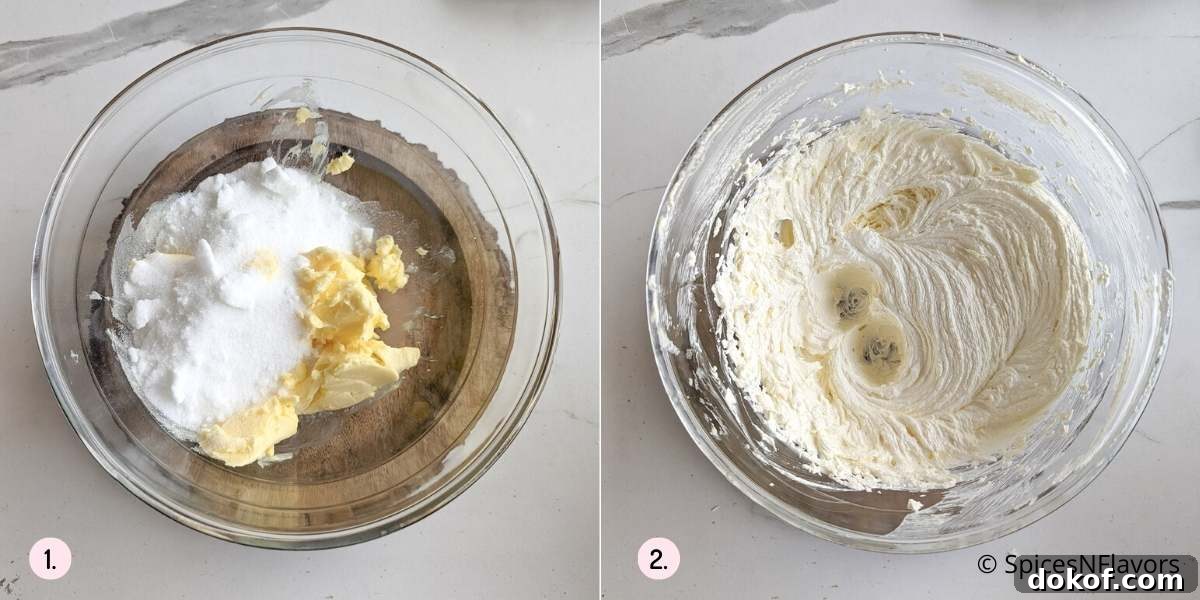
- Cream the softened butter and sugar with an electric mixer for 10–13 minutes until the mixture is pale and fluffy. Use medium speed with a stand mixer and scrape the bowl frequently for an even texture.
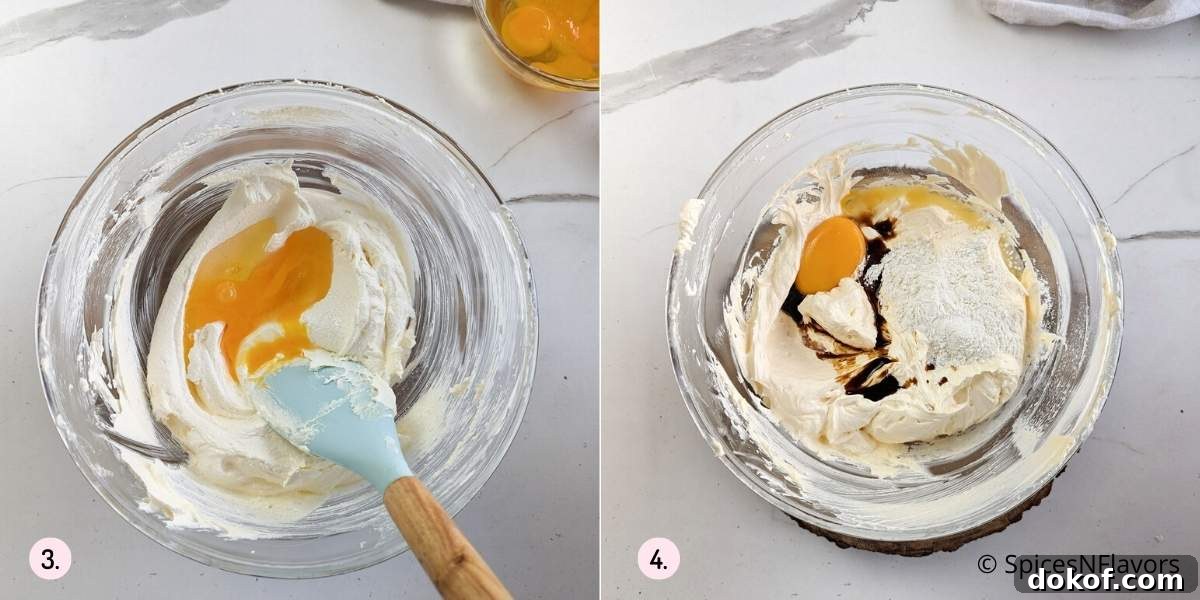
Add eggs gradually: Whisk the eggs in a separate bowl. Add them to the creamed butter and sugar in 4–5 small batches, mixing well after each addition to keep the batter smooth.
Prevent curdling: Add the vanilla and a tablespoon of flour with the last batch of eggs to help stabilize the batter and prevent curdling. Remember to scrape the bowl between additions.
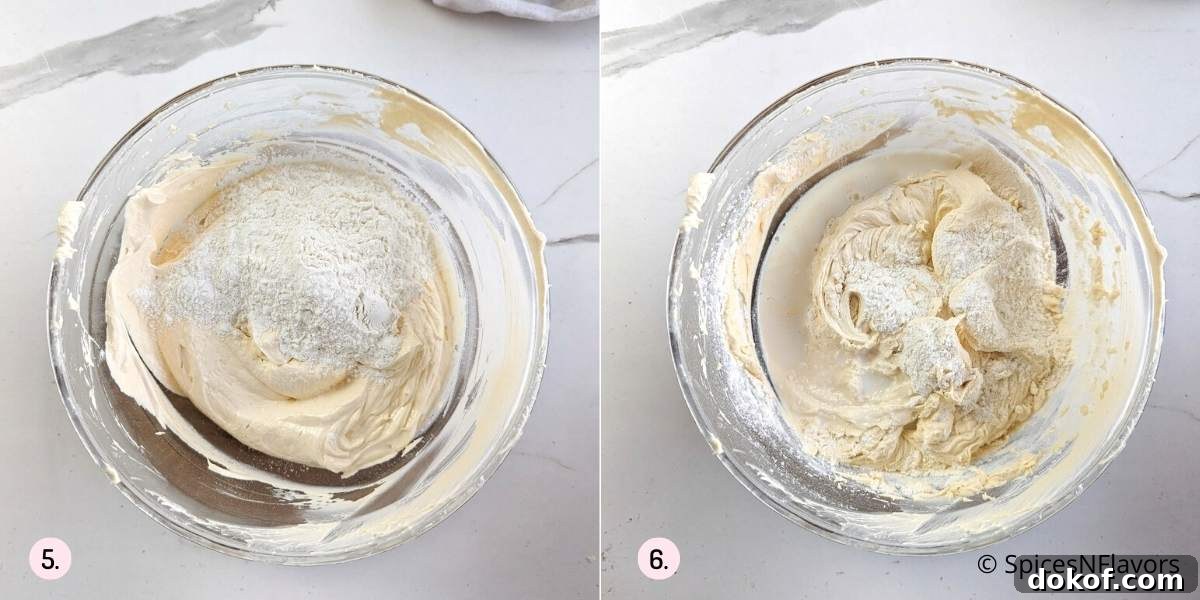
Alternate dry and wet ingredients: Add one-third of the dry mixture and fold gently. Then add half of the warm milk and fold. Continue alternating until all ingredients are incorporated, taking care not to overmix.
Final batter: The batter should be smooth and well combined, not overly loose. Fold gently to retain the air created during creaming.
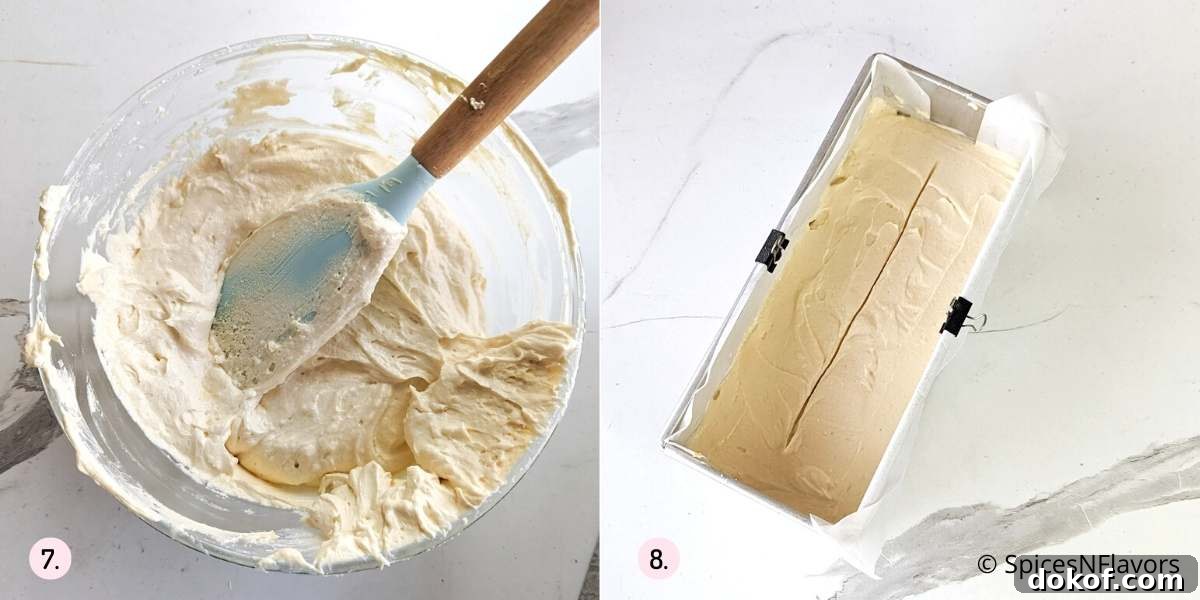
Pour the batter into the prepared loaf pan and gently tap it on the counter to release large air bubbles. Bake in the center of the preheated oven at 170°C for 40–45 minutes, or until a skewer inserted into the center comes out clean.
Cool: Let the cake rest in the pan for 5 minutes, then invert onto a wire rack and cool completely before slicing.
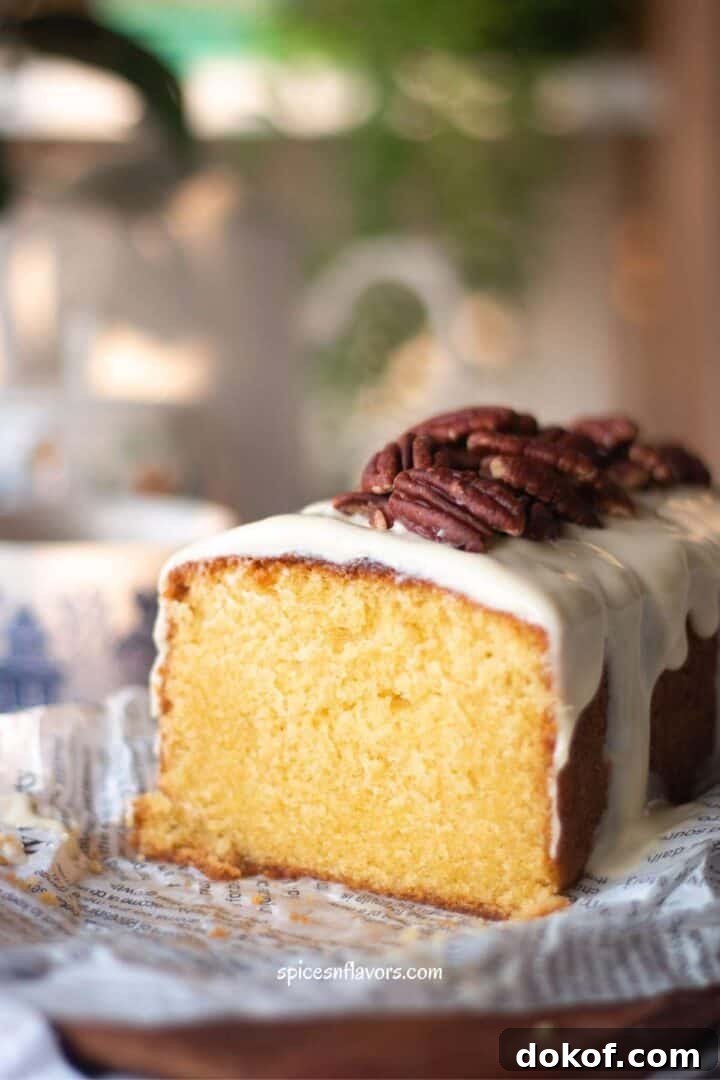
Serve the cake plain or with coffee, or top with a light glaze, cream cheese frosting, or a spoonful of fruit for extra indulgence.
Storage Instructions
To keep the cake moist, wrap it tightly in plastic wrap or store in an airtight container. Exposure to air will dry the crumb.
Storage options:
- Room temperature: Store covered for 1–2 days in an airtight container.
- Refrigerator: For 5–7 days — wrap well and bring to room temperature before serving for best texture.
- Freezer: Freeze slices or the whole loaf up to 2 months. Wrap in plastic wrap and then foil; thaw in the refrigerator overnight.
Avoid strong odors when storing to preserve the cake’s delicate flavor.
What to Serve with Pound Cake?
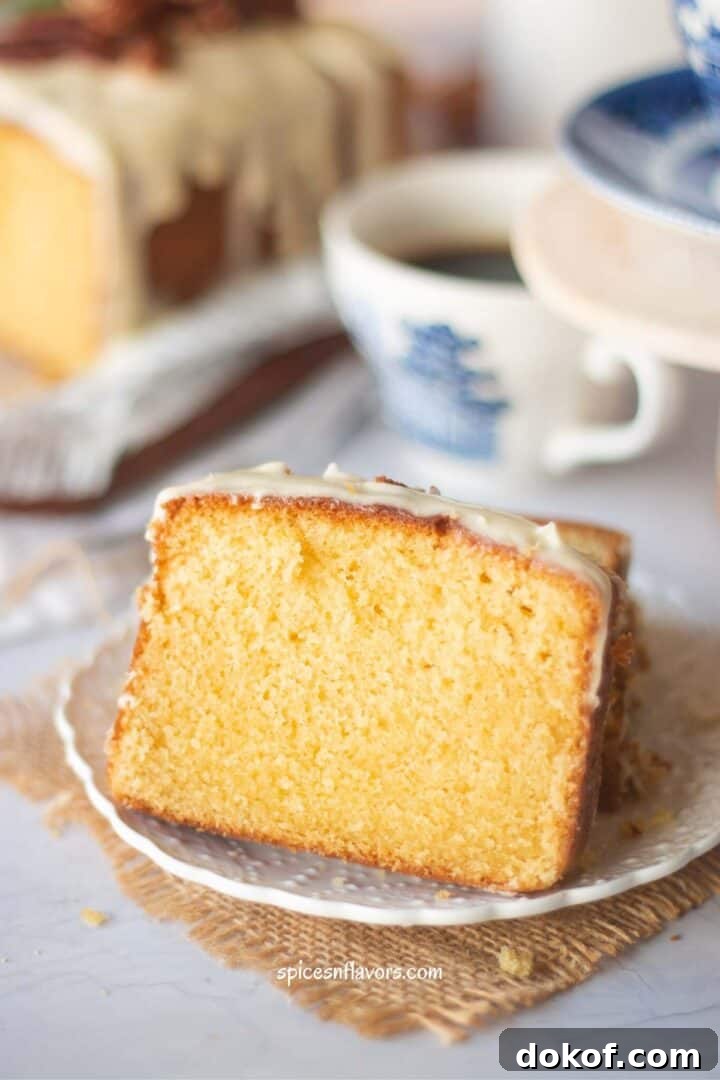
This old-fashioned pound cake pairs beautifully with fresh berries, whipped cream, or a scoop of vanilla ice cream. For a brighter note, drizzle a simple lemon glaze or lemon curd. Chocolate sauce, caramel, or a creamy mascarpone side also complement the buttery crumb. A hot cup of coffee or tea is a classic match.
Which Pan to Use?
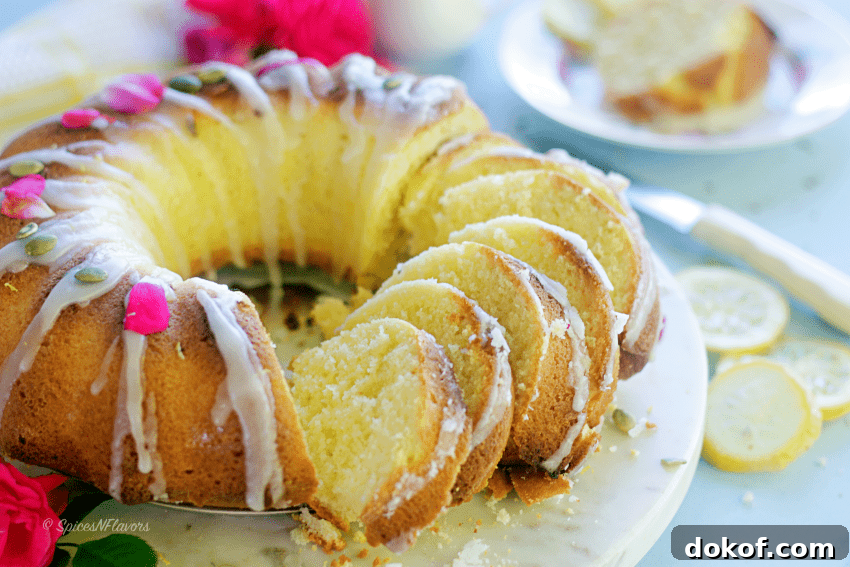
A 9 x 5 inch loaf pan is the ideal choice for even baking and the classic shape. Round or square pans work too, and a bundt pan gives an attractive, decorative crust. Tube pans are better suited for very light cakes; for dense pound cakes a bundt pan is preferable if you want a decorative finish.
Tips and Tricks
- Start with basics: Preheat the oven, prepare the pan, use room-temperature ingredients, and sift dry ingredients for a smooth batter.
- Cream well: Properly creaming butter and sugar traps air that helps lighten the cake’s texture.
- Add eggs gradually: Incorporate eggs in small batches to prevent the batter from breaking.
- Avoid overmixing: Fold gently when adding dry ingredients to maintain a tender crumb.
- Bake in the center: Position the loaf in the center of the oven for even heat distribution.
- Cool before slicing: Allow the cake to cool on a rack to finish setting and to make clean slices.
Frequently Asked Questions
Overbaking is the most common cause. Check for doneness with a skewer and avoid baking past the recommended time. Accurate measuring and correct oven temperature also matter.
You can, but cake flour will produce a lighter, more tender crumb. For a traditional dense pound cake, stick with all-purpose flour.
Related Recipes
- Cream Cheese Glaze for Pound Cakes
- Blueberry Pound Cake
- Vegan Banana Bread
Note: The full printable recipe, ingredient measurements, nutrition information, and step-by-step instructions are included in the recipe card below for easy reference. This recipe was originally published in 2017 and updated with improved photos and clearer instructions.